


Pakistan, IFC discuss how to strengthen strategic cooperation
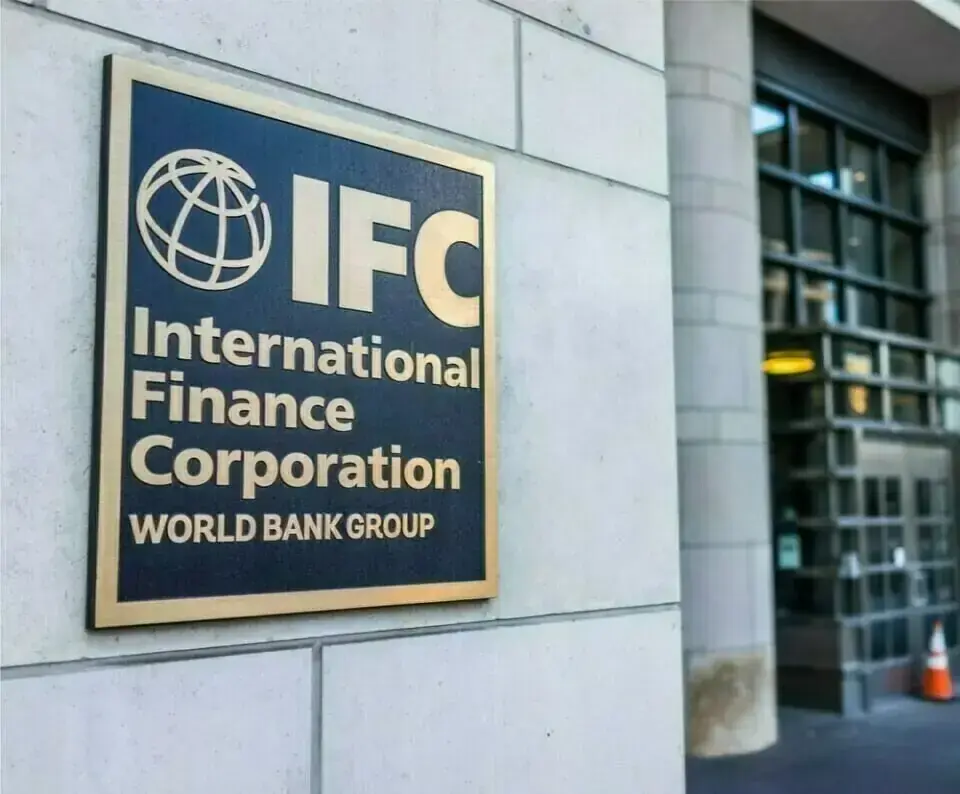

ISLAMABAD: Federal Minister for Finance and Revenue Senator Muhammad Aurangzeb met Thursday at the Finance Division with a delegation of the International Finance Corporation (IFC) led by Khawaja Aftab Ahmed, Director Middle East, Pakistan and Afghanistan, accompanied by Naz Khan, Acting Country Manager for IFC Pakistan.
The meeting focused on strengthening strategic cooperation between Pakistan and IFC, with an emphasis on mobilizing private investment, advancing public-private partnerships, and supporting reforms that promote sustainable growth and job creation.
The IFC delegation briefed the Minister on its expanding engagement in Pakistan across investment and advisory operations, highlighting recent progress in local-currency financing, private sector investments, and sustainability-oriented advisory initiatives.
Particular emphasis was placed on IFC’s growing role in supporting public-private partnership frameworks, including engagements aimed at improving urban services, resource efficiency, and infrastructure performance through private sector participation and modern technology.
Discussions also covered ongoing collaboration with federal and provincial institutions to enhance project preparation, strengthen governance, and attract private capital in key service delivery sectors.
Both sides underscored the importance of timely execution of approved transactions and maintaining momentum in the investment pipeline to reinforce market confidence.
The meeting further reviewed the importance of close coordination within the World Bank Group to leverage advisory, financing, and risk-mitigation instruments in support of Pakistan’s reform priorities.
The IFC delegation shared updates on organizational arrangements intended to further strengthen engagement with Pakistan and the wider region, which were welcomed by the Minister.
Senator Aurangzeb outlined the government’s strategic focus on creating enabling ecosystems rather than direct intervention, particularly in areas with strong potential for employment generation and foreign exchange earnings. These include the digital and IT economy, agriculture and agri-value chains, minerals and mining, healthcare and skills-based human capital exports.
He emphasized that technology adoption, regulatory strengthening, and private sector leadership are central to improving productivity and competitiveness across these sectors.
Both sides agreed on the need to align investment and advisory support with Pakistan’s medium-term development priorities, with a clear focus on job creation, sustainability, and export-oriented growth.
Copyright Business Recorder, 2025

























Comments
Comments are closed for this article.