


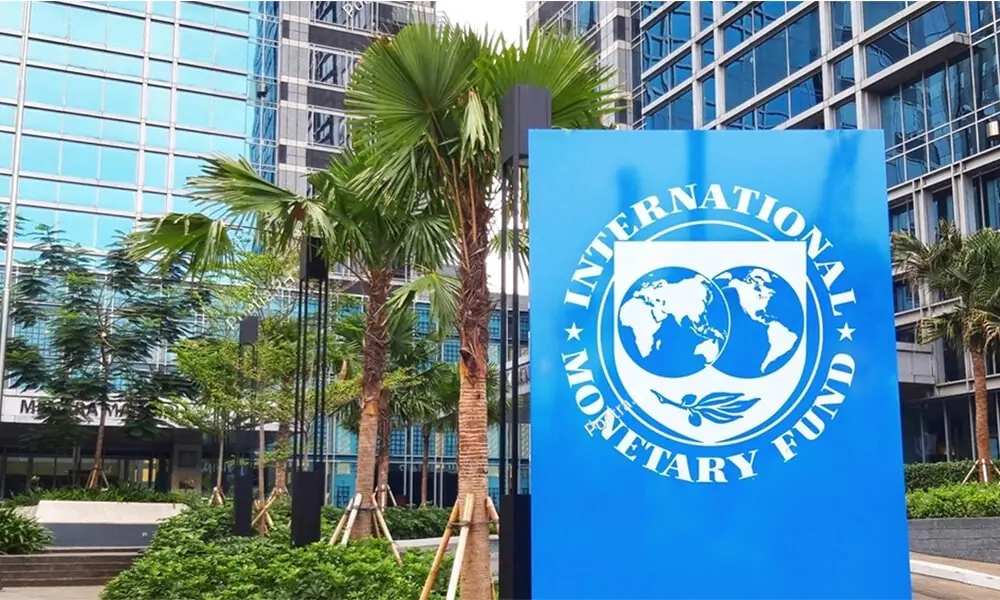
EDITORIAL: The IMF Executive Board has completed the second review of Pakistan’s Extended Fund Facility, approving the release of about US$1.2 billion, including US$200 million under the Resilience and Sustainability Facility. The Fund’s praise for “strong fiscal performance” rests almost entirely on the achievement of a primary surplus. On the broader economic cost of that austerity—an increasingly throttled formal sector burdened by confiscatory tax rates—it has little to say.
Governance, too, receives only cursory attention. The publication of a corruption diagnostic report earns a polite mention, without binding conditions to stop the bleeding estimated by the Fund itself at 6.5 percent of GDP. State-owned enterprises’ reform and privatisation merit another line, but little more.
The programme’s fixation on headline metrics persists. Meeting revenue targets matters more than broadening the tax base or curbing wasteful expenditure. An agricultural income tax, once part of the conditionality, has quietly disappeared. The retail and real estate sectors, perpetually under-taxed, remain untouched.
The energy sector continues to haemorrhage. Circular debt is to be contained within “acceptable” limits, a target achieved solely through successive tariff hikes. The IMF’s full-cost recovery approach has not raised efficiency; it has merely shifted the burden to consumers and worsened the gas sector’s arrears.
The pattern is well-rehearsed. As long as fiscal and monetary policies remain tight, Washington’s tone softens. A revenue shortfall of roughly Rs500 billion is expected in the first half of FY26, yet additional tax measures are unlikely to be demanded. Structural reforms move at a crawl, with little external insistence on pace or direction.
The numbers will add up; the economy may not. Poverty is rising; investment remains anaemic, and capital—financial and human alike—continues to depart. The Fund’s faith in fiscal arithmetic persists even as the real economy erodes beneath it. The IMF’s spreadsheets balance neatly. It is Pakistan’s economic equation that remains unsolved.
Copyright Business Recorder, 2025




















Comments
Comments are closed for this article.