


China, HK stocks end lower as Politburo meeting dims stimulus hopes
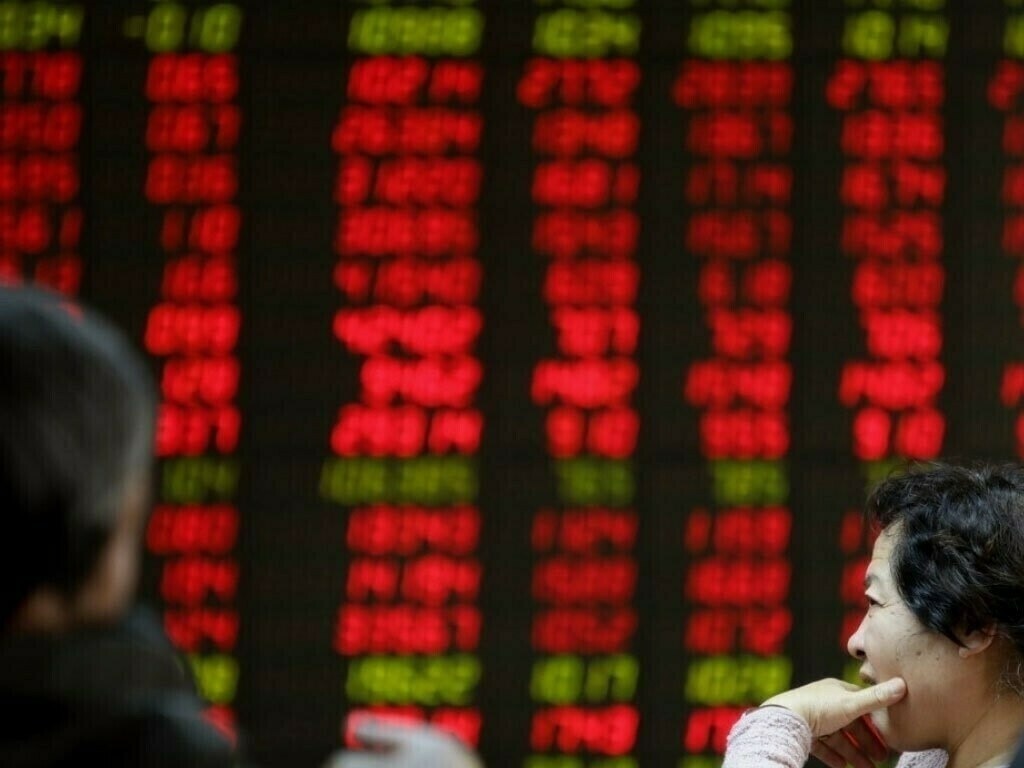

SHANGHAI: China and Hong Kong stocks ended lower on Tuesday as a top Chinese leadership meeting led investors to scale back expectations of near-term stimulus, despite mounting trade tensions and ongoing property sector troubles.
The China’s blue-chip CSI300 Index dropped 0.5 percent while the Shanghai Composite Index ended 0.4 percent lower. Hong Kong’s benchmark Hang Seng Index lost 0.8 percent to its lowest level in two weeks.
China will keep expanding domestic demand and support the broader economy with more proactive policies in 2026, the Politburo, a top decision-making body of the ruling Communist Party, was cited as saying on Monday by state media Xinhua.
Analysts say the most notable change is that top leaders mentioned “cross-cyclical adjustment” for the first time since 2023, compared with “extraordinary counter-cyclical adjustment” last year.
The Politburo meeting “confirms that policymakers are happy with the current situation and feel no urgency to step up stimulus,” Macquarie economist Larry Hu said in a report. “They feel no need to change after a better-than-expected 2025,” when exports were resilient despite the trade war.
China’s trade surplus topped USD1 trillion for the first time in November as manufacturers seeking to avoid US President Donald Trump’s tariffs shipped more to non-US markets, with exports to Europe, Australia and Southeast Asia surging.
“The rising trade imbalance with Europe will trigger rounds of trade tensions which have so far been underestimated by markets,” said Lu Ting, chief China economist at Nomura.
Meanwhile, the market is lowering expectations for policies to support China’s declining property sector “as Beijing is yet to find more effective solutions that can be executed decisively to address the root causes of the property collapse since 2021.” ** Property, commodity and consumption-related stocks led the decline in China.
Shares of Vanke, which is seeking to delay payments on two onshore bonds, fell nearly 3 percent in Shenzhen and tumbled 3.5 percent in Hong Kong to a record low.
Chipmakers fell after the US government said it would allow Nvidia to export its H200 artificial intelligence chips to China.
In Hong Kong, tech and energy sectors were among the biggest losers.




















Comments
Comments are closed for this article.