


BR RESEARCH: Gas sales projections could spell trouble
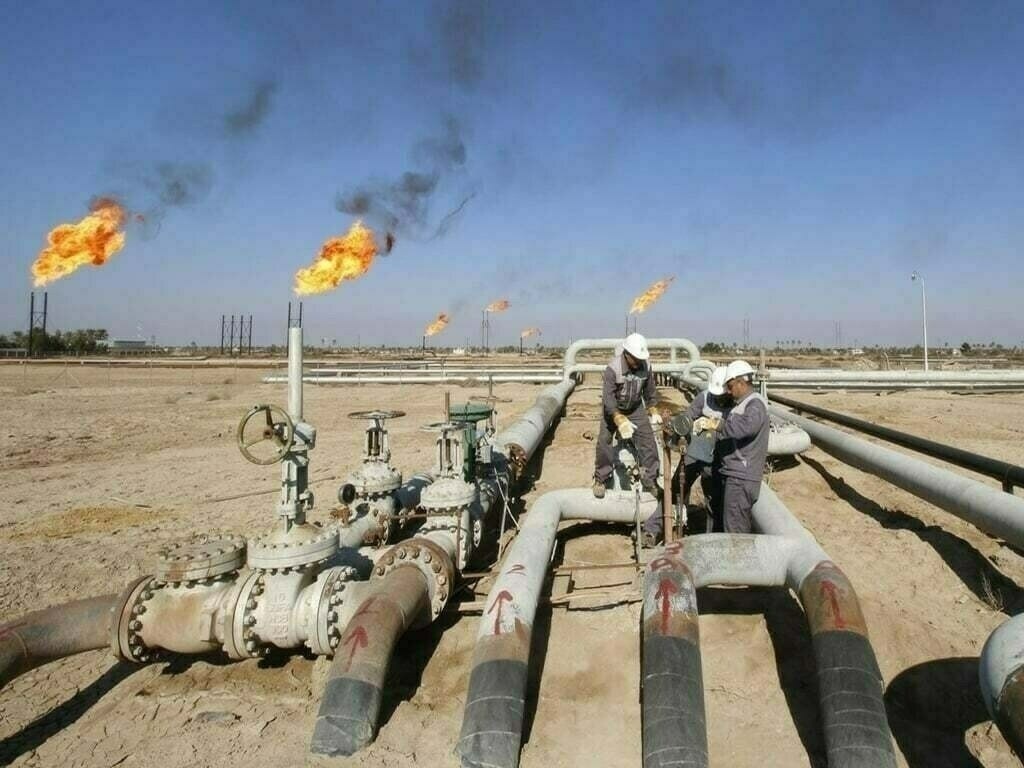
Last week, the Oil and Gas Regulatory Authority (OGRA) issued its determinations on the review petitions filed by gas distribution companies for their FY26 revenue requirements. Usually, this is a sedate affair, and given that the adjustments allowed for both companies in their estimated revenue requirement for the ongoing fiscal year are not substantial, the development went largely unnoticed.
The review petitions were filed by SSGC and SNGPL in view of changes in the projected cost of gas, international commodity prices, rupee–dollar parity, and, most importantly, revised projections of gas sales volume. All operational adjustments aside, the key element is the change in projected sales volumes across consumption slabs, which forms the basis for required revenue generation for both companies.
This is where things get interesting. Both SSGC and SNGPL have incorporated two months of actual sales data (July and August 2025) and revised the remaining ten months based on the actual sales mix of FY25. At first glance, this appears perfectly reasonable because what difference would one year make in volume projections? It turns out, quite a lot, especially when there has been a near seismic shift in the policy for gas allocation to industrial captive users.
While the total volumes sought in the petitions and those allowed by the regulator differ by only single digit percentages, it is the composition within those volumes that may distort the revenue equation deeper into FY26.
The domestic sector’s gas sales volumes allowed by OGRA vary only between 1 and 2 percent from what was petitioned. However, the distribution across consumption slabs is where trouble may emerge.
SNGPL requested that 43 percent of its domestic sales be treated as protected category consumption, but the regulator approved only 33 percent. The difference is even more pronounced for SSGC, which sought to classify 49 percent of its 87,213 BBTU domestic gas volume under the protected category. OGRA allowed only 32 percent. The two lowest slabs, at 0.25 and 0.5 cubic meters, show the largest deviations at 46 percent and 40 percent respectively.
SSGC maintains that the sales mix in the domestic sector has rapidly shifted owing to increased prices, with more consumers now falling into the lower protected slabs. But the regulator is not convinced. Importantly, two months of actual data were included in the petitioned volumes, which indicates that the allowed revenue may fall well short. The difference in average prescribed prices between protected and non protected categories alone could result in a shortfall in excess of Rs100 billion, especially considering that domestic sector revenues make up nearly 40 percent of the combined revenues for the two utilities.
There is also a nearly fourfold discrepancy in the power sector sales volume projection for SSGC. The regulator has allowed around 20,000 BBTU, compared to just 5,080 BBTU requested in the petition. Actual gas based power generation in the first four months of FY26 is virtually unchanged from a year ago, and it is difficult to foresee a substantial increase in gas use by power plants for the rest of the year, given ongoing operational and technical constraints as well as demand management. Meanwhile, captive power has been assigned a 13 percent share in SSGC’s gas consumption, which appears on the higher side given the recent policy rollback.
The disconnect between key ministries in the energy sector could not be more apparent than in the allowed gas sales figures. Inaccurate projections have repeatedly weighed on electricity and gas prices over the years, with year end shortfalls reaching alarming levels. There have even been instances where pending adjustments exceeded the entire year’s revenue requirement, largely due to assumptions that were divorced from reality.
One hopes the authorities are keeping a close eye on what could again become a year of substantial revenue shortfalls for both SSGC and SNGPL, with the entire energy chain subsequently feeling the impact through mounting circular debt.




















Comments
Comments are closed for this article.