


Apparel export sector: PHMA highlights progress in implementation of GSP+ requirements
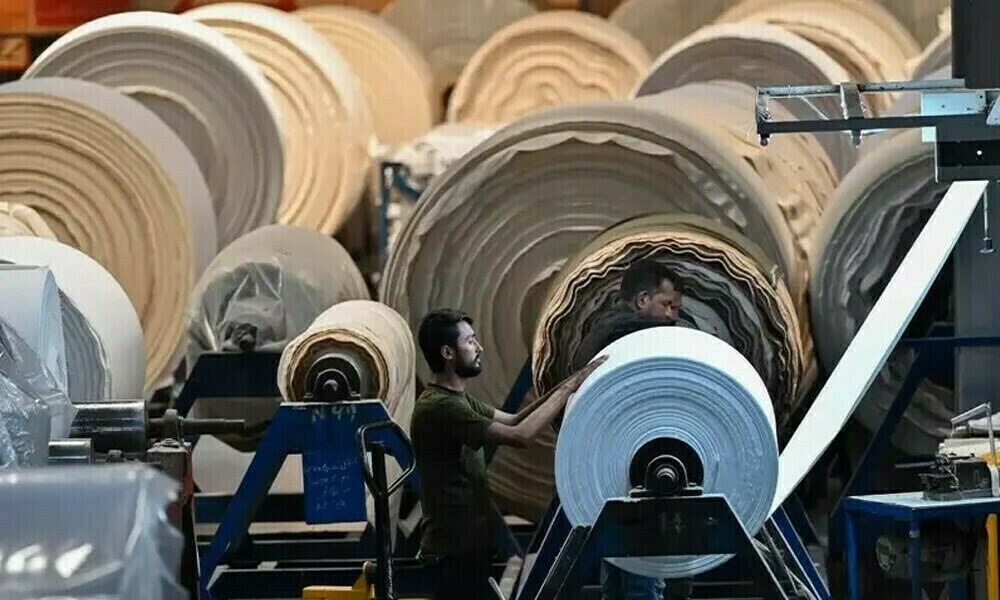

LAHORE: The Pakistan Hosiery Manufacturers & Exporters Association (PHMA) on Monday highlighted the ongoing progress of the country’s organised apparel export sector in implementing GSP Plus requirements and adhering to International Labour Organisation (ILO) conventions.
Zonal Chairman Abdul Hameed emphasized that the value-added hosiery and knitwear industry has taken significant steps to meet international labor, social, and workplace standards, while continuing efforts to address remaining challenges.
Abdul Hameed noted that the organised apparel industry has maintained global certifications and compliance measures, ensuring freedom of association, collective bargaining rights, workplace safety, and fair wages. Many factories follow internationally recognized standards such as WRAP and BSCI, reflecting Pakistan’s commitment to responsible and competitive exports. “The sector has made meaningful progress and continues to enhance its compliance framework, even as areas for improvement remain,” Abdul Hameed said.
The association pointed out that most compliance gaps, if any, occur in the unorganised or informal sector, which lies outside the control of formal exporters. “It is the government’s responsibility to monitor and enforce standards in these segments. Our organised exporters cannot be held accountable for structural challenges beyond their control,” Hameed explained.
PHMA also underscored the sector’s significant role in supporting economic growth and foreign-exchange earnings. Through active engagement with the government, the association has requested policy reforms, incentives, and structural support to strengthen competitiveness and sustain Pakistan’s export advantages. Hameed emphasized, “Our value-added apparel industry employs hundreds of thousands, drives exports, and continues to expand. Maintaining compliance without overburdening exporters is critical to supporting sustainable growth.”
Responding to concerns about GSP+ compliance, PHMA stressed that the organised export sector is actively working to meet all relevant requirements. Abdul Hameed said, “While no system is perfect, our sector has implemented many standards and continues to improve. Ongoing efforts ensure that Pakistan remains aligned with international labor and trade norms.”
The association called for a balanced and evidence-based approach from monitoring missions and international stakeholders. PHMA urged observers to engage directly with exporters, worker representatives, and industry bodies to understand the compliance framework in practice, rather than relying on generalized or unverified reports.
“Collaboration and focused support are key to addressing gaps effectively, rather than penalizing the sector for issues outside its control,” Hameed added.
PHMA urged the government to present a transparent and unified case to international partners, demonstrating the progress already achieved by the value-added hosiery and knitwear sector. The association argued that this approach is essential to protect Pakistan’s trade advantages, safeguard employment in the export-oriented apparel sector, and continue improving compliance with GSP Plus and ILO standards.
Copyright Business Recorder, 2025




















Comments
Comments are closed for this article.