


World Fisheries Day: country’s marine fisheries sector faces ecological and economic crisis
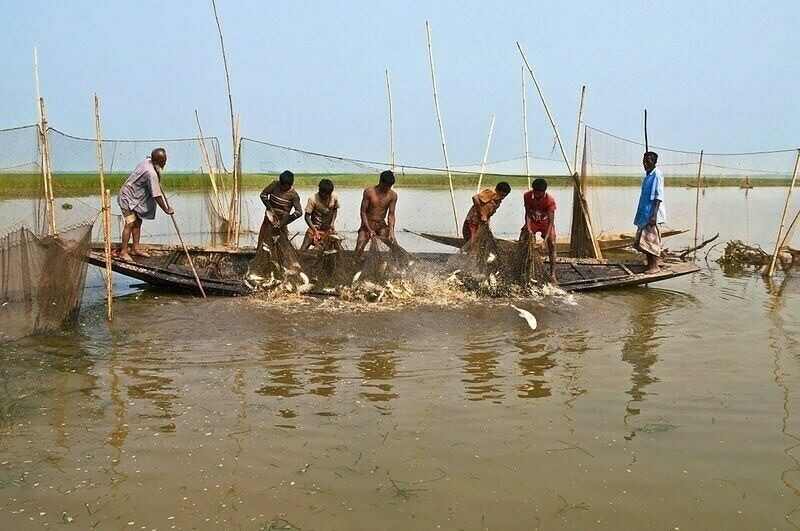

KARACHI: As the world marks World Fisheries Day on November 21, the spotlight falls squarely on the escalating crisis facing Pakistan’s marine fisheries resources, which are now heavily overfished and overexploited, WWF-Pakistan said on Thursday.
Stagnant and in many cases declining, it showed concerns, fish landings have become a clear indicator of mounting pressure on coastal and offshore stocks.
World Fisheries Day, observed globally on 21 November every year, serves as a stark reminder of the mounting threats facing marine ecosystems. Beyond celebrating the value of fisheries, this day underscores the urgent need for sustainable resource management, the protection of small-scale fishing communities’ rights, the improvement of working conditions, and the elimination of illegal, unreported, and unregulated fishing.
It calls attention to a reality we can no longer ignore: the world’s fisheries are under overwhelming pressure, and immediate action is critical.
It is now well-known that more than two-thirds of the world’s fisheries have been overfished or are fully harvested, and more than one-third are in a state of decline because of factors such as the loss of essential fish habitats, pollution, and climate change.
The situation in Pakistan is no different, as most of the fish stocks in coastal and offshore waters are now overexploited. This is evident from the stagnancy in fish landings, which are not static but rather declining.
Major post-harvest losses, high bycatch of endangered and threatened species such as cetaceans, turtles, and other megafauna, along with the uncontrolled increase in the fishing fleet, have significantly threatened marine biodiversity.
WWF-Pakistan, the country’s largest conservation organization, considers fisheries an important sector of the national economy, supporting around one million fishermen and those involved in ancillary industries.
Since its inception, the organisation has implemented numerous projects aimed at uplifting the socio-economic conditions of coastal communities, mitigating the impact of fishing on biodiversity, reducing bycatch, and promoting sustainable practices.
“World Fisheries Day reminds us of the urgent need to protect our natural habitats and the diverse fauna and flora that are under serious threat due to unsustainable practices and the uncontrolled increase in the fishing fleet,” said Muhammad Moazzam Khan, Technical Advisor at WWF-Pakistan.
“While several policies and strategies are being developed to improve Pakistan’s fisheries sector, WWF-Pakistan believes that a five-pronged strategy must be implemented immediately.
This includes reducing the fishing fleet, improving on-board post-harvest handling in multiday fisheries, establishing shrimp farming clusters along the Sindh and Balochistan coasts, initiating exploratory fishing to sustainably utilize unexploited resources, and diversifying seafood products.
Together, these measures can increase production, boost exports, and significantly improve the socio-economic conditions of coastal fishing communities.”
Implementation of the strategy will enhance seafood production and export, which is necessary for the improvement of the socio-economic conditions of the coastal communities living along the 1,001km long Pakistan coast.
Protection of the fragile ecosystem of coastal and offshore waters is essentially required as some of the harmful practices are posing an extreme threat to the highly diversified biodiversity of the northern Arabian Sea.
Copyright Business Recorder, 2025


























Comments
Comments are closed for this article.