


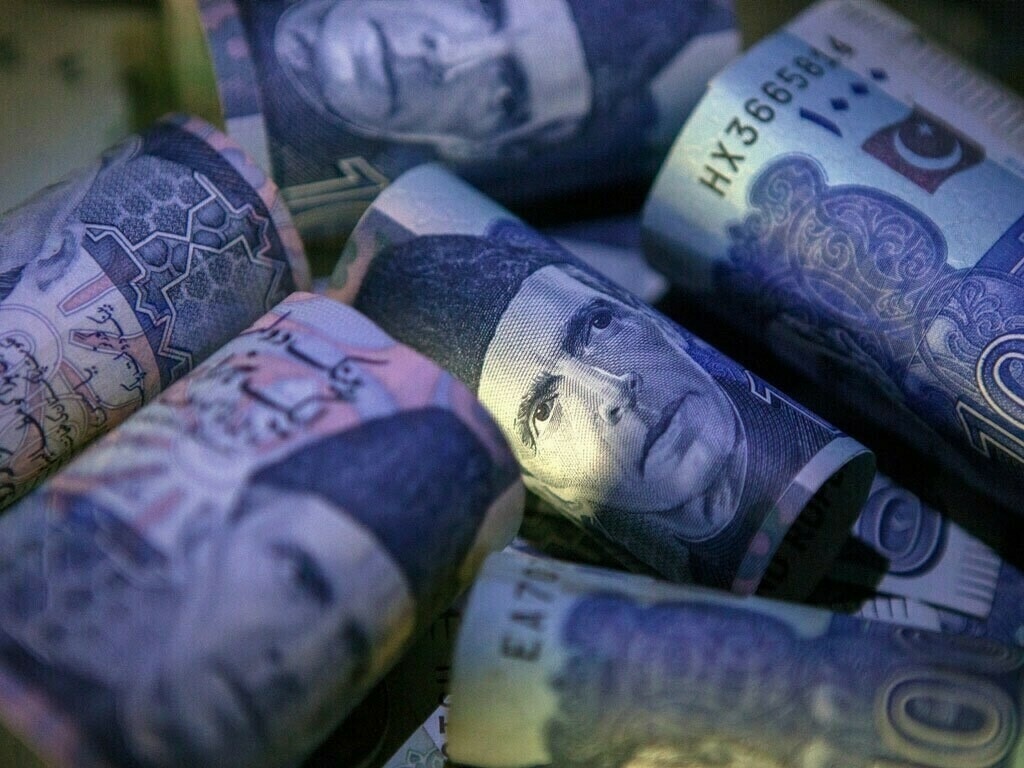

There is calm in the currency market. It is slowly appreciating. BR Research spoke to four treasury houses, and everyone echoed that the flows are better in the interbank market and that SBP is buying. Commodity prices are on the lower side, helping stabilize the currency market. However, there is ongoing payment pressure amid the REER crossing 104; everyone believes that SBP will keep the policy rate unchanged in the upcoming review.
Seeing the currency appreciation, exporters keep selling dollars in forward contracts and making money. Although exporters desire a modest depreciation in the currency to improve thinning margins, they don't anticipate it; hence, they are selling in the forward market.
Importers are following similar strategies, and some have started taking short-term foreign currency loans, as they don't anticipate any depreciation in the coming months.
The current account deficit is so far manageable, and there is enough liquidity in the interbank market, which is being absorbed by SBP and used to service government debt. On average, SBP is paying $400-500 million per month in debt service (the interest component is a component of the current account). The market is functioning fine, but there is no growth in forex reserves.
Some treasury officers fear that liquidity may dry up by January, as exporters are selling more in the forward market, leading to lower dollar inflows. Plus, imports are picking up, too, which will increase the payment pressure. In recent months, the PBS (shipment-based) and SBP (payment-based) import gap has been widening, and that will converge sooner or later.
However, there will be buffers, as remittances inflows would jump from current levels during February to May due to seasonal factors. The flows are likely to remain upbeat till Bakra Eid. Overall, remittances are doing fine on a high base.
There is no significant difference in inflows with reduced PRI incentives. Banks are no longer offering premiums on remittance flows, which helps stabilize the currency rate, and smaller banks (who were not offering premiums) have better flows to manage their growing import payments.
The key is a crackdown on hundi/hawala to keep remittances in the formal market. People must send remittances, and marginal informal senders have moved to formal exchange companies. The margins of sender-country companies are squeezed, but they still make money.
Thus, remittances' upbeat momentum is expected to continue. Market pressure could come in the last quarter of the fiscal year. Once seasonal flows normalize and external debt payment pressure builds ($1 billion Euro Bond payment is due in April) in the last quarter, especially in May and June.
That is a time when currency can marginally depreciate. Treasury officers think the currency should depreciate by 2-5 percent to boost exports, reduce import pressure, and prevent the REER from rising further. However, given the ground realities, they expect PKR/USD to hover around 280 over the next few months, and the jury is split on fiscal-year-end levels – some think it will be around 280, while others see it likely to slip to 285-290 in June.




















Comments
Comments are closed for this article.