


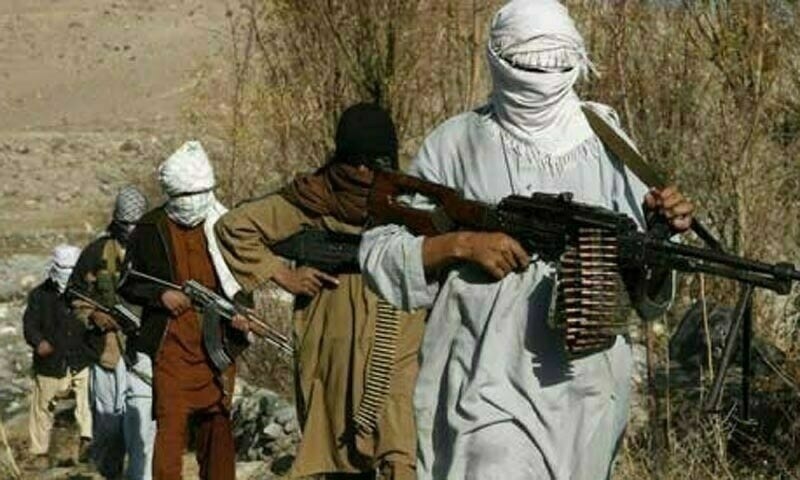
EDITORIAL: Militant violence has once again reached into spaces the state considered secure after successive military operations of the last decade, and this must force a hard reassessment of Pakistan’s counterterrorism posture. The latest attacks, coupled with Pakistan’s warning at the UN Security Council about the flow of modern weapons to groups like the TTP and BLA from Afghan territory, point to a threat that is growing in capability and ambition. The state’s response must therefore begin where its vulnerability is most visible: the home front.
Pakistan’s representative to the UN was explicit. Weapons seized at the border are being traced to stockpiles abandoned in Afghanistan and to arms circulating freely in black markets there. These tools of violence are not relics of past conflict but sophisticated systems now serving groups that operate with impunity and have repeatedly targeted civilians and law-enforcement personnel inside Pakistan. This warning carries weight, yet external advocacy can only reinforce a case that must be backed by credible domestic action.
The fact that militants were able to strike in the federal capital and attempt another assault in the south tells a clear story. A threat once pushed to the peripheries has re-entered the national centre. This is not simply a failure of border management but a failure of internal readiness. Intelligence gaps, weak urban security protocols, and fragmented counterterrorism arrangements have created openings that hostile actors are exploiting. Until these weaknesses are acknowledged and addressed, Pakistan’s appeals to the international community will remain incomplete.
The first requirement is to restore confidence in the state’s ability to protect its own citizens. A national strategy cannot rely on episodic operations or reactive measures. It must integrate civilian law enforcement, intelligence agencies, and local administration into a coherent framework capable of preventing attacks rather than merely responding to them.
At the same time, the state recognises that terrorism inside Pakistan is being shaped by developments across the border. As Pakistan noted at the UN, groups like TTP, BLA and ISIL-K continue to derive strength from access to weapons and safe spaces in Afghanistan. This reality does not absolve Pakistan of its domestic responsibilities, but it does demand sustained diplomatic engagement and firm communication with Kabul. The commitments made by the Afghan authorities to prevent their soil from being used for cross-border terrorism must remain central to Pakistan’s foreign policy. This has become a thorny sticking point lately, but that only means Islamabad must continue to lean strongly on the Afghan Taliban to deliver on their promise.
The global context reinforces this urgency. UN officials briefing the Security Council highlighted the proliferation of more than one billion firearms worldwide and the rising role of illicitly manufactured weapons, including those produced with new technologies. Pakistan is directly exposed to these trends. When sophisticated arms slip into the hands of non-state actors, the cost is paid by ordinary citizens and law-enforcement personnel.
Yet a national response cannot depend on the security services alone. Effective counterterrorism requires political steadiness and institutional unity. The divisions that often emerge in moments of crisis weaken the state’s capacity to act decisively. The lesson from previous cycles of violence is clear. When political actors resort to mutual recrimination or try to weaponise security for partisan advantage, the only beneficiaries are the groups seeking to destabilise Pakistan.
The country has entered a phase where internal security and external diplomacy can no longer be separated. Pakistan has raised legitimate concerns at the UN. It has identified the sources of weapons, named the groups using them, and highlighted the risk they pose to regional stability. The next step is to demonstrate the same clarity and resolve at home. That means upgrading intelligence, stabilising law enforcement, protecting civilian spaces, and ensuring that the state speaks with one voice. Anything less will leave the state reacting to events rather than shaping them.
Copyright Business Recorder, 2025


























Comments
Comments are closed for this article.