



“To put the world in order, we must first put the nation in order; to put the nation in order, we must first cultivate our family; to cultivate our family, we must first cultivate ourselves.” — Confucius, The Great Learning
China’s modern transformation cannot be understood without revisiting its civilizational foundations — a heritage of harmony, moral restraint, and self-cultivation that has guided its statecraft for more than five millennia.
Unlike the expansionist powers that defined much of world history, China’s rise was shaped not by conquest but by conscience. It built walls to protect, not to dominate; it refined its governance rather than subjugating others. Its dynasties prized stability over aggression, and its influence radiated through culture, learning, and diplomacy rather than through force.
That sense of moral responsibility still anchors China’s modern policy. “The United States has three centuries and no burden of memory; China has five millennia and the full weight of civilization,” a Beijing historian once observed. This weight of memory continues to guide decision-makers in Beijing, reminding them that true legitimacy comes not from power but from the welfare of the people. The Chinese concept of statecraft, rooted in Confucian harmony and socialist humanism, insists that progress must uplift all regions, not merely the prosperous coastal centers.
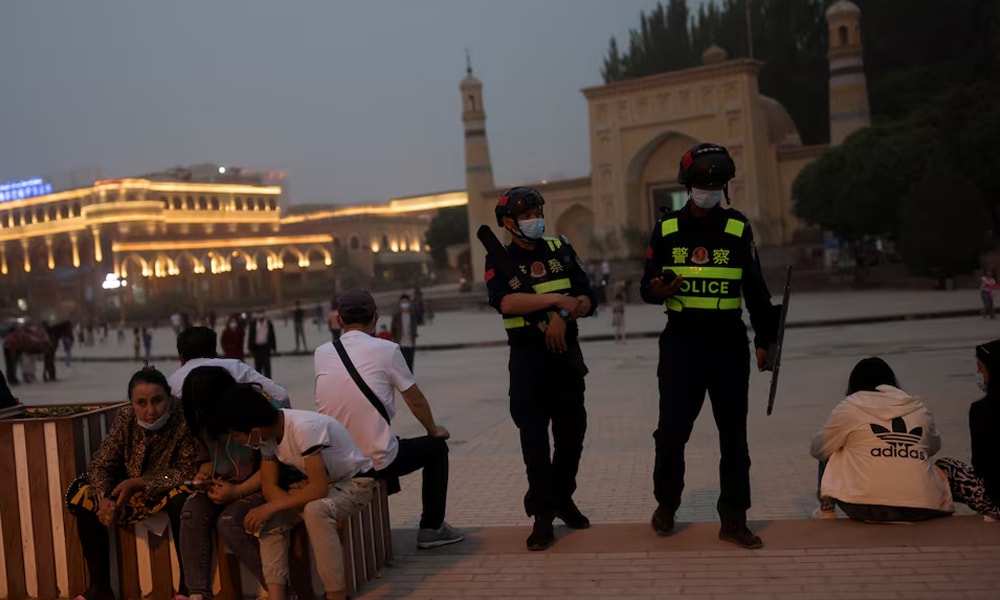
When the People’s Republic of China emerged from the ruins of colonial humiliation and civil war in 1949, its leaders inherited a vast and uneven nation. National rejuvenation meant more than reclaiming sovereignty — it required bridging deep internal disparities and restoring dignity through inclusive development. Among the regions most in need of such renewal was Xinjiang, a land of immense beauty, diversity, and strategic value, yet long burdened by poverty and neglect.
Copyright Business Recorder, 2025
The writer is a former Press Secretary to the President, An ex-Press Minister at Embassy of Pakistan to France, a former MD, SRBC Macomb, Detroit, Michigan




















Comments
Comments are closed for this article.