


Pakistan’s fossil fuel demand falls as solar picks up pace: report
- Country's primary energy supplies decline for second consecutive year in FY24
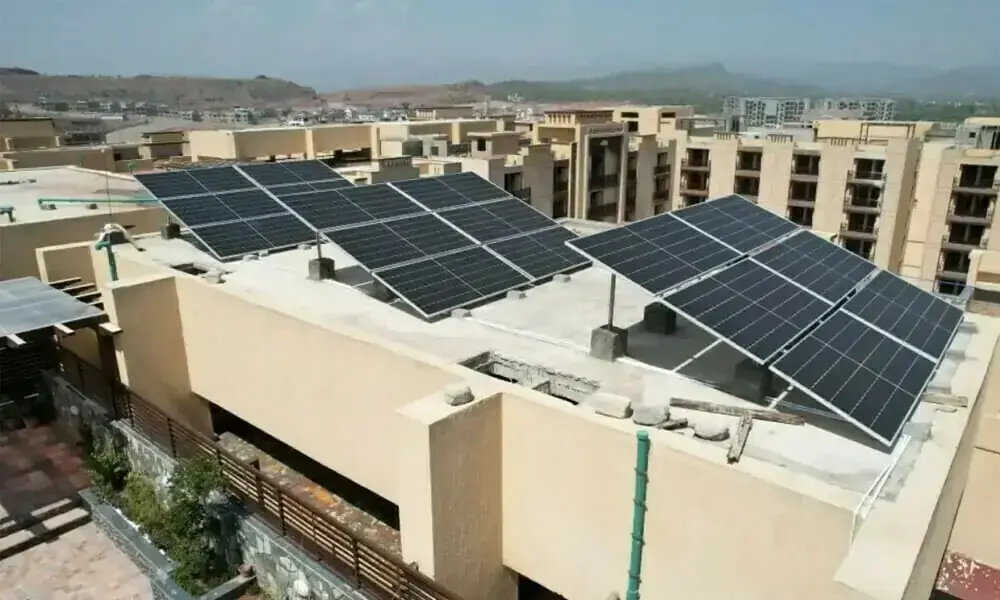

Shrinking energy supplies, weak demand, and rising fuel costs defined Pakistan’s energy landscape in FY24, as the country continued shifting towards alternatives to reduce its reliance on fossil fuels, according to a report Pakistan Energy Market Review (PEMR) 2025 recently released by Renewables First, an energy think tank.
The report stated that Pakistan’s primary energy supplies declined for the second consecutive year in FY24, while final energy consumption dropped sharply due to affordability constraints and weaker industrial and agricultural demand.
Crude oil production has dropped by 25% over the past decade, and domestic gas output continues to decline, increasing reliance on expensive imported liquefied natural gas (LNG). Coal consumption is also falling, with most of the remaining demand now being met through local coal instead of imports, according to the report.
‘Pakistan experiencing unprecedented solarisation of its energy sector’
The think tank maintained that LNG imports were straining foreign reserves as industries move away from them due to high costs.
“These imports are now being redirected toward households, adding to already heavy electricity bills. Long-term LNG contracts have also created a surplus at a time when industrial and captive consumption is falling. Together with the rupee’s volatility against the dollar, these factors are adding stress to the energy system,” it said in a press release.
“LNG served as our fallback fuel, but it is only a temporary bridge,” Huma Naveed, a data analyst, said. “This mismatch between supply and demand calls for planners to integrate the country’s growing use of renewable energy into future energy strategies.”
Non-fossil energy supplies, including hydel, nuclear, and solar, grew by nearly 50% since FY21, while fossil-based supplies continued to shrink, the think tank said. “Coal’s share in the energy mix is declining, mainly due to market dynamics, as rising costs make it less competitive.”
The report highlighted that the transition extended across sectors. The industrial sector saw the steepest drop in fossil fuel use, with industrial energy consumption falling 21% year-on-year in FY24.
“EV incentives are nudging transport toward electrification, while farmers are switching to solar-powered tube wells to cut diesel and grid reliance.”
With solar adoption accelerating, Pakistan’s energy landscape is entering a new phase, driven by citizens and defined by resilience and reform.

















Comments
Comments are closed for this article.