


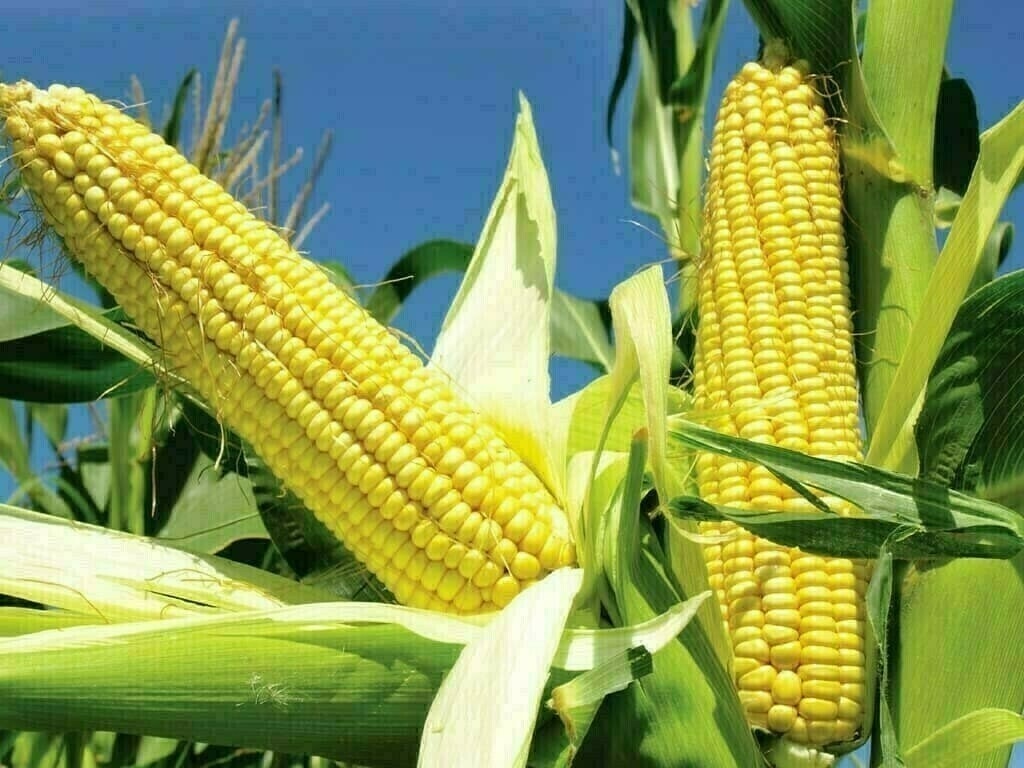

FAISALABAD: The University of Agriculture Faisalabad on Tuesday held the second consultative meeting about policy recommendations on Genetically Modified (GM) and non-GM corn in Pakistan: challenges and opportunities meant to tap the potential, increase the productivity and minimize the climate changes effects.
In this regard, a consultative meeting was arranged by Department of Plant Breeding and Genetics (PBG) that was presided over by UAF Vice Chancellor Prof Dr Zulfiqar Ali.
Prof Dr Zulfiqar Ali said maize is the third most important cereal crop in the country after wheat and rice. He added that we have to adopt such technologies that will increase productivity and cope with climatic changes. He said that the crop is facing the challenge of pest attack amid climate changes. The heavy usage of spray was raising the cost of production that health issue. He added that we have to adopt the modern technologies to address the issue, and raise per acre production. He said the universities had commenced a serious of session on GM and non-GM crop for coming up with the best solutions.
Muhammad Nawaz Shareef University of Agriculture Multan Vice Chancellor Dr Asif Ali, said that in the face of agricultural challenges we have to come up climate-resilient technology. He called for using the modern technology that will help tangible results. He shared insight the seed act and National Agriculture Biotechnology Policy saying that in Phase one, crops where GMO cultivation should be allowed. In phase II, Crops where GMOs are biologically good, but exports perspective should be considered.
Amanda Forster, the Seed and Trait Lead, Byer-Asia Pacific said Pakistan growers are being left behind with neighbor countries introducing GM Corn.
She added that developers have tools and resources that can ease the burden on Pakistan farmers and help them farm sustainably and productively by increasing yields, improving crop quality and decreasing the use of pesticides.
Chief Executive PARB Dr Abid Mahmood said that the Muslim countries were lagging behind in the technological adoption and advancement. We have to change the mindset for a better tomorrow.
Dean Agriculture Prof Dr Ghulam Murtaza, Chairman PBG Prof Dr Azeem Iqbal, Chair Agriculture Policy Prof Dr Asif Kamran, Dr Muhammad Shoukat Ali, Dr Sajjad Ur Rehmand, Dr Qamar Shakeel, Talal Hakeem, Dr Zafar HayyatDr Muhammad Aslam, Brig Sohail, Brig Talha and other notables spoke on the occasion.
Copyright Business Recorder, 2025






















Comments
Comments are closed for this article.