


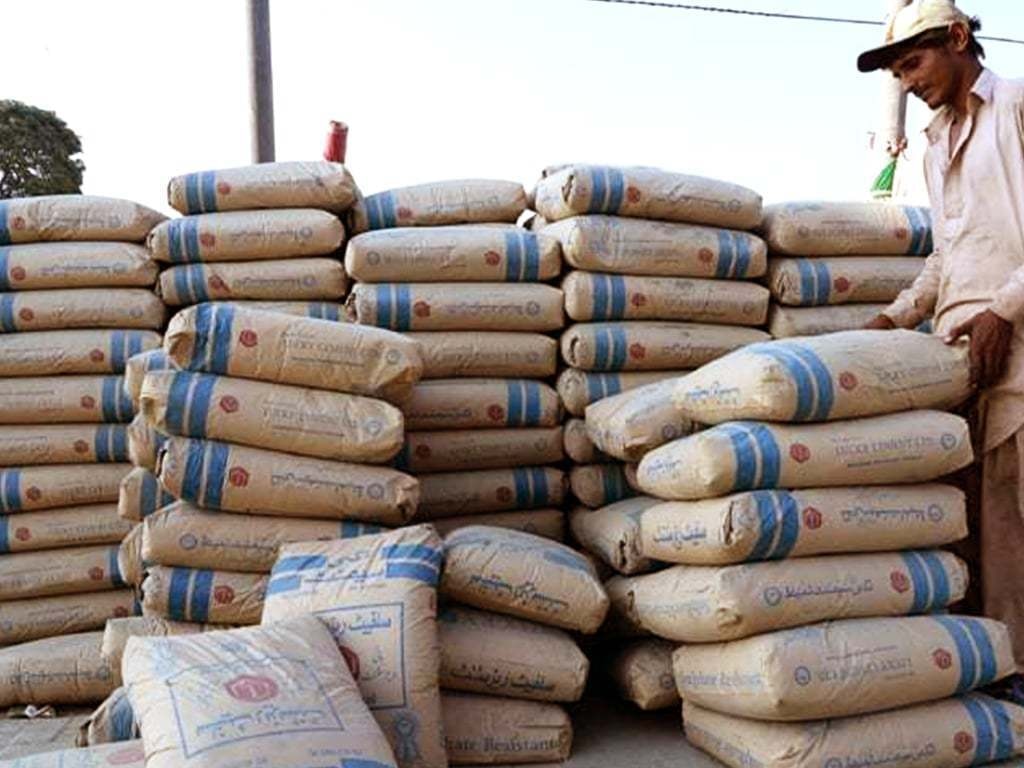
At the start of this fiscal year, Attock Cement (PSX: ACPL), one of the smaller cement manufacturers operating in the southern region, had five serious contenders eyeing its plants and facilities following the strategic exit of its Lebanese owners.
Something was clearly brewing. Even though ownership details remain uncertain, the company has managed a swift financial and operational turnaround. In the first quarter of FY26 (1QFY26), Attock’s earnings surged 13x!
This dramatic recovery was driven by a robust rebound in demand. The company’s revenues grew 64 percent during the quarter (year-on-year), while costs declined. Although volumetric sales data are not yet available in the financial disclosure, it remains clear that tje top-line growth was not solely price-driven. Stronger demand in both domestic and export markets boosted revenues significantly.
Operationally, however, Attock continues to face challenges. The company’s high distribution costs, largely due to its export focus, account for 13 percent of revenue, higher than the industry average. Since overseas exports naturally involve higher logistics and handling expenses, Attock’s overheads will likely remain elevated compared to peers that sell primarily to nearby domestic or cross-border markets.
While Attock’s profits stem from a rebound in its core business, other players are relying more on investment income to lift earnings. Maple Leaf Cement stands out as another major performer this quarter, though for very different reasons. Unlike Attock, Maple Leaf saw muted revenue growth, yet managed to increase its bottom line by 2.5 times. This was largely due to a surge in other income, which contributed 22 percent to pre-tax earnings.
Despite steady increases in cement prices over the past year, Maple Leaf’s revenue rose only 5 percent year-on-year during the quarter, with margins holding steady at 30 percent. Improved operational efficiency helped reduce overheads from 12 percent of revenue to 8 percent, while monetary easing cut finance costs from 6 percent to 2 percent. Together, these factors propelled profit margins for Mapleleaf from 7 percent last year to 16 percent in 1QFY26.
So far, Attock and Maple Leaf have emerged as the standout performers within the cement industry. Others have underwhelmed relative to market expectations. Cherat Cement, for instance, reported a 27 percent decline in profits during the quarter, while Fauji Cement’s performance remained roughly flat compared to last year. Among smaller players, Power Cement is showing signs of a turnaround, shifting from a loss to a respectable profit, supported by strong revenue growth and notable margin improvement.
As more companies release their financial results and additional data become available, one trend appears evident: even though overall cement offtake has recovered — up 16 percent year-on-year, with domestic offtake rising 14 percent, individual companies may not be capturing the same market shares they once held. Alternatively, price increases may not have been as broad-based as initially anticipated.
With the industry still operating at around 50 percent capacity, the fact that many companies are reporting subdued profits despite stronger demand could signal what’s coming next. A potential price war may be on the horizon.


























Comments
Comments are closed for this article.