


Industry, agri sector: Power tariff fixed at Rs22.98/kWh under PM’s package
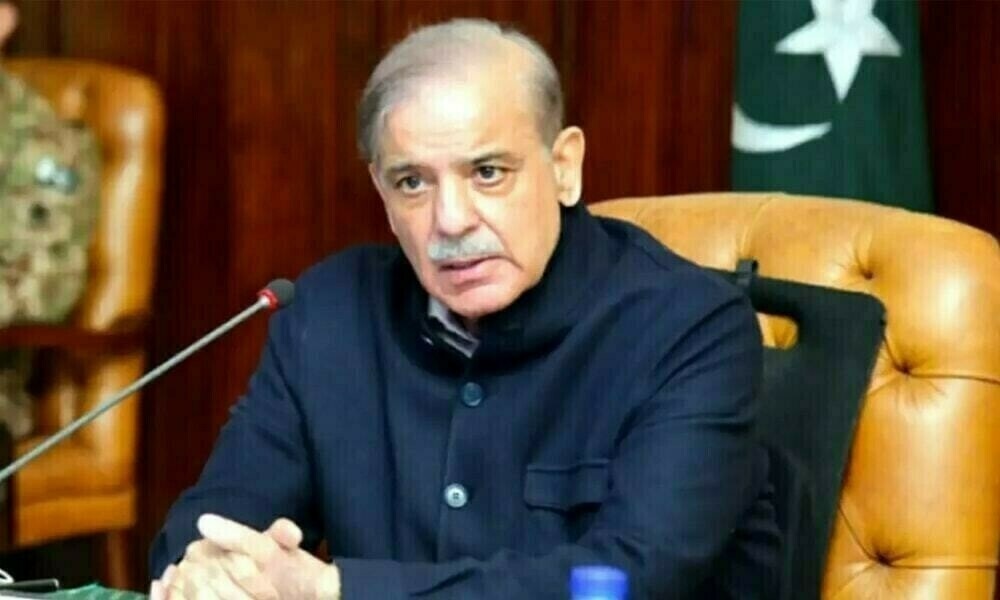

ISLAMABAD: The federal government on Thursday fixed power tariff for industry and agriculture sector at Rs 22.98/kWh respectively on incremental basis.
According to Power Division, Prime Minister Shehbaz Sharif’s announced the “Roshan Maeeshat Electricity Package” for the Development of National Industry and Agriculture.
He announced the package during a meeting with a delegation of experts and representatives from the industrial and agricultural sectors.
Under the package, industries and farmers will be provided additional electricity at concessional rates over the next three years (from November 2025 to October 2028).
Industries: FPCCI urges govt to roll out incremental power package
“The price of electricity units currently being provided to the industrial sector at Rs. 34 and to the agricultural sector at Rs. 38 per unit will be significantly reduced, and additional units will be supplied,” said the Prime Minister.
“For the next three years, additional electricity will be supplied to the industrial and agricultural sectors throughout the year at a rate of Rs. 22.98 per unit.”
Addressing industry leaders, agricultural experts and members of the business community, the prime minister detailed the key features of the package.
He reassured the public that the government is committed to shielding them from any adverse impact. “This initiative is crucial to the country’s economic recovery,” he added.
Sharif also commended Federal Minister for Power, Awais Leghari and his team for their efforts in designing the package, calling it a significant advancement for both industry and agriculture – two key pillars of the national economy.
He highlighted that this initiative is part of the government’s broader strategy to enhance the competitiveness of the country’s industries and improve the overall business climate.
Sharif also referenced the success of a similar programme last winter, which resulted in an additional 410 gigawatt hours of electricity consumption across these sectors, boosting industrial output, exports, and job creation.
Regarding the country’s economic trajectory, Sharif acknowledged the challenges but expressed optimism.
“With the dedication of our economic team and your continued cooperation, we are on the path to recovery,” he said, stressing that sustained growth in industry and agriculture would be key to overcoming the country’s debt challenges.
Looking to the future, the prime minister expressed confidence that Pakistan was on the road to achieving economic self-reliance. “By the grace of Allah and with sound policies, we are witnessing positive changes in our economic indicators,” he said, urging the nation to unite in striving for the country’s full potential. The meeting also focused on strategies to improve the country’s economic outlook, with a particular emphasis on boosting exports, establishing new industries, and encouraging both domestic and foreign investments.
In his address, Sharif underscored the importance of continued collaboration between the public and private sectors for sustainable economic growth.
He emphasised that improving industrial production and creating an attractive business environment would help translate positive economic indicators into long-term prosperity.
“Federal government agencies will refine their strategies based on the expert recommendations provided today,” Sharif stated, assuring that any barriers to new business ventures would be addressed as a top priority.
The prime minister reiterated the government’s commitment to supporting both local and international investors, particularly in the manufacturing sector, and pledged to remove obstacles to trade and investment.
“Increasing exports and establishing new industries will quickly transform positive economic trends into lasting growth,” he said, adding that the federal government was working tirelessly to bring these changes to fruition.
Sharif also highlighted the critical role of fostering both domestic and international investments in industries and trade for the country’s economic development, particularly in attracting global companies.
A statement issued by the Prime Minister’s Office claimed that business representatives at the meeting praised the government’s efforts to maintain macroeconomic stability and expressed confidence that further effective measures would create a more investment-friendly environment.
The prime minister assured that the government would continue promoting business-friendly policies to ensure long-term industrial and economic development. Later in a video message, Power Minister Sardar Awais Ahmad Khan Leghari said 7,000 megawatts of additional electricity was available.
“We decided that this electricity would be given to industry and agriculture sectors. Industry and agriculture are the backbone of the economy,” he added.
Industry and agriculture sectors will be provided electricity at reduced rates for additional usage. The price of additional units for agriculture has been reduced from 38 to 22 rupees and 98 paisa. The price for additional units for the industrial sector has been reduced from 34 to 22 rupees and 98 paisa. This will reduce the average cost of electricity for consumers.
“For example, if you used 100 units in agriculture before, now there will be a reduction of Rs 7 per unit in the average electricity price for the additional 100 units used, “he continued.
In industry, if the consumer was using 1,000 units before, now there will be a reduction of approximately Rs 5 per unit in the average electricity price for the additional 1,000 units used.
Minister also claimed that prices have already been reduced for the industrial sector, and further reduction will promote industry.
Copyright Business Recorder, 2025




















Comments
Comments are closed for this article.