


Asian currencies: Rupiah, won slide on US-China trade tensions
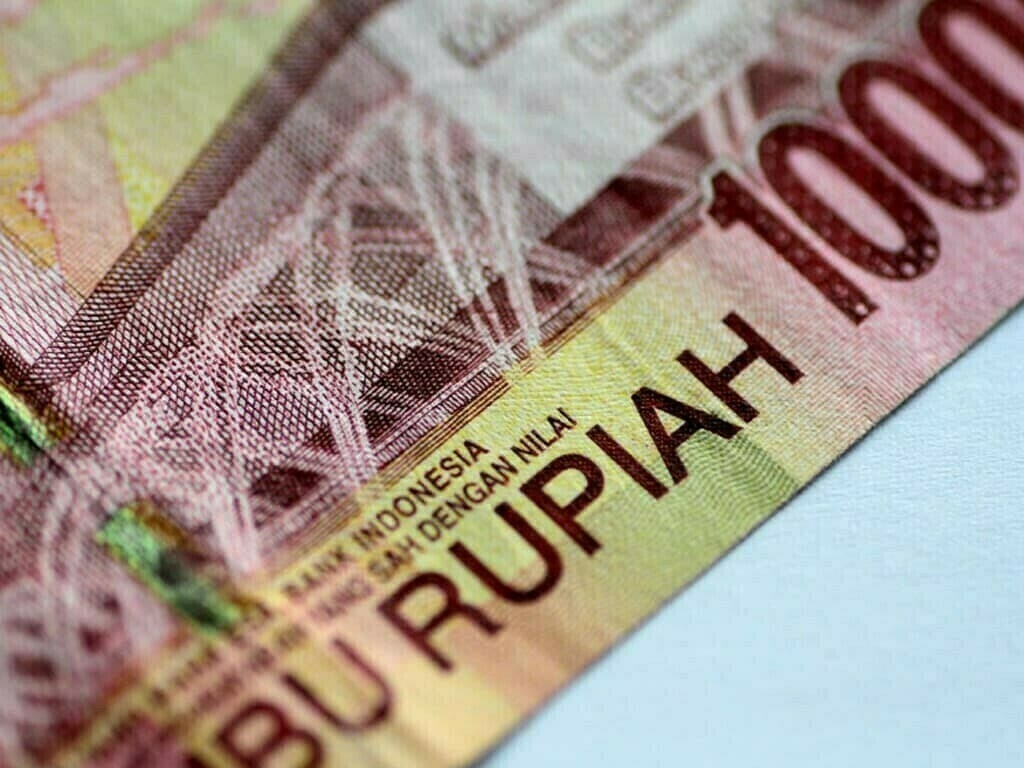

BENGALURU: The Indonesian rupiah and South Korean won led Asian currencies lower on Thursday as a firmer dollar and escalating US-China trade tensions outweighed local central bank rate-holding decisions.
The won slid 0.6 percent to its weakest in about six months as investors fretted over South Korea’s fragile economic outlook. Bank of Korea held rates to avoid fuelling a housing bubble, but signalled room for more cuts.
The Rupiah followed suit to give up 0.4 percent as investors focused on Indonesia’s shaky economic backdrop, marked by political turmoil after the ousting of finance minister Sri Mulyani Indrawati and rising worries over fiscal discipline.
Bank Indonesia’s surprise decision to hold rates on Wednesday to shore up currency stability offered limited relief, with markets still pricing in more easing and the dollar’s strength amplifying pressure on the region’s worst-performing currency.
Goldman Sachs still expects two 25-basis-point cuts in the fourth quarter, though persistent rupiah weakness could delay easing to early 2026. BI’s next policy meeting is from November 18 to November 19. Jakarta shares rose more than 1 percent on easing expectations.
Markets want proof of policy coordination and fiscal discipline, with the rupiah stuck near 16,500 until confidence returns, said Philip Wee, senior FX strategist at DBS.
The dollar index advanced 0.1 percent as the Trump administration considers curbing software-enabled exports to China — ranging from laptops to jet engines — in retaliation for Beijing’s rare earth restrictions.
The move fuelled sell-offs in emerging market assets, with investors wary of spillover across Southeast Asia, where China is the leading trade partner.
US plans to broaden export curbs on China, indications of tougher sanctions on Russia and a sharp metals sell-off added to market jitters, said Christopher Wong, currency strategist with OCBC.
Investor attention is now on the US retail inflation report, expected Friday in the midst of an ongoing government shutdown.
While markets have already fully priced in a cut at next week’s Federal Reserve meeting, the data could influence expectations of further easing. The Philippine peso fell 0.32 percent for a fourth straight session to its weakest since February 3, while the Singapore dollar slipped 0.12 percent and Taiwan’s dollar lost 0.26 percent, marking three days of declines.
Asian equities that rallied earlier on trade optimism faced renewed pressure—South Korea’s KOSPI fell 1 percent, Taiwan’s dropped 0.4 percent, and Malaysia’s eased 0.01 percent, while Philippine shares slipped 0.25 percent. Thailand’s SETI bucked the trend with a 0.9 percent gain.

























Comments
Comments are closed for this article.