



BENGALURU: Emerging Asian currencies strengthened on Wednesday as the US dollar softened after dovish comments from Federal Reserve Chair Jerome Powell fuelled expectations for more interest rate cuts, though growing US-China trade worries kept investors cautious.
The MSCI index of emerging market currencies broke its six-session losing streak to rise 0.5 percent. It was on course for its best day in more than three months.
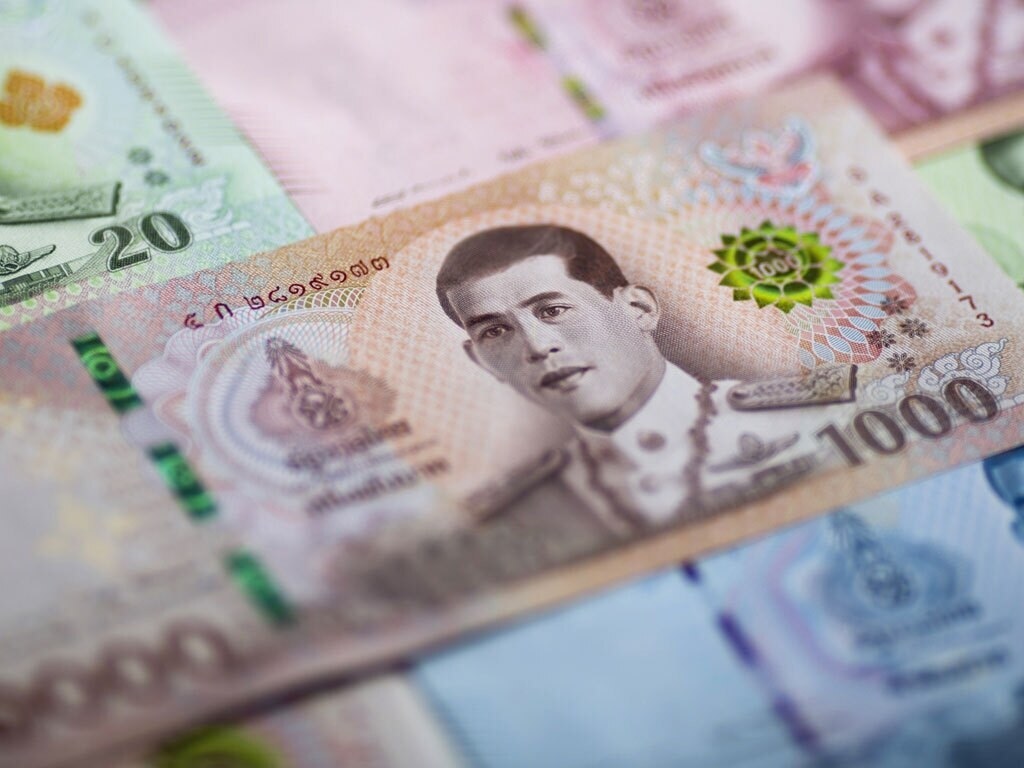
The Thai baht and the Taiwanese dollar rose 0.6 percent each.
The Chinese yuan strengthened 0.2 percent. Beijing set the official yuan midpoint on the stronger side of the closely watched 7.1 per dollar level for the first time in nearly a year.
“Asian currencies are benefiting from yet another firm CNY fix, and comments from Fed Chair Powell that effectively reinforce expectations of policy easing this month,” said Mitul Kotecha, head of forex and EM Macro Strategy Asia, Barclays.
The dollar weakened 0.3 percent after Powell left the door open to further rate cuts and said the end of the Fed’s long-running effort to shrink its holdings may be coming into view.
Among other Asian currencies, the Indian rupee climbed 0.6 percent. The Reserve Bank of India stepped in forcefully to curb pressure on the rupee, kicking off dollar sales through state-run banks before market open, according to traders.
The Indonesian rupiah, among the worst-performing Asian currencies so far this year, was largely flat at 16,570 per dollar. The country’s finance minister said the rupiah is likely to strengthen in the fourth quarter, with capital inflows set to increase.
“Overall, there is some nervousness over the escalation in US-China trade tensions, which could weigh on risk assets,” Kotecha said.
US President Donald Trump said Washington was considering terminating some trade ties with China, including in relation to cooking oil.
Meanwhile, US Trade Representative Jamieson Greer said it depended on China whether additional 100 percent tariffs on its exports to the United States kick in on November 1 or sooner, but acknowledged it might be hard for Beijing to find an off-ramp.
Kotecha said investors may still see scope for de-escalation while maintaining hopes that Trump and Chinese President Xi Jinping could meet at the APEC summit later this month.
Regional stock markets also rose, with MSCI’s gauge of Asian emerging market equities up 2.3 percent, after falling for three consecutive sessions.
South Korean stocks rose 2.8 percent to an all-time high. Thai shares gained 1 percent, while Taiwan’s equities climbed 1.8 percent.




















Comments
Comments are closed for this article.