


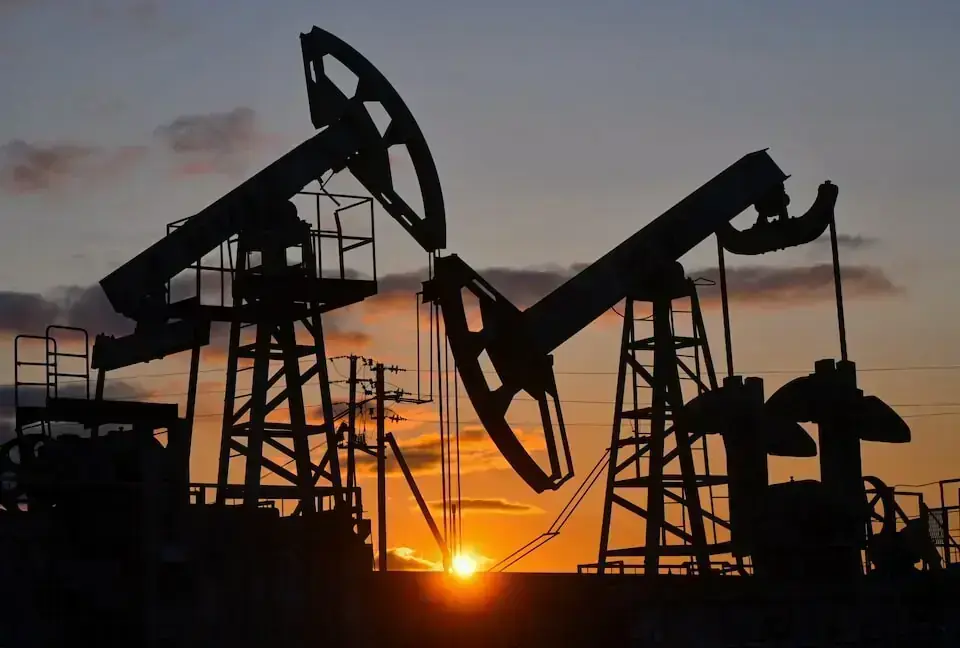

In a season when Pakistan’s trade deficit is once again widening, global oil prices have delivered an unexpected gift. Brent crude has quietly slipped to around $61–62 per barrel, its lowest in months — a development that, while unnerving producers, offers a much-needed cushion for energy importers like Pakistan.
The relief could not have come at a better time. With import payments rising on the back of higher machinery, food, and power purchases, even a modest decline in oil prices can ease pressure on the external account. Every $5 drop in Brent roughly translates into annual savings of over half a billion dollars on Pakistan’s oil import bill. That makes the ongoing softness in global crude a macroeconomic tailwind that Islamabad did not plan for — but badly needs.
Beneath that reprieve, however, lies a market story turning distinctly bearish. The International Energy Agency’s October report points to a widening global surplus in the months ahead, with inventories already rising and expected to build further through 2026. Supply is expanding across multiple fronts: OPEC+ producers are gradually unwinding voluntary cuts, non-OPEC supply from the U.S., Brazil, and Canada remains strong, and even Russian output has proven stickier than expected.
Against this, demand growth is weakening. The IEA projects consumption to rise by barely 0.7 million barrels per day next year — far below the levels needed to absorb incremental supply. Slower industrial activity, high interest rates, and structural shifts away from fossil fuels are all dampening appetite.
OPEC, meanwhile, continues to project confidence — or perhaps denial. It has left its demand forecast unchanged at 1.3 mbpd for 2025, maintaining the line that Asian demand will absorb excess supply. But that optimism now sits at odds with the IEA’s caution. The futures curve tells the truer story: backwardation has nearly vanished, a sign that physical tightness has faded and traders are no longer willing to pay a premium for immediate barrels.
The occasional lift from U.S.–China trade de-escalation headlines does little to disguise the underlying softness. Refinery runs are slowing in China, European demand is stagnant, and U.S. consumption is flatlining ahead of the election cycle. None of these point toward a tightening market.
At current prices, the question is not whether oil will fall further but where the floor lies. Below $60, non-OPEC producers — particularly U.S. shale — could begin to throttle back drilling, offering a natural supply-side correction. Until that happens, the market appears content to drift lower.
For Pakistan, though, this drift is welcome. The country’s oil import bill remains its single largest external liability; a softer crude outlook not only alleviates near-term pressure on the current account but also buys fiscal breathing room by slowing domestic price pass-through. After months of rising deficits and a weakening rupee, this is one of those rare external shocks that arrives as a blessing, not a blow.
The global market may be uneasy about oil’s quiet slide, but for Pakistan, it’s the kind of silence that hums in tune with relief.




















Comments
Comments are closed for this article.