


Surveys underrepresent top-income brackets: Actual inequality in Pakistan likely higher, says World Bank
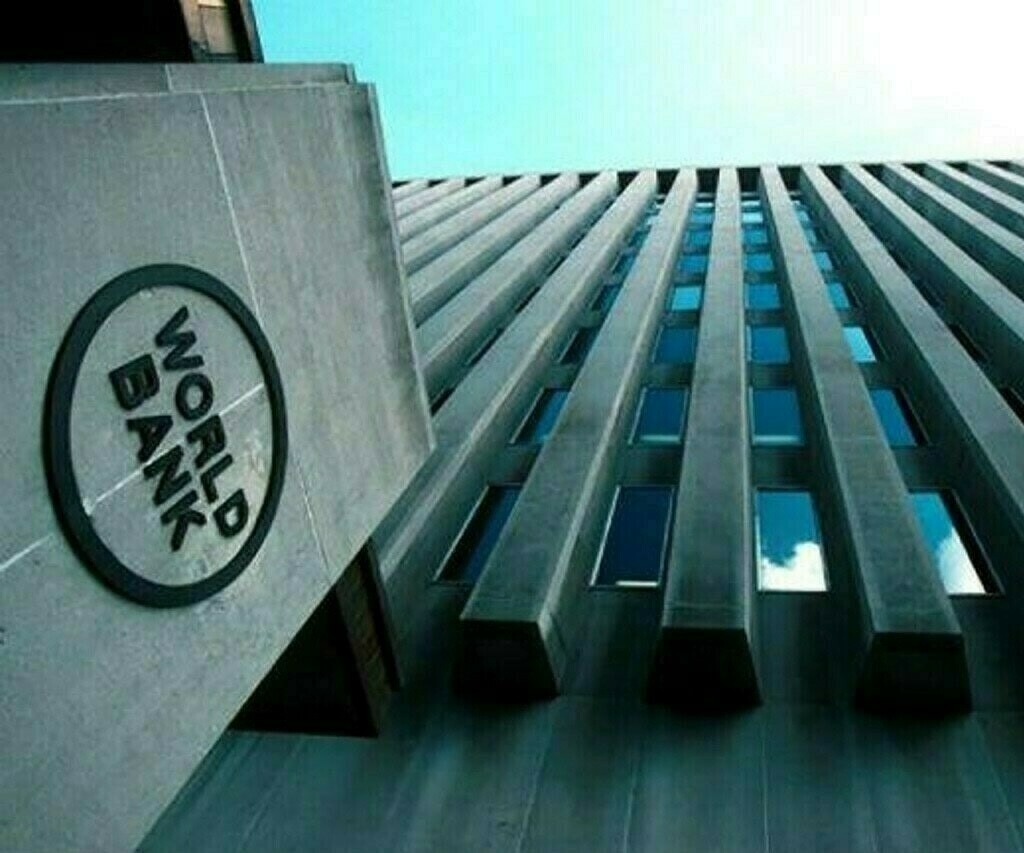

ISLAMABAD: The World Bank has warned that actual inequality in Pakistan is likely higher, as surveys typically underrepresent top-income brackets.
The Bank, in its latest “Poverty & Equity Brief”, stated that inequality, as measured by the Gini Index of household consumption, is estimated at 30.3, a decrease of 1.4 points relative to last year.
Despite modest growth at 2.7 percent (real GDP), Pakistan’s economic stability and easing inflation in fiscal year 2025 are projected to have contributed to poverty reduction. The poverty rate, measured at the new LMIC international poverty line threshold, is estimated to have decreased to 45.0 percent in fiscal year 2025 (USD4.20/day 2021 PPP) from 47.1 percent in the previous year.
Pakistan’s poverty reduction reversed by economic shocks, weak reforms: WB
This reduction is driven by a sizable growth in the construction and logistics sectors, which has raised labour incomes; about a quarter of all working poor are employed in these sectors.
The bank further stated that, in addition, a marked decrease in food inflation in fiscal year 2025 eased price pressures and improved purchasing power for poor households, who allocate around 45 percent of their budgets to food.
Inequality, as measured by the Gini Index of household consumption, is estimated at 30.3, a decrease of 1.4 points relative to last year. However, actual inequality is likely higher, as surveys typically underrepresent top-income brackets.
Recent climate-induced shocks, however, have caused widespread loss of lives, assets, and livelihoods, jeopardizing these gains. Since June 2025, intense monsoon rains and glacial melt have triggered flash flooding across the country, affecting over two million people and causing widespread damage to homes, agricultural assets, and infrastructure.
Preliminary estimates suggest a loss of 0.5 million hectares of cropped land, and an associated 10 percent drop in agricultural output in Punjab, affecting major crops such as rice, sugarcane, cotton, wheat, and maize. This further raises concerns over food insecurity in fiscal year 2026 and risks reversing poverty reduction gains, if not mitigated. Khyber Pakhtunkhwa and Punjab provinces have been hit the hardest thus far, while another 1.6 million people further downstream in Sindh remain at risk.
While the early signs of growth in fiscal year 2025 have translated into welfare improvements for some segments of the poor, sustaining these gains will depend on economic recovery and reconstruction efforts, alongside effective social protection responses for those impacted by the floods. In particular, poor rural households that have lost agricultural assets have limited savings, and inadequate coping mechanisms are especially vulnerable to these shocks. Additionally, food inflation has experienced an uptick since June 2025 and could further increase in the face of disrupted supply chains, potentially reversing gains made earlier in the year.
It further noted that, given the high degree of job informality in construction and logistics sectors, especially for low-skill work, volatility in the growth of these sectors can sharply diminish real wages for the poor.
External remittances surged to a record high of 9.3 percent of GDP fiscal year 2025 and serve as a crucial buffer for vulnerable households (just above the poverty line), but their impact on the poorest remains limited, with only 3.2 percent of them receiving remittances.
Poverty is estimated over the vector of the household consumption expenditure per adult equivalent. The Food Poverty Line reflects the cost of consuming 2,350 calories per adult equivalent per day; the poverty line reflects additional expenditure necessary for non-food needs.
The Cost of Basic Needs (CBN) poverty line estimated using the HIES 2013-14 was Rs 3,030 per adult equivalent in current prices (Rs 3,741 and Rs 3,769 expressed in 2018-19 rural and urban prices, respectively).
The international poverty rates use the vector of temporally and spatially deflated household consumption expenditure. Welfare projections beyond 2018-19 are micro-simulations based on macroeconomic data, including sectoral GDP growth rates and inflation rates, it added.
Copyright Business Recorder, 2025




















Comments
Comments are closed for this article.