


Pakistan’s poverty reduction reversed by economic shocks, weak reforms: WB
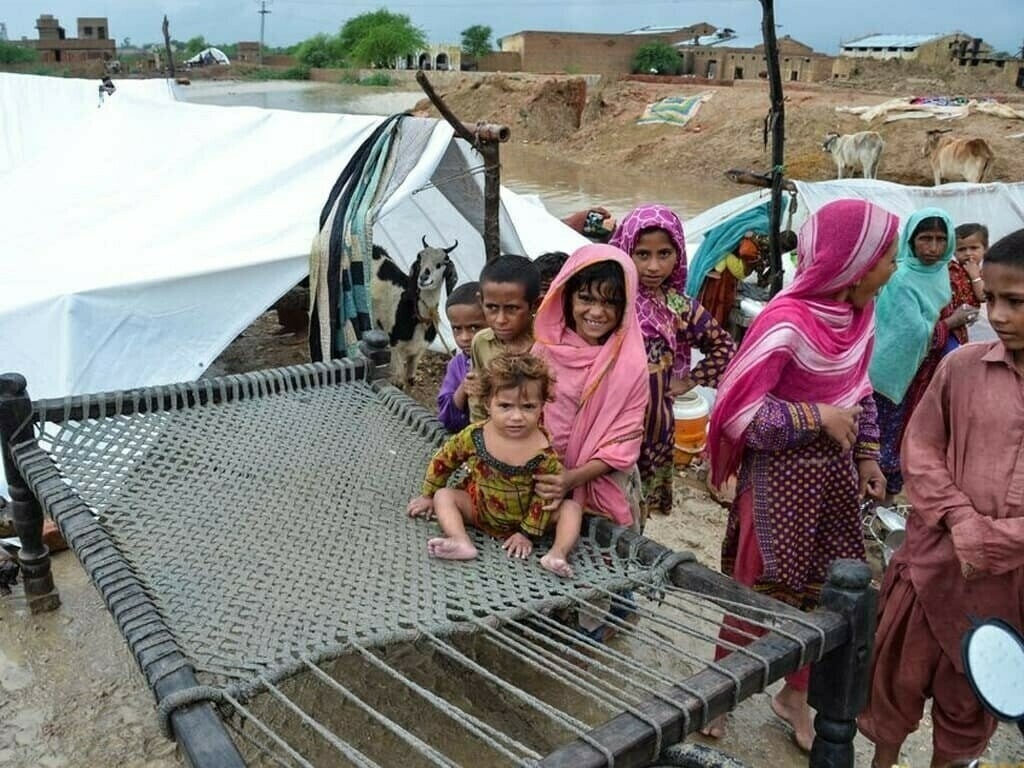

ISLAMABAD: The World Bank has warned that Pakistan’s once-successful poverty reduction drive has stalled and reversed, with the poverty rate climbing by 7 percent in the past three years to a projected 25.3 percent in 2023-24.
In a new report released Tuesday, “Reclaiming Momentum Towards Prosperity: Pakistan’s Poverty, Equity, and Resilience Assessment,” the Bank cautioned that the country’s growth model, which had earlier lifted millions out of poverty, is no longer sufficient to sustain progress and protect millions of households from shocks ranging from COVID-19 and economic turmoil to devastating floods and record inflation.
It urged bold policy reforms to fix structural imbalances, protect households from shocks, and tackle persistent regional and social disparities.
After years of progress, Pakistan sees poverty rise again as World Bank urges people‑centred reforms
Pakistan had cut poverty dramatically from 64.3 percent in 2001 to 21.9 percent in 2018, declining by 3 percentage points annually until 2015 before slowing to less than 1 percentage point per year. Recent compounding shocks have pushed poverty rates back up to a projected 25.3 percent by 2023-24, it added.
The poverty rate was 18.3 percent in 2021-22, 24.8 percent in 2022-23 and 25.3 percent in 2023-24, it added.
“Pakistan’s poverty reduction trajectory has come to a troubling halt,” the report noted, warning that many households remain one shock away from sliding back into poverty.
At the international poverty line of $4.20 per person per day, nearly 45 percent of Pakistanis were poor in 2018, far higher than peers such as Malaysia, Indonesia, Türkiye, and Egypt.
The Bank identified high population growth, weak job creation, low productivity, and poor public services as key barriers. Nearly 40 percent of children are stunted, one-quarter of school-age children are out of school, and 75 percent of those in primary school cannot read a simple story. Rural poverty (28.2 percent) is more than double urban poverty (10.9 percent), with Balochistan worst off at 42.7 percent.
Climate change further compounds risks, as Pakistan remains among the 10 most climate-vulnerable countries despite contributing less than 1 percent of global emissions. The 2022 floods alone cut national output by 2.2 percent, disproportionately hitting the poor.
“Protecting Pakistan’s hard-won poverty gains while accelerating reforms that expand jobs and opportunities—especially for women and young people — will be critical,” said Bolormaa Amgaabazar, the World Bank’s Country Director.
The report noted that the early decline in poverty was mainly driven by higher incomes from informal labor markets—providing over 95 percent of jobs for those at the bottom of the distribution—and labor movements from low-productivity agriculture to low-quality services and construction.
However, low productivity across sectors limits income benefits for those remaining in agriculture and those who moved out, stalling income growth. In fact, real wage growth in sectors employing the poor remained minimal at just 2-3 percent between 2011 and 2021, making the poor ill-equipped to convert economic growth into income-generating opportunities.
Agriculture’s share in GDP has declined, and productivity remains low while supporting two-thirds of the population. Industry has stagnated, and services have grown modestly. Most firms remain small and unproductive, and labor shifts from agriculture have not translated into higher productivity, better jobs or higher incomes. Regulatory complexity, market distortions, and trade protectionism favor incumbents and discourage innovation, reinforcing informality and low-quality employment.
Despite contributing less than 1 percent of global emissions, Pakistan ranks among the top 10 most climate-vulnerable countries. Extreme weather — floods, droughts, heatwaves — destroys infrastructure, disrupts services, and reduces GDP, as seen in the 2022 floods that cut output by 2.2 percent.
The poor are hit hardest: rural households lose crops and livestock, while urban slum dwellers face health risks from heat and disease.
Yet, the current growth model continues to degrade the environment and deepens vulnerability. Underlying these issues are institutional weaknesses.
Political instability, patronage-based governance, and elite capture distort policymaking and undermine public service delivery. Incomplete devolution and regressive taxation further erode trust and limit the state’s ability to respond to shocks or deliver inclusive growth.
International and domestic remittances contributed to higher household welfare but are not significantly associated with a decline in poverty, as they are less prevalent among poor or vulnerable households. Among households in the bottom quintile, nearly 9 percent receive remittances from domestic migrants, while less than 3.5 percent receiving higher-value remittances from migrants working abroad. Public social transfers, such as the Benazir Income Support Programme (BISP), marginally reduced the poverty gap by 16 percent, meaning that while the poor remain poor, they are less poor as a result.
Pakistan’s limited progress in boosting productivity, creating quality jobs, and curbing population growth has led nearly 11 million citizens to seek employment abroad, making migration a key source of household income and foreign exchange. Between 2000 and 2022, international remittances rose from US$1.3 billion to US$20 billion annually, reaching 8 percent of GDP in FY22 and positioning labor as the country’s largest “export.” Yet, the value of real remittances is declining over time and the number of workers abroad is volatile. According to the Bureau of Emigration & Overseas Employment (BEOE), approximately 727,381 individuals left Pakistan for employment purposes in 2024, marking a 15 percent decline from the 862,625 who emigrated in 2023.
Pakistan’s progress in human capital development has significantly lagged behind its monetary poverty measures due to insufficient human capital investments and the failure to provide high-quality and accessible public services. Nearly 40 percent of children suffer from stunting, with little improvement over time, while one-quarter of primary school-aged children remain out of school. Worryingly, 75 percent of children who go to school cannot read and understand a simple story by the end of primary school. Basic services and infrastructure remain inadequate, with only half of households having “safely managed” access to drinking water in 2018, and 31 percent lacking sanitation facilities to manage human waste safely.
Geographic inequalities persist as another critical challenge, with rural areas remaining more than twice as poor as urban areas (28.2 vs. 10.9 percent) and startling provincial disparities (Balochistan’s poverty rate stands at 42.7 percent). Urbanization has failed to achieve anticipated productivity gains because of inadequate planning, infrastructure, and services in urban and peri-urban areas.
Human capital deficits in Pakistan are multidimensional and span the entire life cycle, beginning at birth. Nearly 53 out of every 1,000 live births do not survive infancy, making the infant mortality rate in Pakistan almost twice as high as the rest of South Asia and five times higher than in upper middle-income countries (UMICs). In contrast to regional and income peers, Pakistan also has not seen any reduction in stunting rates over the past 20 years.
“It will be critical to protect Pakistan’s hard-won poverty gains while accelerating reforms that expand jobs and opportunities—especially for women and young people,” said BolormaaAmgaabazar, World Bank Country Director for Pakistan. “By focusing on results—investing in people, places, and access to opportunities; building resilience against shocks; prioritizing fiscal management; and developing better data systems for decision-making—Pakistan can put poverty reduction back on track.”
The report underscores systematic, complex, and persistent spatial disparities in welfare across Pakistan. Rural poverty remains more than twice as high as urban poverty, and many districts that lagged behind decades ago continue to do so today.
Furthermore, unplanned urbanization has led to ‘sterile agglomeration’ — crowded settlements with low living standards.
“Progress in poverty reduction is threatened by structural vulnerabilities,” said Christina Wieser, Senior Economist and one of the lead authors of the report.
“Reforms that expand access to quality services, protect households from shocks, and create better jobs—especially for the bottom 40 percent—are essential to break cycles of poverty and deliver durable, inclusive growth.”
The report outlines four pathways to restore progress. First, invest in people, places, and opportunities to tackle human capital gaps, particularly for the most disadvantaged. Investments in public services such as health, education, housing, water, and sanitation, need to be accompanied by strengthening local governance. Second, build household shock-resilience by making safety nets responsive and inclusive.
Third, adopt progressive fiscal measures by improving municipal finance, phasing out inefficient and wasteful subsidies, and prioritizing targeted investments for the poorest. It further recommended for invest in timely data systems to guide decisions, target resources, and track results.
Copyright Business Recorder, 2025
















Comments
Comments are closed for this article.