


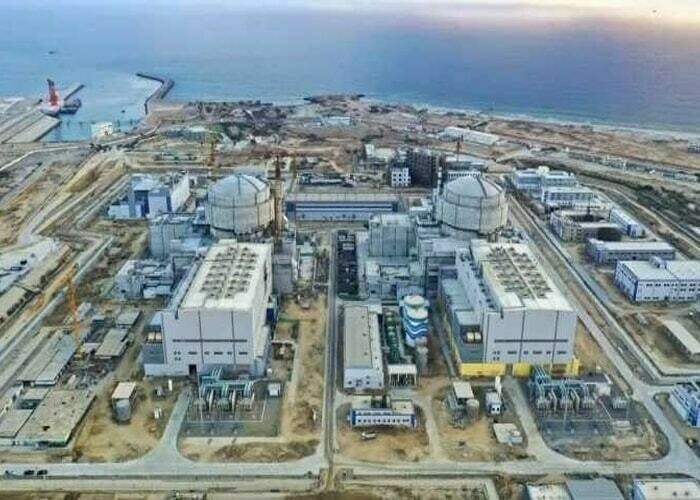
EDITORIAL: According to the World Nuclear Industry Status Report (WNISR) 2025, Pakistan’s nuclear power plants generated a record 21.7 terawatt-hours (TWh) of electricity in 2024, supplying more than 12 percent of total grid needs. It is a milestone worth acknowledging.
Nuclear has become a dependable, low-carbon contributor at a time when imported fossil fuels weigh heavily on the economy. But the real lesson here is not about nuclear at all; it is about how capacity additions are celebrated in isolation, while the energy system is undergoing a transformation that policymakers are barely keeping pace with: the solar surge.
In 2024, Pakistan’s solar panel imports exceeded USD 2 billion — quadrupling in just three years. And it is not stopping there. Battery imports in the first half of 2025 have already surpassed the entire volume of last year, showing how rapidly storage is becoming the mainstream as costs decline. Behind the meter, rooftop installations are spreading at a pace that has taken even seasoned observers — and Pakistani authorities themselves — by surprise.
This is not a marginal shift; it is systemic. Consumers, pushed by unaffordable electricity tariffs and load-shedding risks, are moving en masse to self-generation. Industries are hedging with solar-plus-storage to stay competitive. And the more this trend accelerates, the more it disrupts the assumptions on which Pakistan’s official capacity expansion plans rest.
That is why the nuclear milestone should be treated as a reminder to plan better. Pakistan cannot afford to lock itself into expensive, centralised projects without accounting for the silent but massive adoption of rooftop solar. The next phase of capacity planning must incorporate distributed generation, flexible grid design, and the economics of storage. Nuclear, hydro, and wind will remain important — but they must be configured around solar as the anchor resource, not the other way around.
Pakistan’s nuclear achievement deserves applause. But the real story of the country’s power sector is unfolding on rooftops and factory floors, where solar panels and batteries are quietly rewriting the rules. The sooner planning frameworks acknowledge this, the better Pakistan’s odds of avoiding another costly misalignment in its energy transition.
Copyright Business Recorder, 2025
























Comments
Comments are closed for this article.