


Debt burden reaches alarming levels: Every Pakistani now owes Rs318,252
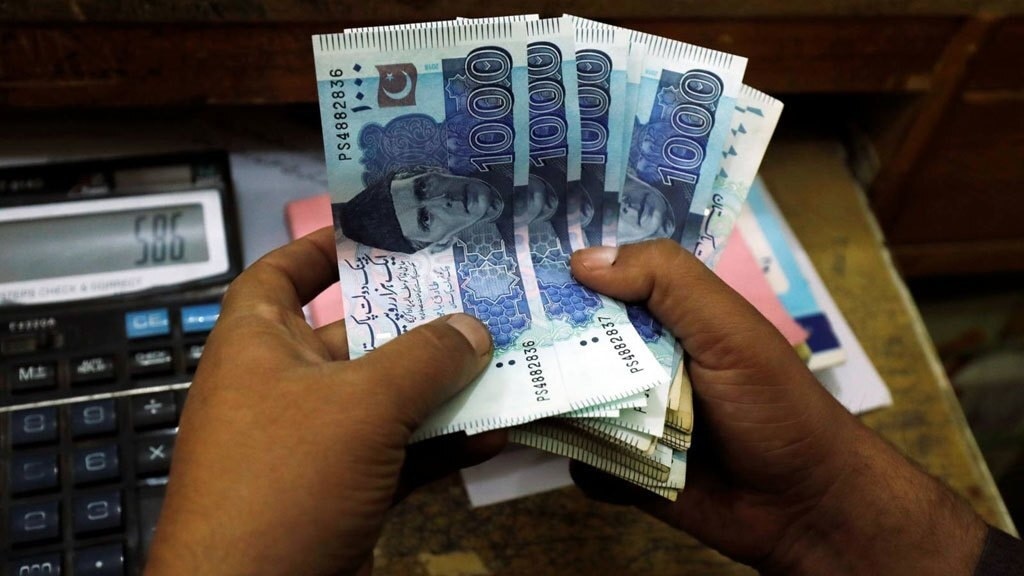

ISLAMABAD: Pakistan’s debt burden has reached alarming levels, with every citizen now owing Rs 318,252, according to the latest estimates by the Economic Policy & Business Development (EPBD) Think Tank.
Figures show that per-person debt has ballooned from Rs 90,047 in 2014 to Rs 318,252 in 2024 — marking an average annual growth of 13 percent.
The country’s public debt-to-GDP ratio now stands at 70.2 percent, well above the legal ceiling of 60 percent set under the Fiscal Responsibility and Debt Limitation Act, 2005. In regional comparison, Pakistan is second only to Sri Lanka (96.8 percent), while higher than Thailand (61.1 percent), India (57.1 percent), Indonesia (40.2 percent), and Bangladesh (36.4 percent).
Pakistan’s Rs7.2trn annual debt burden should finance growth-generating activities, says think tank
The report highlights multiple red flags: a 71 percent rupee devaluation since 2020, peak interest rates of 22 percent in fiscal year 2023-24, and consistent violations of debt sustainability limits. The EPBD warns that Pakistan is caught in a “debt trap,” where high interest rates fuel currency devaluation, which in turn increases the debt burden, perpetuating a vicious cycle.
The Think Tank stressed urgent fiscal reforms, export growth, and debt restructuring measures to prevent the situation from escalating into a full-blown crisis.
Copyright Business Recorder, 2025




















Comments
Comments are closed for this article.