



SINGAPORE: Most Asian currencies were poised for weekly losses as the dollar strengthened and US President Donald Trump’s latest tariffs dampened risk sentiment, while South Korean shares fell nearly 3percent on Friday on concerns over US trade talks.
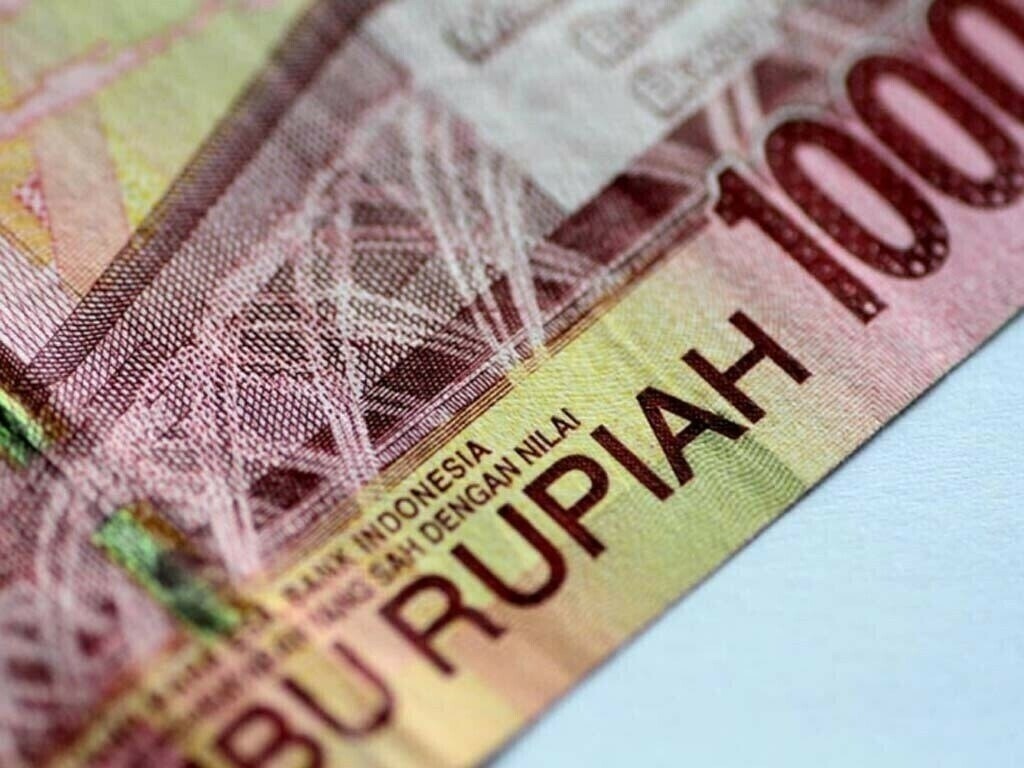
The Indonesian rupiah pared losses and was last trading flat after the central bank governor committed to maintaining the currency’s stability, including continued intervention in the offshore and onshore non-deliverable forward markets.
The rupiah had fallen as much as 0.3 percent to 16,790 per dollar earlier in the session and was set for its second week of losses.
Bank Indonesia’s surprise interest rate cut last week, viewed as bowing to President Prabowo Subianto’s push to accelerate growth, exacerbated pressure on a currency already reeling with risks of fiscal slippage.
Other regional currencies were also subdued as the dollar held on to gains, with traders paring back bets of sharp US rate cuts following stronger-than-expected economic data.
The MSCI index of emerging market currencies fell 0.2 percent in its seventh straight session of losses.
The Philippine peso was down 2.1 percent for the week, its worst weekly performance in three years. The Thai baht was set for a 1.2 percent weekly drop, its worst since late-July, as authorities moved to contain the currency’s gain, which is hurting exports and tourism.
Meanwhile, Trump’s latest tariff measures, including 100percent duties on branded drugs and 25 percent tariffs on heavy-duty trucks, further undermined risk sentiment, putting pressure on regional currencies, according to OCBC currency strategist Christopher Wong.
The Indian rupee managed to hold above its all-time low, supported by likely central bank intervention. Barclays analysts said India might be cushioned by its overall domestic orientation despite the importance of pharmaceuticals in its US exports.
Meanwhile, Singapore has the most value-added exposure to pharmaceutical tariffs – through direct exports and indirectly via shipments of intermediate goods to other economies, according to Barclays analysts. The Singapore dollar was last up 0.1percent.
In South Korea, the won was down for a fourth consecutive session and was poised for its worst weekly performance since mid-July.
The selling gained momentum this week after President Lee Jae Myung said the country would need a currency swap agreement with the US if it accepted Washington’s demands to invest USD350 billion in America, as part of the trade deal.

























Comments
Comments are closed for this article.