


Engineers, innovation, and inclusive growth: time for action
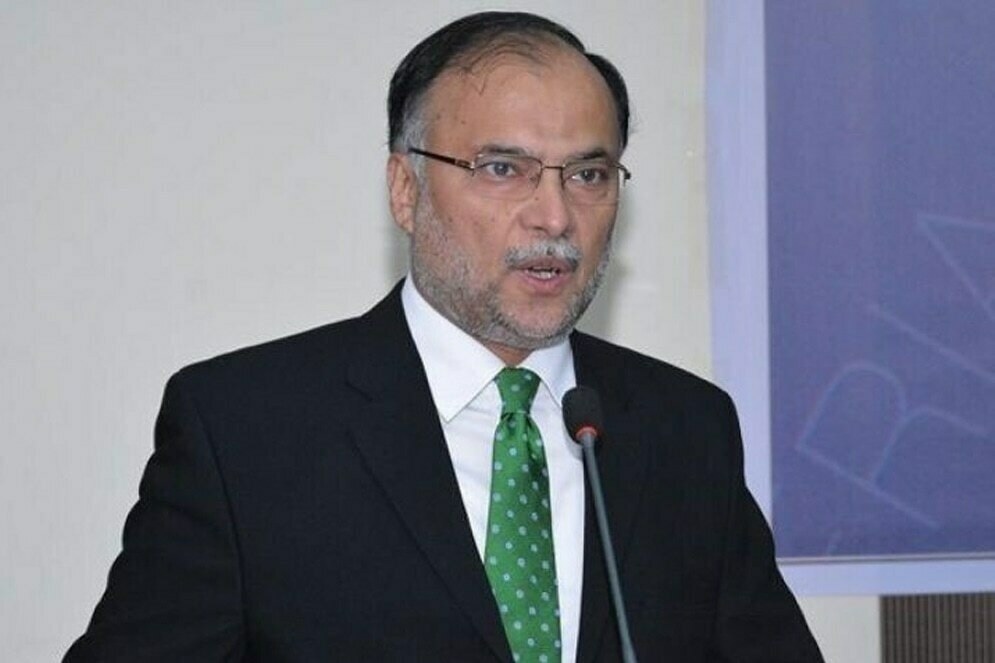
Federal Minister Ahsan Iqbal’s recent statement on the significance of political stability and modern technology for Pakistan’s economic uplift is not only timely, it is vital. His emphasis on a zero-tolerance policy toward anarchy, infrastructure-led export growth, and the critical role of engineers deserves amplification. But as someone deeply involved in research and teaching around sustainability and innovation, I believe this is also the moment to ask that how do we move from rhetoric to results?
Innovation is no longer optional. In the world where AI, blockchain, and digital twins are reforming industries globally, Pakistan must create an innovation-first industrial policy, and strive for first mover advantage. This means implanting R&D capabilities within local firms, incentivizing collaboration between academia and engineering industries, and ensuring that innovation is not limited to isolated technology parks but infused across all sectors, from textiles to agriculture.
The minister rightly points to engineers as drivers of economic development. However, country’s engineering talent often lacks the ecosystem and incentives to translate technical skills into a commercial impact. We need national programmes, modeled after South Korea’s SME innovation support or Malaysia’s National Technology & Innovation Sandbox (NTIS) to help engineers become entrepreneurs and problem-solvers for economic and social issues.
Similarly, the mention of climate resilience in infrastructure is welcome. However, climate-smart infrastructure cannot exist without comprehensive data-driven decision-making. AI and digitalization must be integrated into planning. For example, why not establish a national Climate Engineering Lab that uses real-time data and AI modelling to share insights for infrastructure investments?
If “Uraan Pakistan” is truly a programme for prosperity, then let it include; first, a national engineering innovation challenge to crowdsource tangible solutions for energy, transport, and water sectors; second, tax incentives for sectors that implement clean technologies; and third, investment in sustainable infrastructure upskilling for engineers, especially in flood-prone and climate-vulnerable regions.
Engineers can be the architects of a modern Pakistan, but only if we equip them with the platforms, partnerships, and policy frameworks to thrive. We need to move from slogans to systems. Our country’s future depends not just on building infrastructure, but on building innovative capacity from the ground up.
Dr Naveed R. Khan
Head of Research
Faculty of Business and Management UCSI University, Kuala Lumpur, Malaysia
Copyright Business Recorder, 2025




















Comments
Comments are closed for this article.