


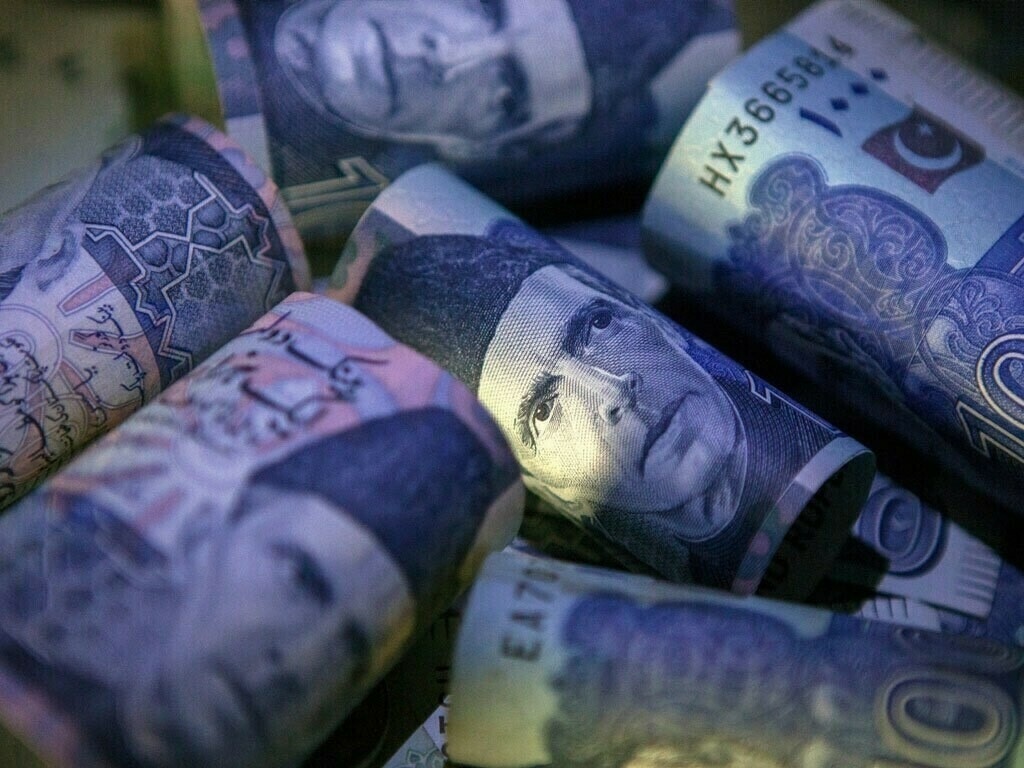

The currency (PKR to USD) is slowly appreciating on a daily basis. Earlier, the voices in the interbank market suggested that there was pressure on the currency, as non-oil imports were picking up while inflows remained stagnant.
However, with recent positive developments from Saudi Arabia, market sentiment has started to shift, and optimism is in the air. A few treasury heads in the interbank market now expect the appreciation to continue.
“Fundamentally, things remain the same, but sentiments are turning positive, and that might dilute pressure in the interbank market for the time being,” said a seasoned treasury officer. In his view, markets tend to reverse with changing sentiments, which eventually translate into actions.
“A few weeks back, exporters were holding off from selling, expecting depreciation. However, after the meeting with the Field Marshal, some exporters came forward to sell,” he added. The mood has shifted significantly since the news from Saudi Arabia, with more exporters now hurrying to book forward positions as they expect further appreciation. Even rice exporters are stepping in, as the realization sinks in that the flood-related losses are far lower than initially feared.
At the same time, importers who were earlier in a rush to buy are slowing down, improving liquidity in the market. Initially, many participants believed the appreciation was primarily due to coercive measures and would soon reverse. Now, however, they see it as a genuine trend.
“Geopolitics play a role. Signs of better days for Pakistan became visible after the May 7 skirmish with India, evidenced by a 30 percent rise in the stock market since then. Now, the currency market is finding comfort too,” said a bullish treasurer.
One treasury head believes there will be strategic implications on the forex side. According to him, GCC countries may no longer insist on IMF involvement for rolling over loans or providing fresh financial support.
“We are putting our blood on the line; they may waive IMF’s approval for financial assistance,” he said excitedly. “Earlier, they were eyeing our assets cheaply in exchange for support; now, they may start giving us money without strings attached. Saudi Arabia may provide oil, and Qatar may revise the lopsided RLNG deal,” he stressed.
“Music is good, for the time being,” summed up another treasury head.
However, not everyone shares this optimism. Some remain concerned about weak economic fundamentals and expect pressure on the currency to persist, even if inflows are sufficient to cover payment needs. They are not convinced that real business or investment sentiment is improving. Still, they expect some relief through deferred oil facilities and loan rescheduling.
BR Research cautiously agrees. While the positive sentiment is welcome, it should not distract from the urgent need for structural economic reforms to break free from the boom-and-bust cycle.
Otherwise, participants may simply jump on the bandwagon and celebrate, without thinking about the inevitable hangover.




















Comments
Comments are closed for this article.