


Finally, Power Div unveils CTBCM
- Competitive Trading Bilateral Contract Market aims to remove misconceptions and bring clarity to the auction of electricity
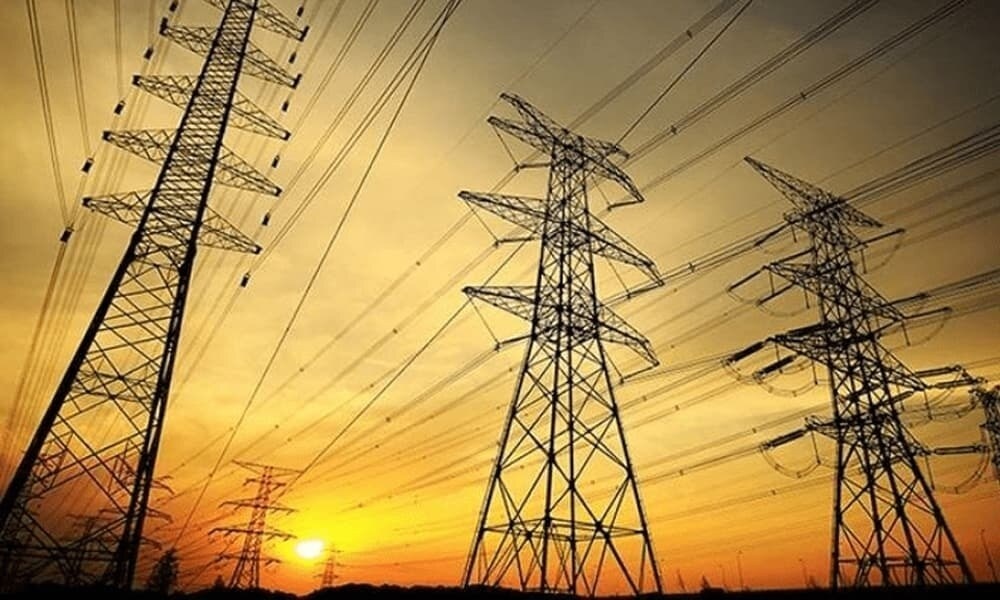

ISLAMABAD: Power Division on Friday formally unveiled the much talked about Competitive Trading Bilateral Contract Market (CTBCM) aimed at removing misconceptions and bring clarity to the auction of electricity, which will establish a transparent electricity market, facing delays for decades.
The Independent System and Market Operator (ISMO), an arm of Power Division shared details of auction framework for 800MW of wheeling demand in a workshop attended by important stakeholders from the public and private sector.
Questions were asked about marginal price and Use of System Charges (UoSC) that contain double counting under various heads as identified in 2023, cost of service and stranded capacity which includes several layers of capacity like grid reserve cost, reserve margin, and optimal component as well as incremental.
CTBCM: Commercial operations may begin by Sept-end
It was argued that the cost of optimal component and grid reserve is the only cost that should be applicable as all else cannot be recovered under UoSC which is already recovered.
One commentator noted that they have been working on this for the last nine years which could have been rolled out in three years; and are now designing an auction that is difficult.
A representative of National Electric Power Regulatory Authority (Nepra), Gul Hasan Bhutto, also raised questions on the draft CTBCM and submitted suggestions to clarity the auction of electricity.
ISMO representative apprised the participants that energy imbalance will be calculated on hourly basis and the result will be consolidated on monthly basis for settlement. System operator will calculate the marginal price of every hour which will be the energy imbalance amount per kWh for that hour.
The procedure was explained step by step. First, companies will need to show that they are eligible: they must be registered, have the required interconnection studies, and in most cases have agreements with bulk power consumers. Those who qualify will then be invited to place bids.
Each bid is expressed as a price in rupees per kilowatt-hour on top of the usual grid charges. ISMO will line up the bids from highest to lowest and keep awarding capacity until the quantum for that round is used up. If there are more bids than capacity, extra bidding rounds will be held to decide the winners.
The speakers also stressed n the obligations after winning. Successful bidders will have to get the necessary licenses, sign contracts, and provide performance guarantees before starting wheeling. They will pay their bid price for one year on the actual energy wheeled, while grid charges and surcharges will still apply.
Anyone failing to meet the commitments could lose their bond or even their allocation. From the way it was presented, this process marks a turning point: access to the grid for private deals will no longer be hidden or negotiated quietly, but decided in open competition.
Federal Minister Sardar Awais Leghari formally inaugurated the workshop related to the competitive process framework.
He argued that CTBCM reforms are a guarantee for Pakistan’s energy future. The foundation has been laid to stabilise electricity prices in the country and provide consumers with electricity at competitive rates. The export sectors will have access to affordable and renewable energy, he said declaring the year 2025-26 as the “Year of Service to Consumers.”
The Minister further stated that the purpose of the workshop is to take another decisive step forward in shaping the future of Pakistan’s power sector.
ISMO has been entrusted with a critical mandate—operating the country’s power system as system operator, administering the competitive electricity market, and leading long-term planning, he said adding that these are ambitious undertakings, but they are fundamental to securing Pakistan’s energy future by transforming how electricity is generated, traded, and delivered nation-wide.
“The government’s vision is very clear. We are committed to building a modern, transparent, and competitive electricity market that ensures affordable, reliable, and sustainable energy for all Pakistanis,” Leghari added.
The Competitive Trading Bilateral Contract Market, or CTBCM, is central to this vision. Drawing on global best practices, CTBCM is designed to bring greater transparency, efficiency, and competitiveness to the sector.
“This is not an experiment. This is a carefully planned reform that has been in the making for years. And now we are turning that vision into practical reality and will make this competitive market operational very soon,” Leghari continued.
The Auction Framework is a cornerstone of CTBCM implementation. Auctions will provide a clear, transparent, and competitive mechanism for allocating 800MW of wheeling demand to market participants, the Minister said adding that by inviting consultation on the auction guidelines and process, the government wants to ensure the final documents reflect stakeholders’ input and enable more effective auctions.
This framework is not only about rules and processes— it is about building trust, encouraging new entrants, and giving consumers real choice. Industrial bulk power consumers will particularly benefit from wheeling arrangements, enabling them to directly procure electricity at competitive prices from the supplier of their choice.
“This reform comes at a critical time. Pakistan is striving to strengthen its economy, boost industrial competitiveness, and create jobs. Reliable and competitively priced electricity is one of the most important enablers of growth,” the Minister maintained.
CTBCM, and particularly the wheeling auction arrangements, will: (i) facilitate the integration of renewable energy sources; (ii) reduce energy costs for industries; and (iii) create opportunities for export-oriented sectors to access green, reliable and affordable power.
He said this reform is therefore not just about the power sector; it is about the economy, the environment, and the wellbeing of our people.
“All market participants, including consumer groups, generators, suppliers and potential investors have valuable insights to share,” the Minister said adding that questions, concerns, and recommendations are essential in shaping a market that is fair, functional, and future oriented.
“We are not imposing a top-down reform. We are building a collaborative framework where every voice matters. I want to assure you that this government and the ISMO are committed to an inclusive approach,” he said.
The Minister acknowledged that reforms of this scale are never without challenges. Market design, technical regulations, and institutional coordination require careful thought and diligent execution.
However, the costs of inaction are much greater. Without reform, inefficiencies will persist, investors will hesitate, and consumers will continue to bear the burden of a system that no longer meets their needs. Therefore, it is collective responsibility, to ensure that Pakistan does not fall behind, but rather, moves confidently towards electricity market liberalization.
Leghari further contended that this reform is not optional, it is essential. The government of Pakistan stands firmly behind the ISMO and Nepra in their mission to operationalize CTBCM and implement the Auction Framework. “We will provide all political and institutional support needed to make this transition successful. Together, we can ensure that this reform delivers on its promise: a power sector that is efficient, transparent, competitive, and capable of fuelling Pakistan’s growth for decades to come,” he concluded.
Copyright Business Recorder, 2025

















Comments
Comments are closed for this article.