



The Regional Reference Laboratory for Polio Eradication at the National Institute of Health (NIH) has confirmed two new cases of polio from South Khyber Pakhtunkhwa, raising Pakistan’s case count this year to 26.
The latest cases were reported from North Waziristan and Lakki Marwat districts, involving a 19-month-old girl from Union Council Mir Ali 2 and an 11-month-old girl from Union Council Suleman Khel, according to a statement.
Of the 26 cases reported so far in 2025, 18 are from Khyber Pakhtunkhwa, six from Sindh, and one each from Punjab and Gilgit-Baltistan.
According to the NIH, 126 environmental (sewage) samples collected in August from 87 districts were tested as part of Pakistan’s polio surveillance system.
Of these, 75 samples were negative, while 51 tested positive for poliovirus. Province-wise, Sindh reported the highest number of positive samples (24), followed by Punjab (14), Khyber Pakhtunkhwa (10), Balochistan (1), Gilgit-Baltistan (1), and Islamabad (1). All three samples from Azad Jammu and Kashmir were negative.
The data show notable improvement in some areas. Balochistan reported only one positive environmental site in July and August, down sharply from 19 in January, while all six sites in the Quetta block were negative.
In Peshawar, five of six sites tested negative in August. Islamabad also recorded progress, with one positive site in August compared to three in July.
Despite these gains, authorities remain concerned over continued detections in southern Khyber Pakhtunkhwa. A special action plan is being implemented under the supervision of the provincial chief secretary to strengthen monitoring, address access issues, and promote community-led initiatives in high-risk areas.
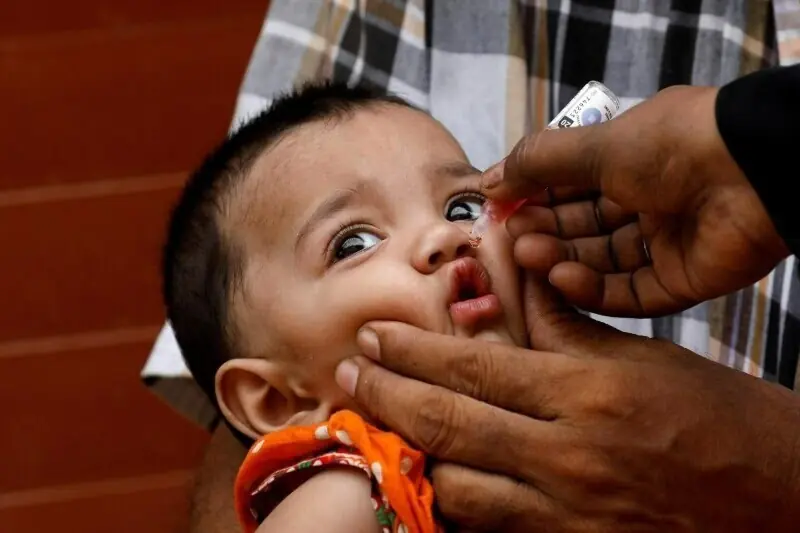
A sub-national vaccination campaign began on September 15 in South Khyber Pakhtunkhwa and will continue until September 18. The drive follows a nationwide campaign earlier this month in which more than 19.8 million children under five were vaccinated.
Polio remains an incurable and highly infectious disease, with repeated doses of the oral polio vaccine the only protection against lifelong paralysis. Authorities have urged parents and caregivers to ensure their children are vaccinated in every campaign.




















Comments
Comments are closed for this article.