



The past week in China was a carefully orchestrated demonstration of power, ambition, and intent. The Shanghai Cooperation Organisation (SCO) Heads of State Summit in Tianjin was swiftly followed by the ‘Victory Day’ military parade in Beijing. The two events—one diplomatic, the other military—were designed to send a singular message: “China is ready to lead a new Eurasian order that combines economic integration with strategic deterrence”.
The two most stunning events mark a turning point in Eurasia’s geopolitics. China is laying the foundation of a parallel order—one that combines finance with force, diplomacy with deterrence.
The message was clear: SCO is the anchor of its Eurasian diplomacy, a platform that rivals Western institutions in both ambition and potential reach. The events stirred the global capitals.
What began two decades ago as a security forum has now evolved into a multi-dimensional platform, with plans for an SCO Development Bank, discussions on digital payment systems, and an expanding agenda on trade corridors and counter-terrorism cooperation.
The ‘Victory Day’ parade unveiled China’s next-generation UAVs, missile systems, and space and cyber warfare capabilities. It was an unmistakable reminder that China’s economic rise is underpinned by a rapidly modernizing military.
For SCO partners, the parade was a reassurance that China has the muscle to back its promises of security and stability. For the US and its allies, it was a warning: China is no longer just a trading powerhouse—it is a strategic force that cannot be ignored or contained.
The sequencing of these events appears intentional. China first offered Eurasia the blueprint for cooperation through SCO, then displayed the military power that secures it. This dual message of development plus deterrence defines Beijing’s geopolitical playbook in times to come. The two put together bring around a defining shift into the world order which, for over seven decades, largely maintained a status quo.
The SCO’s expansion into finance and digital trade, coupled with China’s military assertiveness, accelerates the march toward a multipolar world. If the proposed SCO Development Bank takes shape, it will add to the growing ecosystem of non-Western financial institutions alongside the AIIB and BRICS’ New Development Bank. For Washington and Brussels, this represents a systemic challenge: a parallel financial-security architecture that reduces reliance on the IMF, World Bank, or NATO.
The US response could be twofold: tightening its alliances in the Indo-Pacific (through QUAD and AUKUS) and doubling down on efforts to pull India closer into its orbit. This intensifies the strategic competition that countries like Pakistan must now navigate.
For Pakistan, these developments offer both extraordinary opportunities and sobering challenges. For Pakistan, the SCO summit and parade reaffirm the depth of its partnership with China. As a founding member of SCO and central node of the China–Pakistan Economic Corridor (CPEC), Islamabad has an opportunity to leverage these developments in three ways
Pakistan could access new financing streams through SCO’s emerging financial institutions, potentially easing its chronic debt and foreign exchange pressures. Integration of CPEC into wider SCO corridors would also boost Pakistan’s role as a regional trade hub.
On security cooperation, China’s emphasis on ISR, counter-UAV, and border security technologies aligns with Pakistan’s counter-terrorism needs, especially along its western frontiers.
The emerging challenge for Pakistan is balancing its relationships with US. Although Pakistan claimed confidence that it is on a good way in its balancing act, but this confidence has not yet been put to real test. At the moment it’s all good about minerals, crypto currency and being a favourite in competition with India. Pakistan’s dilemma shall crop up when cornered to choose sides.
Pakistan cannot afford to alienate the US. Washington remains a critical export market, a gatekeeper for IMF financing, and a potential partner in energy transition and digital trade.
For Pakistan, the promise is immense: access to capital, markets, and security support. The peril is equally real: overexposure to Chinese dependency and erosion of ties with Washington.
Copyright Business Recorder, 2025
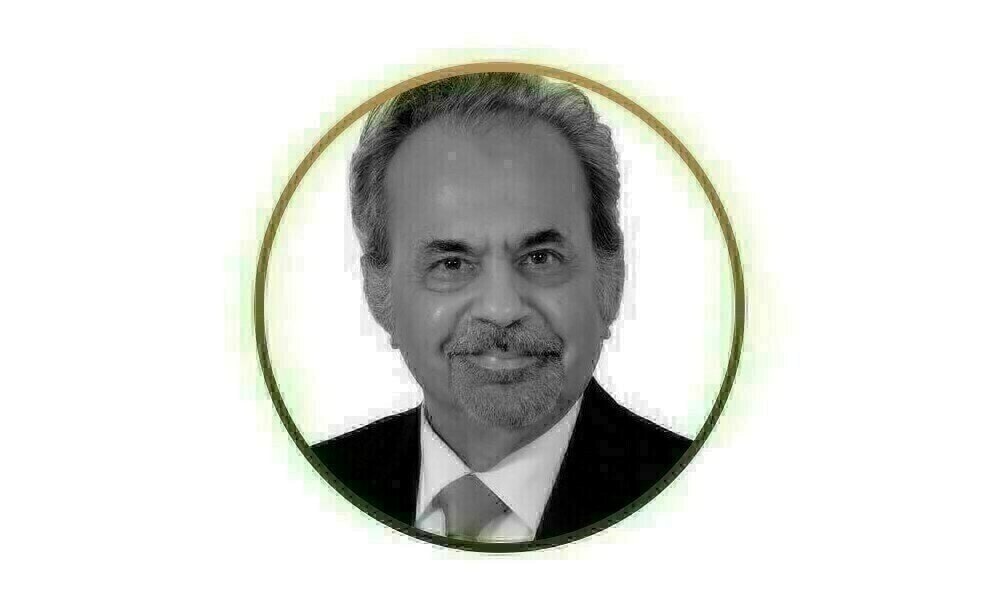
The writer is a former President OICCI; Global Business Leader and Strategic Affairs Analyst






















Comments
Comments are closed for this article.