


PAAPAM voices concerns on proposed tariff policy for FY2025-31
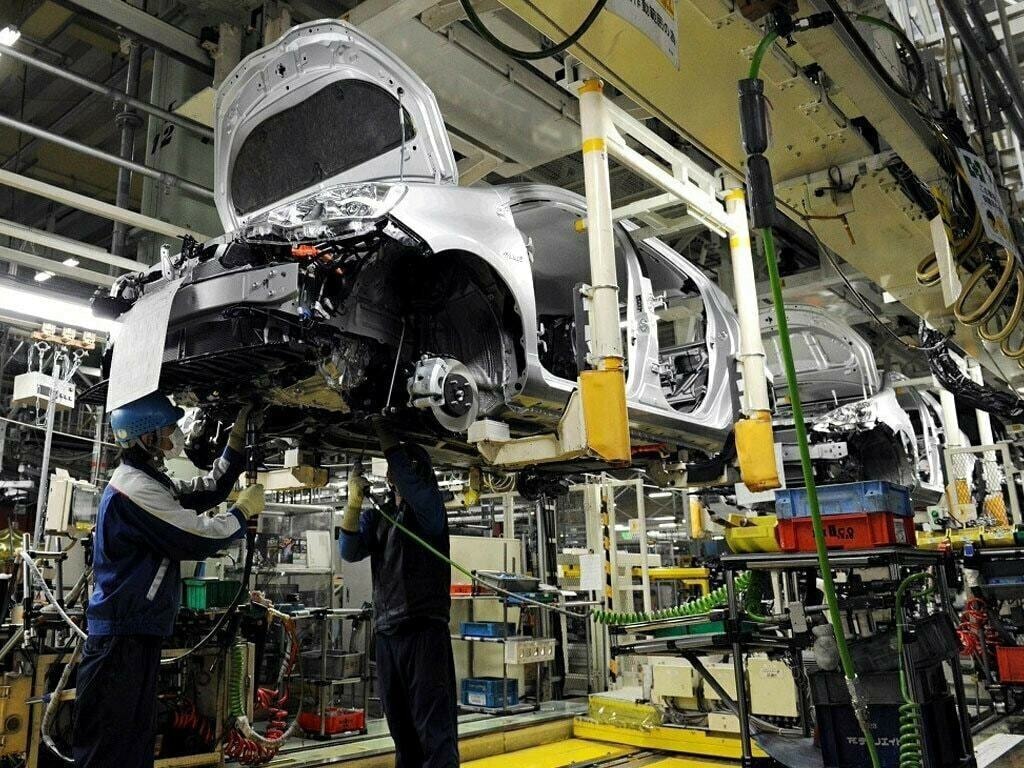

KARACHI: Pakistan Association of Automotive Parts and Accessories Manufacturers (PAAPAM) has raised serious concerns about the proposed tariff policy for Financial Year 2025-31, which aims to reduce import duties to 15 percent under the banner of trade liberalisation and barrier removal.
The local auto parts manufacturers have urgently called upon the Ministry of Commerce to establish a fact-finding mission to assess the ground realities facing Pakistan's struggling auto parts industry.
“They are going for commercial imports of used cars. Not a single vehicle manufacturing country in the world opened used car imports,” said Shehryar Qadir, Senior Vice Chairman of PAAPAM.
“If duties are to be reduced and imports are to be allowed, it seems there is no need of auto parts manufacturing industry in Pakistan as all OEMs will be importing cars on 15 percent duty after few years.”
The policy change threatens to create massive unemployment, potentially forcing the closure of 1,200 companies that collectively employ 1.8 million people.
These firms manufacture and supply critical components including steel, plastic, rubber, copper, aluminum and auxiliary parts to major car assembly plants operated by Toyota, Honda, Suzuki, Hyundai, Kia, and Changan.
Shehryar highlighted the stark contrast between Pakistan's proposed policy and protective measures adopted by other nations.
India maintains 125 percent tariffs on car imports, while Thailand imposes 80 percent, Indonesia 60 percent, and Vietnam 52 percent to safeguard their respective automotive industries.
“Globally, auto industry is the focus of governments, but in Pakistan, not enough support is being provided for local auto parts industry, despite its huge potential for job creation, import substitution and exports,” Shehryar said.
He emphasised that reforms should be designed to help the growth and development of the public, especially skilled workers in manufacturing plants.
The impact of reduced automotive demand is already evident across the industry.
The under-utilisation capacity of the industry is reflecting serious challenges as the sales plummeted by more than 50 percent to below 150,000 units in the last fiscal year, severely impacting the entire supply chain and creating a ripple effect throughout the manufacturing ecosystem.
The situation has been further complicated by recent budgetary measures that industry leaders view as contradictory to given policy objectives.
The government has increased sales tax on small cars from 12.5 percent to 18 percent, breaking a commitment made under the Automotive Industry Development and Export Policy (AIDEP) 2021-26.
Simultaneously, import taxes on large SUVs were drastically reduced, resulting in price drops of over Rs 20 million per vehicle, which manufacturers argued creating an unfair competitive environment favoring imports over local production.
Copyright Business Recorder, 2025




















Comments
Comments are closed for this article.