


India’s central bank signals preference for keeping current inflation framework
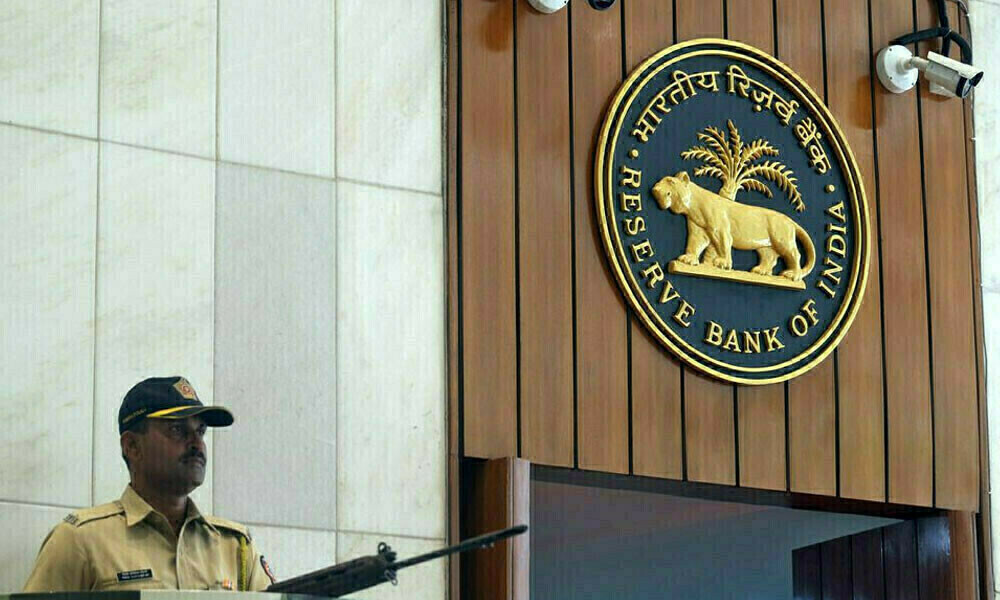

BENGALURU: India’s central bank said on Thursday the current inflation-targeting framework has worked well for the economy and signalled it could be kept intact, as the authority sought stakeholder views on the path ahead in a discussion paper.
With the current framework up for review by April 2026, the Reserve Bank of India (RBI) has sought input on whether 4% remains the optimal inflation target and if the tolerance band of 2 percentage points on either side should be changed or removed.
It has also asked for views on whether the target should remain headline inflation or be changed to core inflation, which excludes volatile food and energy prices.
The news comes a year after a government report urged a re-think of the framework, as food and vegetable prices had caused frequent inflation spikes in recent years. Members of the central bank’s rate-setting panel had then too suggested continuing with the present framework.
Ignoring food inflation “would be tantamount to being oblivious of the cost of living of the poor and its welfare implications,” the RBI paper said on Thursday.
India rate panel says US tariffs key drag on growth, flags benign inflation outlook
Moreover, most countries target headline inflation irrespective of their target level and stage of development, it said. Food inflation and core inflation also converge over time, though the pace depends on “economic circumstance”.
“Justifications for pursuing with the target and the framework stem from the relative success in bringing disinflation as well as flexibility in responding to exogenous shocks,” the paper said.
Raising the inflation target from the current 4% could be interpreted by investors as a dilution of the framework, but on the flip side, bringing down the target may not be seen as credible against the backdrop of rising global food prices, it said.
Removing a specific target and keeping only a band may signal the central bank’s “indifference” towards inflation outcomes, it said.
Analysis included in the paper showed that trend inflation in India has remained close to 4% since the current framework was adopted in 2016.
The final decision on the new framework will be taken by the government in consultation with the RBI.
“The conduct of monetary policy frameworks needs both policy certainty and credibility”, particularly during the current environment of heightened uncertainty, the RBI said.
“It is, therefore, important that the basic tenets of the framework that have been tested and judged to be favourable are continued.”




















Comments
Comments are closed for this article.