


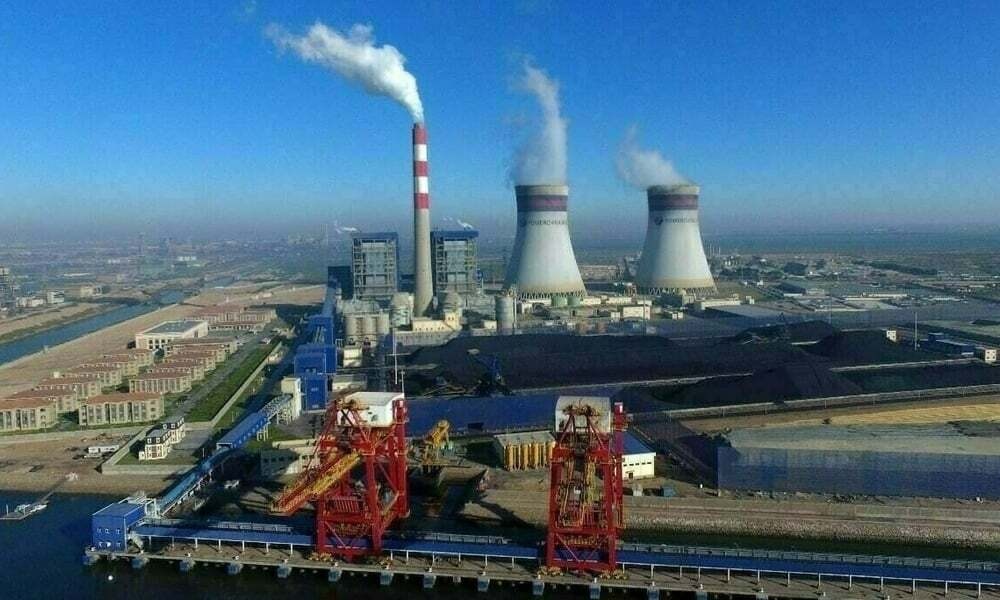

The fate of the Rs1,275 billion power sector circular debt settlement—through refinancing the amount by 18 banks to disburse to the companies in the power sector chain, including Chinese IPPs—is contingent upon Chinese government approval. Authorities are hoping the PM will get the green light during his upcoming visit to China.
The plan has been approved by the IMF on the assumption that all Late Payment Surcharges (LPS) will be waived.
One of the reasons the Fund approved the plan is that it includes a form of rescheduling (or reprofiling) of the power sector debt within CPEC. However, if the Chinese do not agree, chances are the IMF may not entertain any revised plan that excludes the waiving of Chinese LPS.
The Chinese may be reluctant to accept this based on optics. If they allow CPEC loans to be altered, it could set a precedent for the 50-odd other countries under the BRI to ask for relief. Some people say the Chinese may do it for us, as they have done some reprofiling in the case of nuclear power plants (K2 and K3 loans). However, that is a different story, as K2 and K3 are not part of CPEC.
Thus, the widespread view is that the Chinese may not accept the proposal, based on optics, to avoid setting the wrong precedent for other borrowing countries. However, if we get lucky and China agrees to waive full (or partial) LPS, this may come with new—and perhaps harsher—conditions, IMF-style, which will be non-negotiable in the future.
The question is what type of conditions the Chinese may apply, and whether these will be acceptable for us. Sources close to the Chinese say that one requirement could be to open a revolving account for IPPs under CPEC. This would ensure timely payment of all capacity charges going forward, and in case of non-compliance, it might effectively be treated as a default on due payments.
This would mean invoices generated for August 2025 payments must be released within October 2025 to avoid any further delay and prevent additional LPS going forward. In effect, no new circular debt would be created in the future. That would be a tough condition, and given history, it is difficult to commit to payments for the next 10–20 years.
If that happens, the Chinese may start repatriating dividends in large chunks. That would be different from the current situation, where IPPs get unsecured credit against pending payments. There could also be a second condition on the upfront tariff, as well as requirements to ensure the security of Chinese nationals in Pakistan.
Sources say that even with all these conditions, the Chinese may, at best, accept a 50 percent waiver—against the government’s wish for 100 percent. And if the government delays any payment in the future, the waived LPS could become part of the due payments.
That is a slippery slope, as China must keep the overall BRI in mind during negotiations. There will be no carte blanche. Fingers crossed.

























Comments
Comments are closed for this article.