


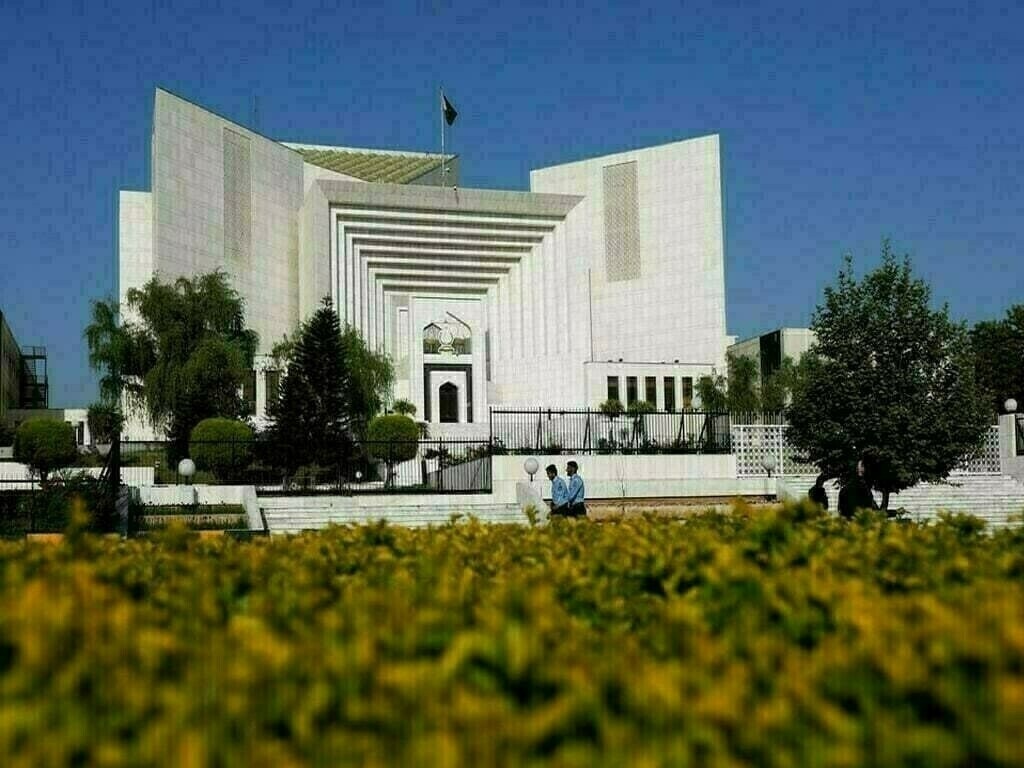

ISLAMABAD: The president Supreme Court Bar Association (SCBA) expressed deep concern over the recent amendments to the Supreme Court Rules, 1980, which were introduced ‘without prior and meaningful consultation with the SCBA’.
SCBA chief Mian Rauf Atta, in a statement issued on Wednesday urged the Supreme Court to review and withdraw the recent increase in court filing fees so as to restore public confidence and uphold the constitutional promise of speedy, inexpensive, and unobstructed justice.
The SCBA remains steadfast in its commitment to the rule of law, judicial independence, and the equal right of all citizens to access justice without financial or procedural barriers, and will continue to safeguard these principles in the national interest.
Atta said that the apex representative body of the legal fraternity, with members across all provinces and territories, the association has a vital institutional role in any reforms to the procedural framework of the Supreme Court. “Introducing such changes in isolation risks weakening the spirit of collaborative decision-making and overlooks the legitimate contribution of the Bar in protecting the integrity and accessibility of the justice system.”
Rauf Atta noted that the substantial and unprecedented increase in court fees and filing charges is excessive and poses serious challenges to the principle of affordable justice. He emphasised that the Supreme Court’s constitutional role is to remain the ultimate forum for the dispensation of justice – not to create financial hurdles that discourage citizens, especially the poor and vulnerable, from exercising their right to seek redress.
Determining or revising such fees is properly within the legislative and the executive domain, and such increases, if disproportionate, risk placing justice beyond the reach of many, contrary to the foundational principles of a democratic legal order.
The SCBA president further highlighted that the dignity, respect, and fair treatment of lawyers, litigants, and all stakeholders must be preserved at every stage of judicial proceedings and within court premises. A fee structure of this magnitude will inevitably increase the overall cost of litigation, making it more difficult for ordinary citizens to pursue their cases. This, he observed, is inconsistent with the constitutional guarantees contained in Article 8 to 39 of the constitution, which require the State to ensure inexpensive, expeditious, and unobstructed justice for all.
Atta also stressed that the Supreme Court should focus on delivering substantive justice through patient and thorough hearings, rather that placing undue emphasis on statistical disposal of cases. True justice is reflected not in the number of cases decided but in the fairness, impartiality, and depth of judicial reasoning. Efficiency should serve the cause of justice, not replace it.
Copyright Business Recorder, 2025

























Comments
Comments are closed for this article.