


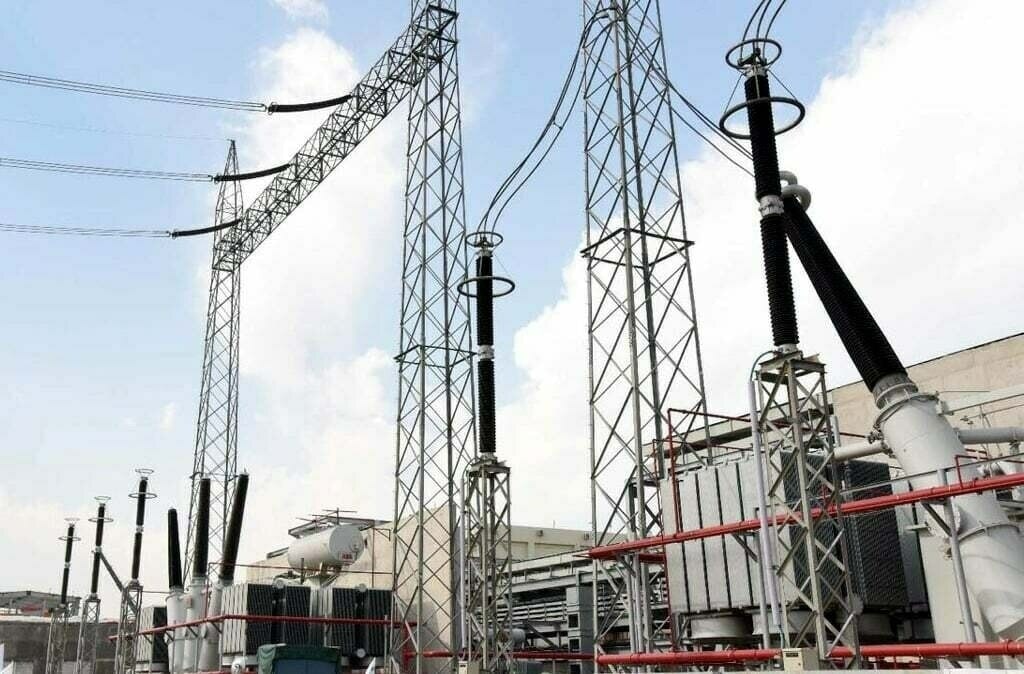
EDITORIAL: Power generation remained almost flat in FY25 and still falls short of the peak achieved in FY22. The benefits from new generation capacity installed over the last five years have yet to materialise.
In FY20, the capacity payment component was Rs7 per unit, which has surged to approximately Rs17.5 per unit today, driven by currency depreciation and rapid solarization. As prices rise, consumption from the grid is falling, increasing the incentive for consumers to partially shift off-grid.
Lower grid consumption is further pushing prices upward; generation remains 6 percent below the reference, adding upward pressure on tariffs this year. Although national electricity demand is rising overall — factoring in increased solar adoption (with and without net metering) — the dependence on the grid continues to decline. This trend will likely intensify as battery prices fall, further driving consumers toward hybrid solar solutions.
Consequently, it is essential to revise net metering rates for new customers to align with global practices and declining solar panel prices. However, the government’s hesitation to amend the net-metering policy is worsening the situation.
Meanwhile, the government is experimenting with other policy measures to stimulate grid-based consumption, primarily by making alternative energy sources costlier for industries. Initially, a substantial levy was imposed on gas, making it uneconomical for captive power users. This encouraged some industrial consumers to reconnect to the grid, while others sought alternatives such as furnace oil (FO). The recent budget addressed this by imposing a hefty petroleum levy (PL) on FO, making it unattractive.
Additionally, the government reduced electricity tariffs by up to Rs7.5/unit in 4QFY25. This tariff reduction, combined with higher summer temperatures, discouraged industrial fuel-switching, and a modest revival in manufacturing led to marginal demand growth in the fourth quarter.
Overall, power generation fell by 2 percent year-on-year during 9MFY25, reaching 90.1 billion units. However, 4QFY25 witnessed a pickup, with generation rising 7 percent year-on-year to 37 billion units. The critical question remains: how long can this trend persist?
The sustainability of this recovery is already challenged by the phased withdrawal of price relief measures and persistently high oil prices. These factors are expected to raise consumer tariffs, negatively affecting demand. Additionally, solar adoption continues rapidly, and the government’s reluctance to adjust net metering policy offers little relief.
Even if policy changes occur, non-net-metered consumers — who represent the largest share— — will remain unaffected. Industrial consumers, increasingly converting daytime demand to solar, will further accelerate solarization as battery costs decline and technology advances.
The main challenge for FY26 is reviving grid-based electricity consumption. The most viable solution involves lowering prices and shifting away from the existing philosophy of full cost recovery. Additional electricity units should be priced at marginal cost, coupled with deregulation of the energy market.
The government has discussed these changes for years. It remains to be seen whether FY26 will bring meaningful reform or simply continue the status quo.
Copyright Business Recorder, 2025




















Comments
Comments are closed for this article.