


WWF-Pakistan seeks complete ban on single-use plastics
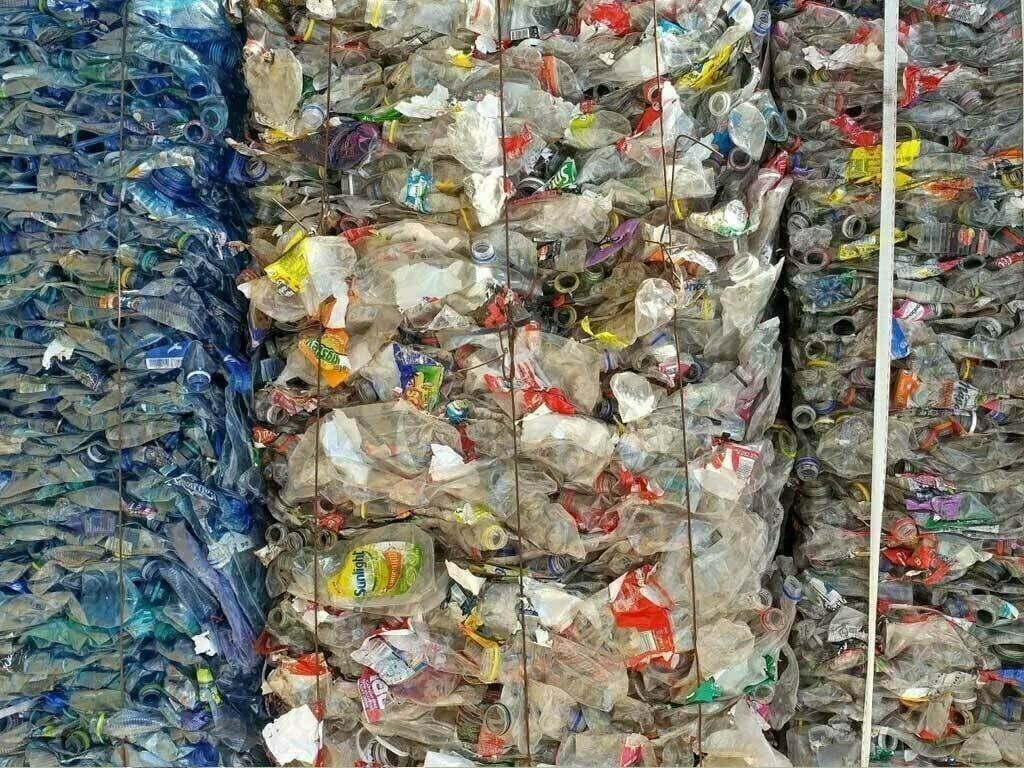

KARACHI: The WWF-Pakistan has urged the government to impose complete ban on single-use plastic production and consumption across the country, warning that plastic waste is aggravating the ongoing climate crisis and turning natural disasters into human tragedies.
The appeal comes in the wake of widespread monsoon rains and flooding that have claimed more than 280 lives and inflicted extensive damage on the economy, infrastructure, and fragile ecosystems.
In a statement issued during the Plastic-Free July campaign on Friday, WWF-Pakistan said that floating plastic waste and poor urban waste management have worsened the flooding in major cities. Plastic debris chokes drainage systems, causing prolonged waterlogging and widespread destruction of roads, bridges, buildings, and essential infrastructure. In areas with limited waste disposal services, the stagnant water has also triggered outbreaks of waterborne diseases, compounding the public health emergency.
Describing plastic pollution as one of the most pressing environmental threats of our time, the organization pointed to a report by the Organization for Economic Cooperation and Development (OECD), which highlights that global plastic production more than doubled between 2000 and 2019 — from 234 million tonnes to 460 million tonnes. If this trajectory continues, it will not only escalate health and ecological risks but also intensify climate change impacts.
Hammad Naqi Khan, Director General of WWF-Pakistan, emphasized the far-reaching consequences of plastic use. He warned that plastics break down into microplastics, contaminating freshwater resources, degrading soil fertility, and entering the food chain. He added that plastic production contributes significantly to greenhouse gas emissions, a factor often overlooked in climate discussions. Khan also expressed concern over the plastic waste originating from upstream regions that flows into the Indus River and eventually reaches the Arabian Sea, harming both freshwater and marine biodiversity.
Microplastics have become a growing concern as they now appear in the air, water, food systems, and even human organs, including the placenta of newborns. In response, WWF-Pakistan has ramped up its advocacy efforts by collaborating with government bodies and civil society to reduce plastic pollution through education, cleanup drives, and sustainable alternatives.
The organization has trained more than 50 women in Karachi and Islamabad to convert hard-to-recycle multilayered plastics into useful products, generating income while reducing waste. In Karachi, WWF-Pakistan has mapped plastic leakage points along the coast and installed a litter boom at the fish harbour, retrieving over 2,500 tons of waste. Its Plastic Bank Initiative has also set up Plastic Recovery Banks in five major universities across the city, encouraging proper waste segregation and recycling through educational campaigns.
The WWF-Pakistan is calling on citizens to reject plastic products and embrace eco-friendly alternatives, noting that systemic change is impossible without public participation. With the country facing increasingly severe climate events, the organization insists that eliminating single-use plastics is not just an environmental issue — it is a national imperative.
Copyright Business Recorder, 2025




















Comments
Comments are closed for this article.