BR100 Increased By (0.11%)
BR30 Decreased By (-0.26%)
KSE100 Increased By (0.12%)
KSE30 Increased By (0.09%)
AGHA 7.79 Increased By ▲ 0.04 (0.52%)
BECO 5.23 Increased By ▲ 0.04 (0.77%)
BML 57.26 Decreased By ▼ -1.40 (-2.39%)
BOP 34.10 Increased By ▲ 0.41 (1.22%)
CNERGY 9.92 Decreased By ▼ -0.69 (-6.5%)
CSIL 5.35 Increased By ▲ 0.05 (0.94%)
FCCL 54.61 Increased By ▲ 0.87 (1.62%)
FFL 16.70 Increased By ▲ 0.24 (1.46%)
FNEL 1.24 Increased By ▲ 0.02 (1.64%)
KEL 7.42 Increased By ▲ 0.14 (1.92%)
KOSM 5.75 Increased By ▲ 0.11 (1.95%)
LOTCHEM 29.35 Decreased By ▼ -0.30 (-1.01%)
MLCF 94.35 Decreased By ▼ -2.01 (-2.09%)
NBP 202.70 Decreased By ▼ -0.83 (-0.41%)
NCPL 57.00 Increased By ▲ 0.15 (0.26%)
NPL 67.78 Increased By ▲ 0.47 (0.7%)
OGDC 316.40 Decreased By ▼ -1.82 (-0.57%)
PACE 10.64 Increased By ▲ 0.01 (0.09%)
PAEL 43.15 Increased By ▲ 1.38 (3.3%)
PIBTL 16.72 Decreased By ▼ -0.09 (-0.54%)
PPL 220.50 Increased By ▲ 0.33 (0.15%)
PRL 49.05 No Change ▼ 0.00 (0%)
PTC 70.98 Increased By ▲ 0.97 (1.39%)
SSGC 28.17 Decreased By ▼ -0.97 (-3.33%)
TBL 9.90 Increased By ▲ 0.13 (1.33%)
TELE 8.80 Decreased By ▼ -0.02 (-0.23%)
TPL 18.14 Increased By ▲ 0.97 (5.65%)
TPLP 13.40 Increased By ▲ 0.89 (7.11%)
TREET 22.75 Increased By ▲ 0.16 (0.71%)
TRG 60.30 Increased By ▲ 0.08 (0.13%)
By

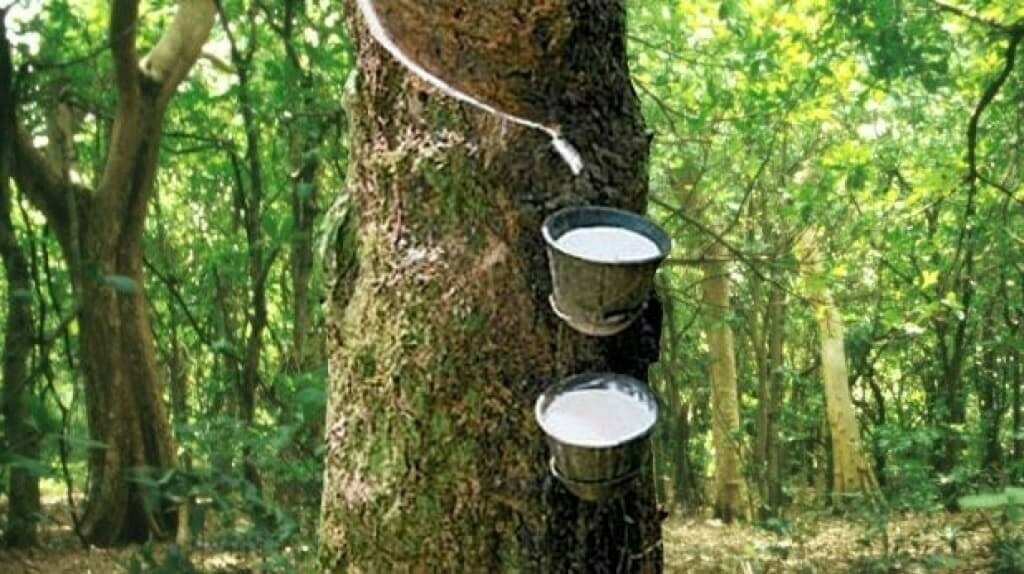
SINGAPORE: Japanese rubber futures fell across all exchanges on Thursday as traders booked profits after last week’s rally, while fresh US tariffs on South Korean autos and weak manufacturing data weighed.

The Osaka Exchange (OSE) rubber contract for January delivery was down 7.2 yen, or 2.23%, at 315.5 yen ($2.12) per kg. The rubber contract on the Shanghai Futures Exchange (SHFE) for September delivery fell 435 yuan, or 2.9%, to 14,560 yuan ($2,024.64) per metric ton. The most active September butadiene rubber contract on the SHFE dipped 340 yuan, or 2.87%, to 11,495 yuan ($1,598.44) per metric ton.

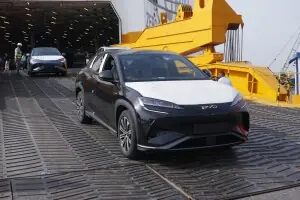
In the latest round of US tariffs announced by US President Donald Trump, South Korean automobile exports will face a 15% tariff. Although this rate is lower than the 25% tariff threatened in April, South Korea previously enjoyed zero tariffs on its automobile exports to the US, whereas Japanese automakers had a 2.5% tariff.

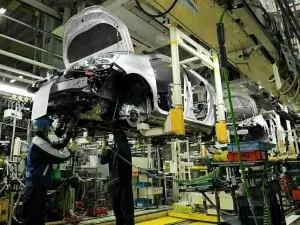
Automobile sales could influence the intensity of automobile manufacturing, which involves using rubber-made tyres.
Comments

Comments are closed for this article.