


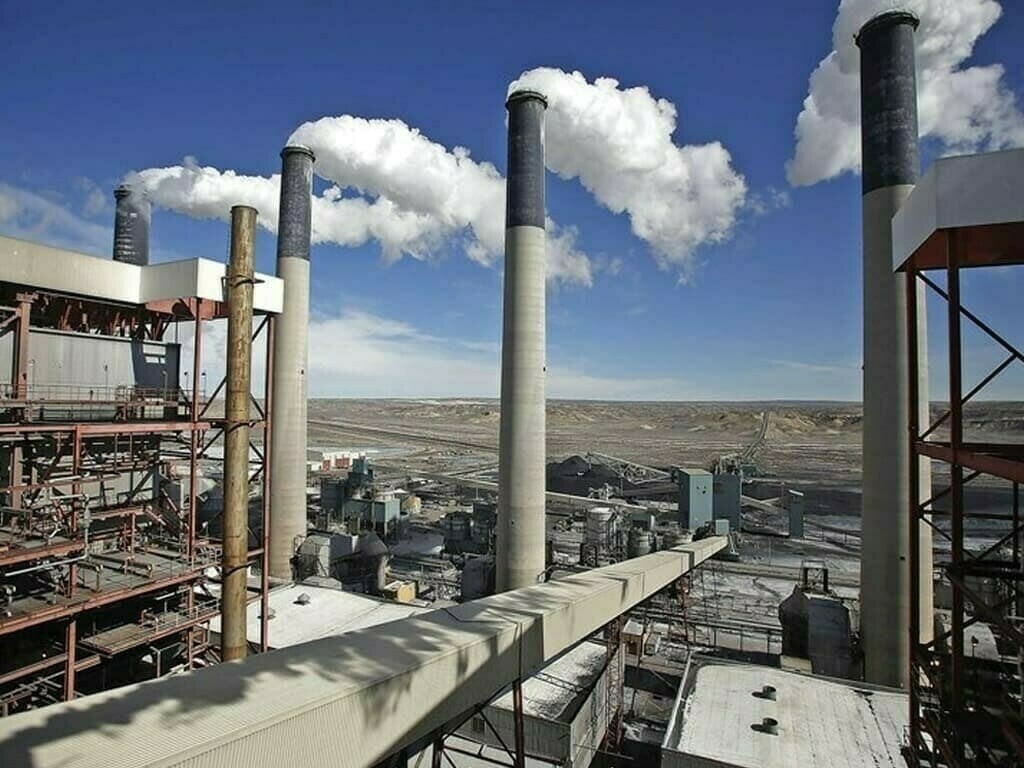
EDITORIAL: The energy sector’s complex web is becoming increasingly difficult to manage as authorities continue to attempt to solve issues in silos, an approach that only complicates the problems. Currently, the Energy Task Force (ETF) and the Power and Petroleum Divisions are developing their own solutions without considering their interconnectivity and interdependence.
With the power sector’s push, backed by the IMF, captive power plants are being subjected to hefty levies on gas consumption. The objective is to transition industrial consumers to the grid, which is being partially achieved. The logical consequence should have been a higher off-take of RLNG by the power sector, but that is not happening, leaving expensive gas unused, which contributes to the circular debt of gas, excessive pressure on the pipelines, and lower off-take of cheap domestic gas.
Reportedly, when the Petroleum Division urged the Power Division to increase its intake of RLNG, the minister replied that it would not commit a grave sin (gunnah-e-kabeera) by violating the economic merit order (EMO). The minister was behaving like a principled man, but such discipline was regrettably found lacking when the levy imposed (at peak rates for the entire day) was even higher than what the IMF had prescribed.
The Discos (working under the Power Division) are being blamed for Rs 240 billion of overbilling to poor consumers, who are already paying for the inefficiencies of the government. The minister is silent on this issue that is beginning to become increasingly conspicuous.
This selective amnesia does not stop here. The power minister is pushing his petroleum counterpart to review RLNG buying contracts with Qatar, asking to emulate what the Power Division has done with the IPPs.
How naïve is it to even suggest this remedy. First, it would be tantamount to openly disregarding the sanctity of sovereign contracts. Second, it tends to advocate and normalise coercive actions that were employed against local IPP owners, a stance that has severely undermined investor confidence. Third, it demands breaking contractual commitments with international investors, despite the Power Division and ETF’s own failures — even they could not persuade Chinese IPPs to waive the late payment interest (LPI) on outstanding dues, casting uncertainty over the Rs 1.3 trillion circular debt reduction plan.
And the cherry on the top is that EMO that is being termed ‘holy’ while others are being advised to violate (or revise) sovereign contracts. Not only is buying RLNG from Qatar a necessity, but running RLNG plants to a specific limit is also necessary.
It is a problem of double standards and a lack of understanding of the core issues. What the government is required to focus on is why the power demand is falling, as the off-take from the grid is still 11 percent shy of its peak in FY22. The need is to address the issue of solar net metering — where rates should be revised by adjusting solar pricing for new net metering contracts (with no change in existing rates) — has been identified, yet the necessary action has not been taken.
The power ministry fears a public backlash over solar net metering, while the public is being cheated by entities under its domain by engaging in overbilling at the same time. Suffice it to say that the direly needed clarity of thought and objectivity in the solutions being proposed are simply missing.
Copyright Business Recorder, 2025




















Comments
Comments are closed for this article.