


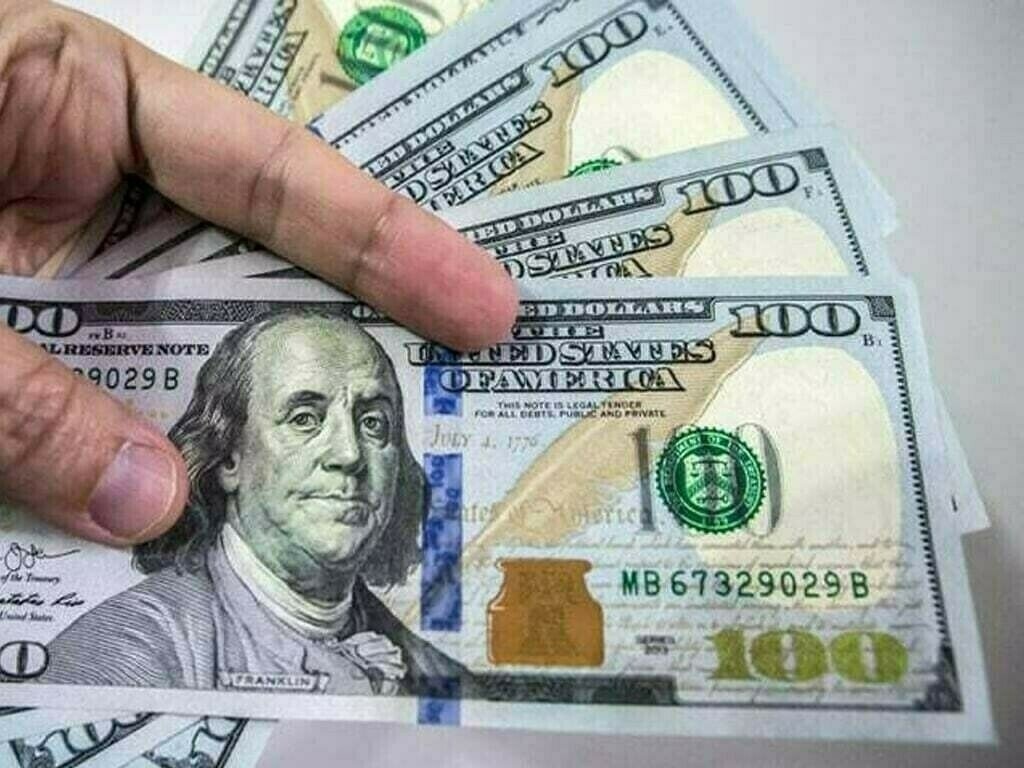

NEW YORK: The dollar slid on Tuesday, with the yen one of the major gainers versus the greenback, as investors tracked talks ahead of an August 1 deadline that could bring steep tariffs on products of US trading partners that fail to strike deals.
Trading was mostly subdued, with the Japanese currency advancing for a second straight session following results from a weekend upper house election in Japan that had already been priced in. The focus has shifted to how quickly Tokyo can strike a trade deal with Washington as well as on Prime Minister Shigeru Ishiba’s future at the helm.
In late morning trading, the dollar fell 0.7% to 146.36 yen , having fallen more than 1% on Monday following the weekend election and a public holiday. The US currency has retreated for two straight sessions against the yen.
With little over a week to go before August 1, US Treasury Secretary Scott Bessent said on Monday the administration is more concerned with the quality of trade agreements than their timing.
Asked whether the deadline could be extended for countries engaged in productive talks with Washington, Bessent said President Donald Trump would make that decision.
“Markets are...looking through that noise (August 1 tariff deadline) until something actually definitive happens,” said Brad Bechtel, global head of FX, at Jefferies in New York.
“And a lot of the data has actually been looking okay even with all the tariffs, at least those that have been implemented already.”
Uncertainty over the eventual state of tariffs globally has been a huge overhang for the foreign exchange market, leaving currencies trading in a tight range for the most part, even as stocks on Wall Street have scaled fresh highs.
The dollar index, a gauge of its value against a basket of currencies, slipped 0.3% to 97.545, having weakened around 0.6% on Monday.
The euro edged up 0.2% to $1.1725, with the European Central Bank also in the mix this week for central bank meetings. It is not expected to adjust euro zone interest rates, however.
A deal between the European Union, which could face 30% tariffs from August 1, and the United States remains elusive. EU diplomats said on Monday they were exploring a broader set of possible counter-measures given fading prospects for an agreement.
“The Trump administration has shown little tolerance for retaliatory measures, and there is a risk this could spiral (even if temporarily) into a tit-for-tat tariff escalation,” wrote Francesco Pesole, currency strategist, at ING in a research note.
“The euro’s ability to maintain preference over the dollar amid tariff tensions will depend on the extent of any escalation and whether the EU emerges as a relative loser while other countries secure significant deals with the US,” he added.
Also weighing on investors’ minds were worries about Federal Reserve independence, given Trump has repeatedly railed against Chair Jerome Powell and urged him to resign because of the central bank’s reluctance to cut interest rates.
“Our base case remains that solid US data and a tariff-driven rebound in inflation will keep the FOMC on hold into 2026, and that the resulting shift in interest rate differentials will drive a continued rebound in the dollar in the next few months,” said Jonas Goltermann, deputy chief markets economist at Capital Economics.




















Comments
Comments are closed for this article.