


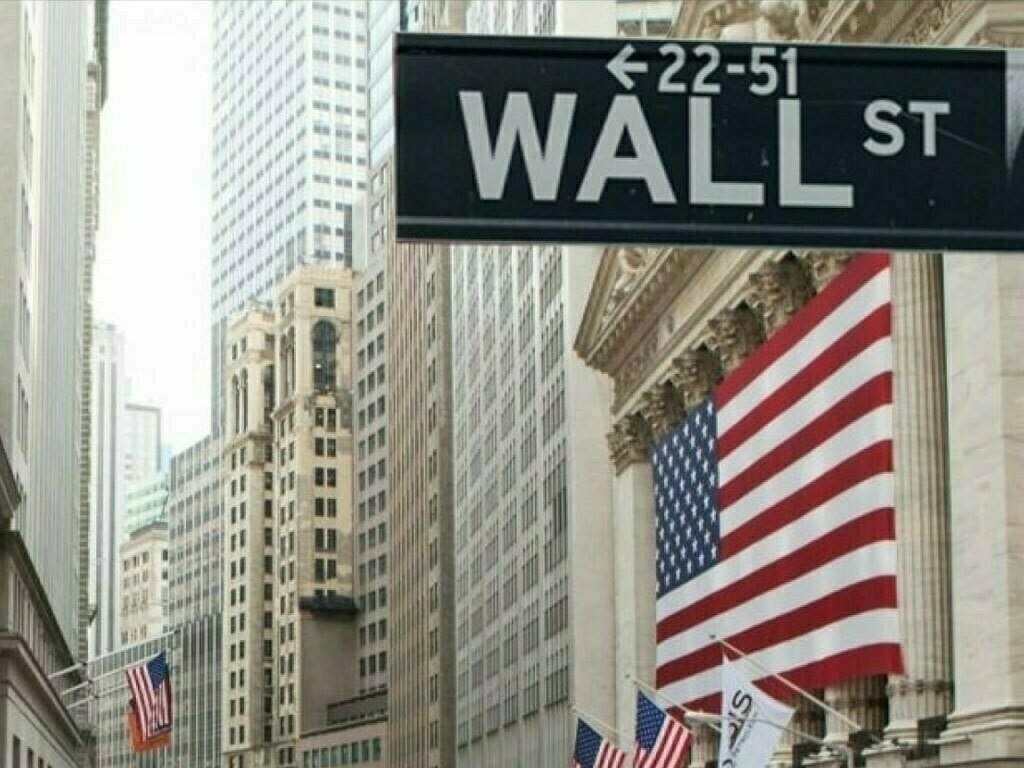

NEW YORK: Wall Street’s main indexes ticked up on Wednesday as Nvidia rocketed to a $4 trillion valuation, while investors took in their stride President Donald Trump’s latest tariff salvo.
Nvidia rose 2% and became the first company in the world to hit a $4 trillion market value, solidifying its position as one of Wall Street’s most favored stocks to tap in the ongoing surge in demand for AI technologies.
“It highlights the fact that Nvidia is sort of the backbone of artificial intelligence infrastructure and it is indicative of the revolution that’s going on in technology. I believe that there’s still more upside in the stock,” said Robert Pavlik, senior portfolio manager at Dakota Wealth.
At 11:25 a.m. ET, the Dow Jones Industrial Average rose 28.16 points, or 0.06%, to 44,268.92, the S&P 500 gained 15.29 points, or 0.24%, to 6,240.73 and the Nasdaq Composite was up 111.90 points, or 0.55%, to 20,530.36. Six of 11 S&P sectors clocked gains, with the technology index rising 0.44% and communication services leading by 1.3%.
Trump ramped up his trade offensive on Tuesday, announcing a 50% tariff on copper and vowing to slap long-threatened levies on semiconductors and pharmaceuticals.
This came just a day after he jolted 14 trading partners with a fresh wave of tariff warnings, and said that at least seven new notices would drop later in the day.
Markets’ reaction have been relatively stable with analysts noting that investors have become used to Trump’s pattern of saber-rattling on tariffs, and that the White House will potentially back down from its most aggressive threats.
With the deadline for new tariffs pushed to August 1, investors are betting that negotiations will defuse the risk of a full-blown trade war.
“The tariff issue continues to be this sort of seesaw and because of that back-and-forth, it obviously has given investors a bit of a calm,” said Philip Blancato, chief market strategist at Osaic Wealth.
The European Union said it could reach an outline trade agreement with the US in the coming days.
Meanwhile, after last week’s record closes for the S&P 500 and the Nasdaq - buoyed by a surprisingly robust jobs report -investors are turning their attention to Thursday’s initial jobless claims for the next pulse check on the labor market.
Traders will also parse through the minutes from the Federal Reserve’s June meeting, due at 2:00 p.m. ET, for any hints about when policymakers might resume easing rates.
While a July rate reduction is almost fully ruled out, the odds of a September cut stand at about 64%, according to CME Group’s FedWatch tool.
Trump’s erratic tariff actions have sparked concerns about global growth and inflation, while also complicating the work of the Fed, which has adopted a wait-and-see approach on monetary policy.























Comments
Comments are closed for this article.