


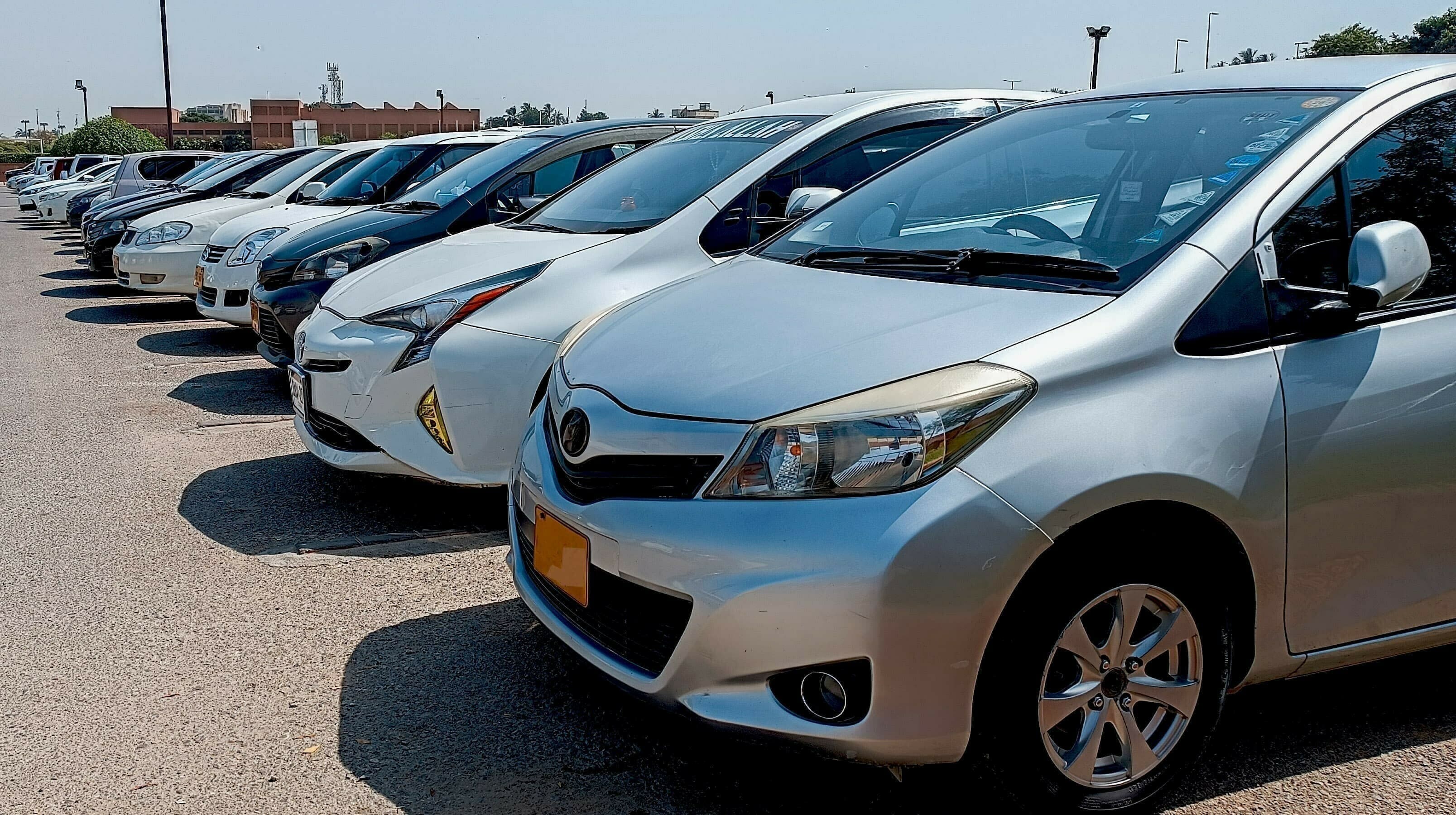

ISLAMABAD: In the outgoing financial year, the motor vehicle tax increased by more than 100 percent in both urban and rural areas.
The statistics released by Pakistan Bureau of Statistics (PBS) shows that the motor vehicle tax increased by 169 percent and 127 percent in urban and rural areas, respectively.
In urban areas, water supply charges was up by 15 per cent, liquefied hydrocarbons by 14 per cent, house hold textiles 14 per cent and drugs and medicines by 13 per cent in 2014-15; whereas electricity charges showed a decline of 30 per cent, textbooks 7.8 per cent, and motor fuel a cut by 1.9 per cent.
In rural areas, the motor vehicle tax substantially increased by 127 per cent, dental services by 27 per cent, drugs and medicines by 15.3 per cent, recreation and culture by 13.2 per cent, doctor clinic fee by 12.8 per cent and education by 12.8 per cent. On the other hand, electricity charges were reduced by 30.2 per cent, textbooks by 11 per cent and motor fuels by 2.6 per cent.
It may be mentioned here that compared to CPI of 3.5 per cent, the non-food non-energy inflation despite showing decline, in urban areas was still on a higher side with 6.9 per cent and in rural areas it was even higher at 8.6 per cent in FY25.
The State Bank in its last Monetary Policy Statement acknowledged the fact that the core inflation (non food-non energy) declined marginally. In the statement it was further mentioned that the headline inflation increased to 3.5 per cent y/y in May from 0.3 per cent in April.
This reversal largely reflected the phasing out of the favourable base effect from food prices, along with persistence in core inflation. The central bank projected that some near-term volatility in inflation is expected, before it gradually inches up and stabilises within the 5–7 per cent target range and because of this it has kept the policy rate unchanged at 11 per cent. This outlook; however, remains subject to multiple risks emanating from potential supply-chain disruptions from regional geopolitical conflicts, volatility in oil and other commodity prices, and the timing and magnitude of domestic energy price adjustments.
Experts believe that the government’s heavy reliance on indirect taxes does not allow substantial reduction in core inflation despite sharp decline in energy prices and stable exchange rate. Though the Federal Board of Revenue (FBR) has claimed that the share indirect taxes are around 60 per cent and 40 per cent of direct taxes, the experts are of view that indirect taxes account for 80 per cent of the revenue collection. They say contrary to FBR interpretation, withholding tax falls in the category of indirect taxes because the end-consumer eventually has to pay it.
Experts say in the ongoing fiscal year the government instead of broadening the tax net, further increased the indirect taxes which further burdened the common man and is likely to increase their cost of living.
Copyright Business Recorder, 2025




















Comments
Comments are closed for this article.