


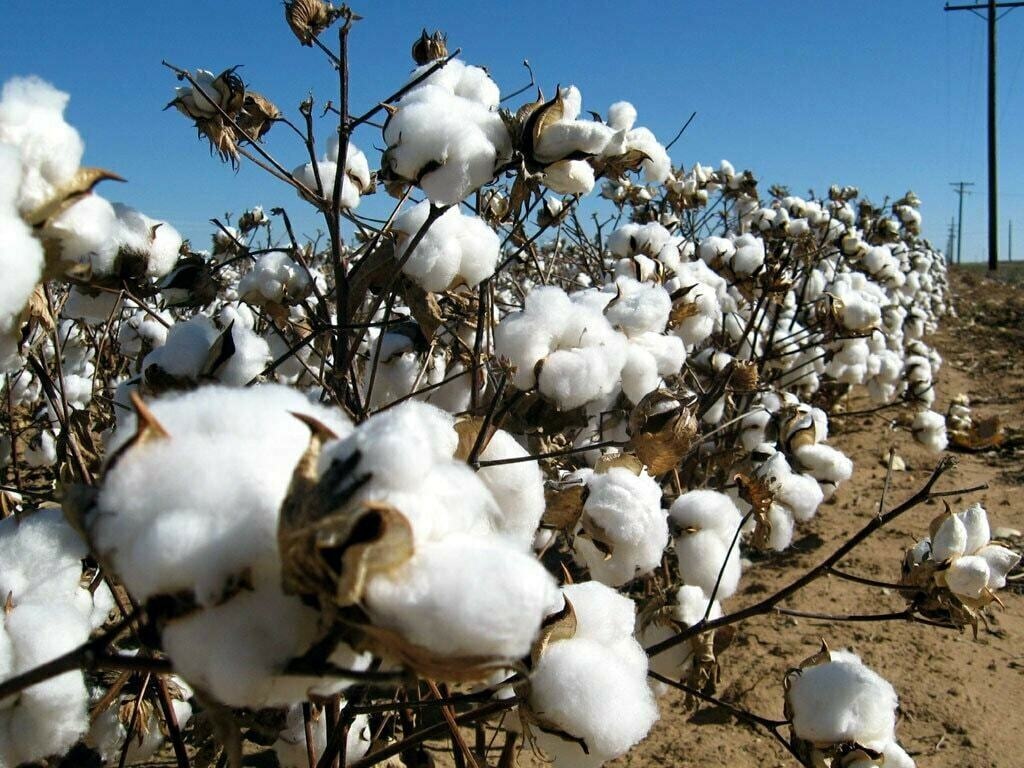

LAHORE: After decades of stagnation, Pakistan’s cotton sector is poised for a turnaround as hybrid cotton has been allowed and with large-scale field trials underway this year across Sindh and Punjab, industry experts project that hybrid cotton could drive a full recovery of Pakistan’s cotton production within three to four years.
For more than 50 years, the local industry lacked access to hybrid cotton technology despite regulatory approval being granted as far back as 2010. Now, with the regulatory bottlenecks removed, Pakistan can take benefit of experience from global leaders such as China, the U.S., Uzbekistan, India and Ethiopia.
Shahzad Ali Malik, CEO of Guard Agricultural Research and Services (Pvt.) Limited, told Business Recorder that they are conducting hybrid cotton trials on 125 acres nationwide, including Upper and Lower Sindh and the southern part of Punjab province. Each participating farmer is cultivating one-acre plots, with seed provided at a 50% discount. “Our initial target was to bring 750 acres of land under trial, but the ban was lifted late, and sowing had almost been completed across the country. Out of the 125 acres currently under cultivation, 60 acres are in Punjab and the rest in Sindh. One-acre plot were chosen to assess the performance of the varieties under diverse weather conditions and soil types,” he explained.
He said they had also carried out hybrid cotton trials in 2007, but with current higher temperatures and erratic weather patterns, they are now conducting fresh trials of varieties imported from Ethiopia. “We recorded 85 percent higher production with these varieties in 2007, but the programme could not proceed further due to a ban on the import of hybrid cotton varieties. That ban has recently been lifted by the government. I’m grateful that the present government not only listened to my presentation on cotton in a recent meeting chaired by the Prime Minister but also made a positive decision within two months based on my recommendations,” he added.
Initial field data is promising: although plant populations for hybrid varieties are lower (8,500 plants per acre vs. 17,000 in traditional varieties), boll formation is significantly higher, with averages of 250 to 300 bolls per plant; a marked improvement over the previous average of 150 to 200, he remarked.
Replying to various queries, he said now the ball is in the court of private sector companies. Just as they introduced hybrid varieties of rice and maize and achieved record production, they should now promote hybrid cotton to create a win-win situation for themselves, for growers in the form of higher incomes, and for the country through increased cotton production. He added that they have so far spent over Rs 210–220 million on cotton seed research to maintain the reputation they earned by introducing high-yielding hybrid rice varieties.
Industry leaders believe that with continued investment and strategic alignment with global best practices, Pakistan’s cotton sector - a vital contributor to exports and rural employment - could soon be restored to its former strength.
Copyright Business Recorder, 2025




















Comments
Comments are closed for this article.