


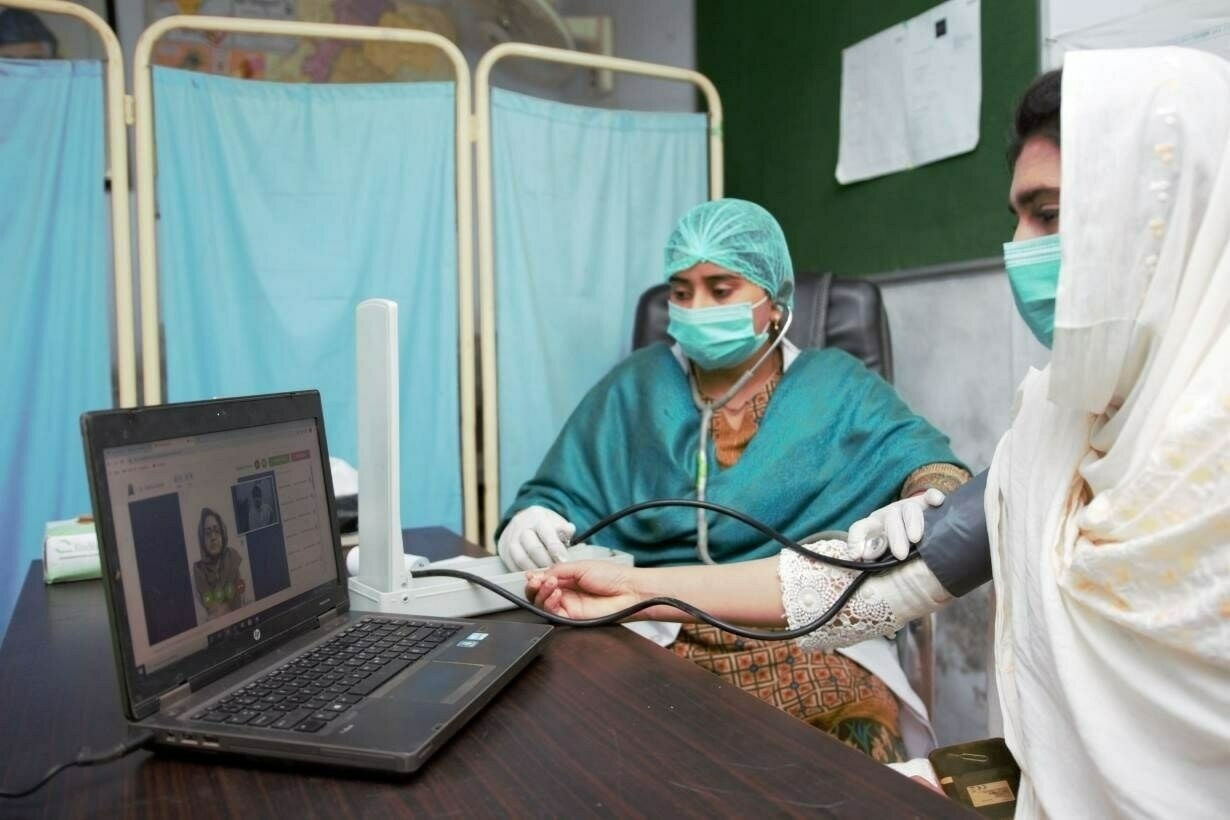

KARACHI: A severe shortage of trained and qualified female gastroenterologists in Pakistan is contributing to delayed diagnoses and poor health outcomes for women suffering from gastrointestinal and liver diseases, as many are reluctant to consult male doctors due to cultural and social barriers.
This concern was raised on the second day of the 7th Annual Conference of the Pakistan GI and Liver Disease Society (PGLDS), where experts warned that women across rural and urban areas are silently enduring serious health issues that are often diagnosed too late for effective treatment.
They called for a national colorectal cancer screening program, especially for women, who due to the sensitivities involved and lack of female doctors, frequently present in advanced stages when treatment becomes more difficult.
Speaking at the conference here at Liaquat National Hospital’s convention centre, local and international specialists called for urgent public health reforms, including screening programs, dietary awareness, and structural changes in homes and schools to prevent a looming health crisis.
Dr Lubna Kamani, President of PGLDS, reiterated the call for early detection and lifestyle change. “We are facing a tsunami of fatty liver, hepatitis C, and colorectal cancer. It’s time people took screening seriously. Medicines for Hepatitis B and C are available in Pakistan, but most people do not know they are infected. We urge everyone to get tested and follow medical advice.”
Without national programs for screening and chronic illness prevention, she warned, the health system will collapse under the weight of non-communicable diseases.
Dr Nazish Butt, a senior member of PGLDS, emphasised the rising burden of obesity and gut health issues in women. She noted that poor diets, sedentary routines, and hormonal factors were making women more vulnerable to gastrointestinal and liver disorders. “We are seeing more young women with advanced liver disease and GI cancers because they delay seeking help.”
Dr Sajjad Jamil, Secretary General of PGLDS, blamed obesity as the “mother of all illnesses” and criticised the country’s deteriorating dietary culture. “Children start consuming sugary drinks, processed meat and junk food from an early age. There’s no physical activity in schools, no playgrounds, and too much screen time. We are nurturing disease.”
He demanded immediate implementation of a national colorectal cancer screening program and school-based awareness campaigns promoting healthy eating and exercise.
International experts highlighted the importance of preventive approaches. South Korean expert Prof Eun Young Kim shared how her country controls liver and GI diseases through regular screenings, national health insurance, and diet and activity awareness. “What we see here is preventable. Governments must invest in health promotion, not just treatment.”
Dr Shahid Ahmed, Patron of PGLDS, said the conference aimed to equip local healthcare professionals with updated knowledge and treatment options. “We’ve invited experts from South Korea, Turkey, South Africa and beyond to present and train our young doctors on how the world is addressing these diseases.”
Copyright Business Recorder, 2025
























Comments
Comments are closed for this article.