


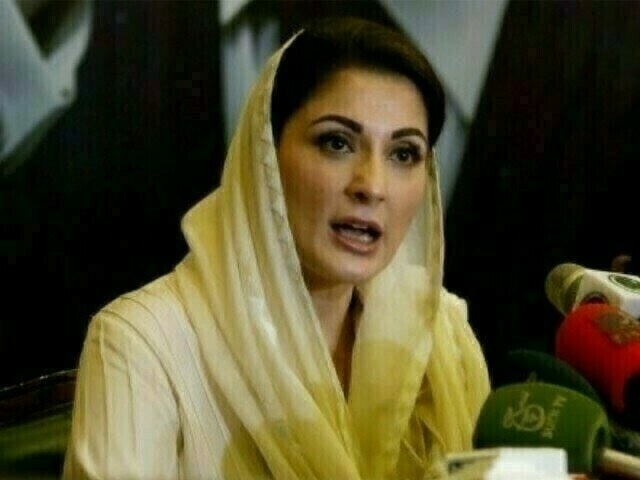
EDITORIAL: Punjab Chief Minister Maryam Nawaz has launched the second phase of her government’s Clinics-on-Wheels project. In a healthcare system fraught with delayed diagnosis and overburdened hospitals this can be a path-breaking initiative, particularly for the role mobile health units are to play in detecting and preventing disease before it takes root.
The 911 mobile clinics spread all across Punjab represent one of the most practical and impactful ways for addressing public health issues, especially in underserved and remote areas. As the CM explained, one of the most important contributions these clinics are to make is through early screening and timely diagnosis.
We all know that detecting health issues in their early stages allows for timely intervention, lessening both suffering and long-term therapeutic costs. Yet many chronic but treatable diseases such as hypertension, diabetes, hepatitis, and certain cancers remain undetected until they cause complications.
More often than not, those affected belong to low income groups or rural communities with little or no access to primary care, not to mention tertiary health services. Offering routine screenings and basic diagnostics right at the doorstep, mobile clinics can enable early identification of at risk individuals, and deliver free of cost treatment, too.
Another major area where Clinics-on-Wheels are set to make a crucial contribution is vaccination and immunisation, integral to infectious disease prevention and control. By bringing vaccines directly into communities, especially those living in far-flung areas, mobile units can maximize immunisation coverage, reducing the spread of communicable diseases by achieving broader health goals, like ‘herd immunity’ (think of Covid-19 and poliovirus). Yet another area that stands to benefit from the project is maternal and child health.
Mobile clinics are to provide antenatal checkups, nutritional guidance, and safe delivery referrals— all of which play a useful role in preventing complications during pregnancy and childbirth. Postnatal services include checkups and immunisation for the newborns, thereby protecting the babies against long-term health issues.
Last but not the least, these mobile clinics can become a great source for collecting data about common illnesses, vaccination rates, and nutritional deficiencies, helping relevant authorities make informed policy decisions regarding old/ new health threats.
Dwelling on the related issue of corrupt practices involving free of cost medicines Maryam Nawaz mentioned having seen cartons of medicines lying in hospitals stores and the patients being denied free medicines. To guard against the problem she said “no doctor in any hospital can order [patients or their attendants to buy] medicines from outside.”
There is a simpler yet more effective way of stopping such malpractices, which is to have all medicines purchased for government hospitals stamped “NOT FOR Sale.” One can only hope the Punjab government’s Clinics-on-Wheels initiative serves as a successful role model for all provinces in building a healthier and equitable system, wherein prevention truly becomes better than cure.
Copyright Business Recorder, 2025




















Comments
Comments are closed for this article.