


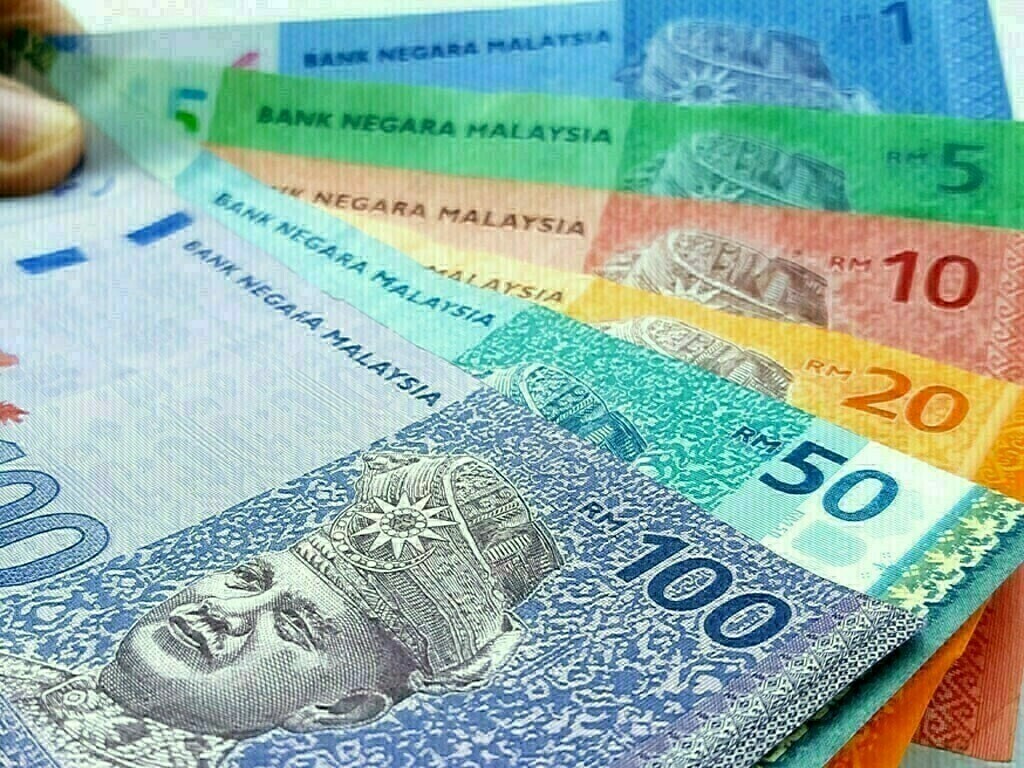
Asian currencies were broadly higher on Tuesday as persistent concerns about US fiscal health and President Donald Trump’s erratic trade policies led investors to continue shunning the dollar.
Malaysia’s ringgit and Taiwan’s dollar gained up to 0.4% each to trade at their highest levels in three weeks.
The Taiwanese currency is on course to log its best monthly performance on record, buoyed by a historic 6% spike over two days in early May.
The surge was fuelled by speculation that the country had agreed to allow its currency to strengthen as part of an upcoming trade deal with Washington - a claim denied by the central bank and the president.
The gains also come in light of broader weakness in the greenback with the dollar index heading for a fifth straight month of declines against a basket of currencies, which would mark the longest such losing streak since 2017.
Trump’s policy reversals and his sweeping spending and tax-cut bill, currently moving through legislation, have turned investors off US assets. In the latest example, two days after threatening to slap 50% tariffs on imports from the European Union next month, Trump restored a July 9 deadline for talks.
“There are three major things driving not just Asia but global markets at the moment: concerns about US debt and deficits, trade deals and the diversification away from the dollar,” said Michael Wan, a senior currency analyst at MUFG.
Asian currencies rise as US fiscal woes weigh on dollar
“The big picture is that US assets are reasonably overvalued, and there has been a build-up of these assets overtime which could impact the general flow of assets moving forward.”
Singapore’s dollar added 0.2% on Tuesday and was on track for its fifth consecutive monthly gain.
The South Korean won appreciated 0.2%. It has gained more than 4% so far this month and is the second-best regional performer, after the Taiwan dollar.
Bucking the trend, the Indian rupee and the Thai baht weakened 0.2% each.
Thailand’s commerce ministry has warned that exports in the second half will face a risk of US tariffs after a moratorium expires in July.
Meanwhile, the finance minister said the tariffs could see the economy stumble, with growth potentially falling to just over 1% this year.
Equities in Bangkok fell as much as 1.6% to a near one-month low.
Other regional stock markets were also weaker with shares in Kuala Lumpur, Taipei and Seoul falling between 0.5% and 0.9%.















Comments
Comments are closed for this article.