


Oil prices pare gains after Iran and Israel say they have halted attacks
- Brent crude futures were up $1.71 at $94.85 a barrel as of 11:10 a.m. ET (1510 GMT)
Oil prices pared gains after Iran's attacks on Israel, with ongoing Middle East conflict and Strait of Hormuz concerns driving significant price surges and global supply disruptions.
- Escalating Iran-Israel conflict and retaliatory strikes.
- Concerns over Strait of Hormuz oil and LNG flows.
- OPEC+ agreement on oil output target increase.
- Global oil supply crisis and lost barrels.
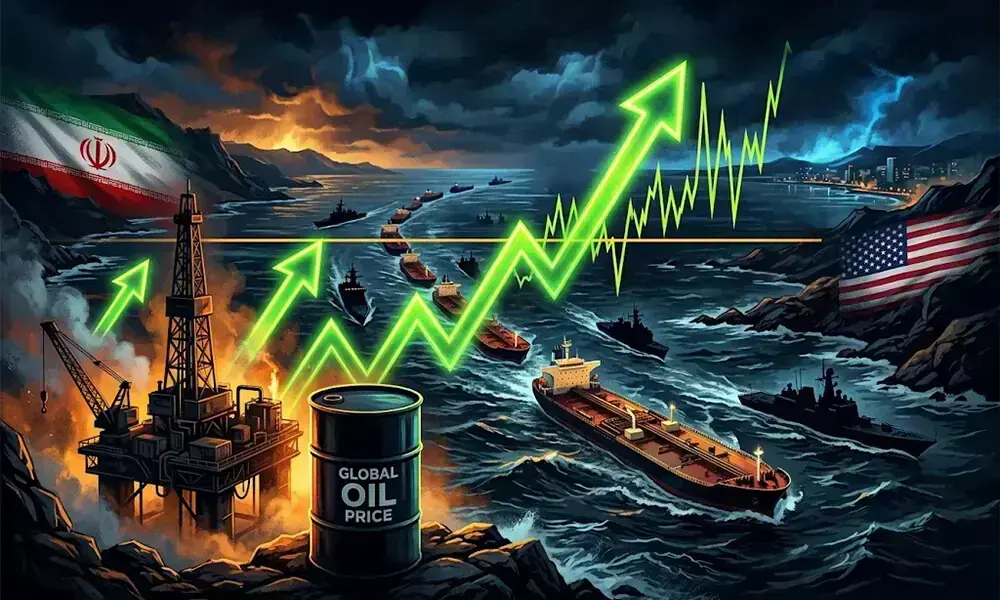

HOUSTON: Oil prices pared gains that had lifted them more than 5% on Monday after Iran and Israel said they had halted attacks on each other following an appeal from U.S. President Donald Trump.
Tehran however said it would resume strikes if Israel continued to hit Hezbollah in Lebanon.
Brent crude futures were up $1.71, or 1.8%, at $94.85 a barrel as of 11:10 a.m. ET (1510 GMT), while U.S. West Texas Intermediate crude futures were up $1.53, or 1.7%, at $92.07.
Brent has risen around 31% since the eve of the conflict just over 100 days ago, while WTI has risen around 37%. Brent in April touched a peak above $126 a barrel.
Prices gained more than 5% earlier on Monday after renewed Israeli strikes on Iran and attacks on Lebanon had reduced hopes of an imminent end to the wider war.
Israel hit a petrochemical plant in southwestern Iran that it said was used to produce ballistic missiles, and Iran’s Islamic Revolutionary Guard Corps said the country retaliated with a strike aimed at a similar Israeli facility in the city of Haifa.
The exchange followed Israeli strikes on strongholds of Iran-backed Hezbollah in Beirut over the weekend. Tehran has repeatedly said any deal with Washington to end the conflict must include a halt to Israel’s campaign in Lebanon.
“Crude futures are trading higher this morning in a nervous trade as Iran and Israel traded missile attacks over the weekend,” said Dennis Kissler, senior vice president of trading at BOK Financial.
Trump demands a halt
Trump on Monday demanded that Israel and Iran “immediately stop ‘shooting’”.
Because of the strikes, investors were concerned that flows through the Strait of Hormuz might remain restricted for longer, UBS analyst Giovanni Staunovo said.
Roughly a fifth of the world’s daily supply of oil and liquefied natural gas passed through the Strait of Hormuz off Iran before U.S.-Israeli airstrikes at the end of February unleashed the latest escalation of the Middle Eastern conflict.
On Monday, Iran’s ambassador to Moscow was quoted as saying that the Strait would be open but under conditions to be set by Iran and Oman, including a transit fee.
“For markets, the best near-term outcome remains a ‘skinny’ deal that decouples Strait disruption and active strikes from the underlying sources of disagreement, buying time without resolving them,” said Erik Meyersson with SEB Research.
Meanwhile, Yemen’s Iran-aligned Houthis said on Monday they would ban ships linked to Israel from the Red Sea after Israel renewed its military attacks on Iran, adding to concerns about global shipping and energy flows.
OPEC+ agrees output target increase
In the face of the supply crisis, OPEC+ on Sunday agreed its fourth oil output target increase in four months.
Analysts said the decision would have little impact since most members of OPEC+, which groups the Organization of the Petroleum Exporting Countries and allies including Russia, cannot meet their targets.
That, they said, was because of the closure of the Strait or, in the case of Russia, Ukrainian drone attacks that have eroded its production capacity.
“In the current market, the physical impact of such a decision would be close to zero,” Jorge Leon, Rystad Energy’s head of geopolitical analysis, said in a note to clients.
Saudi Arabia has cut its official selling prices for crude oil to Asia in July for a second month.





















Comments