


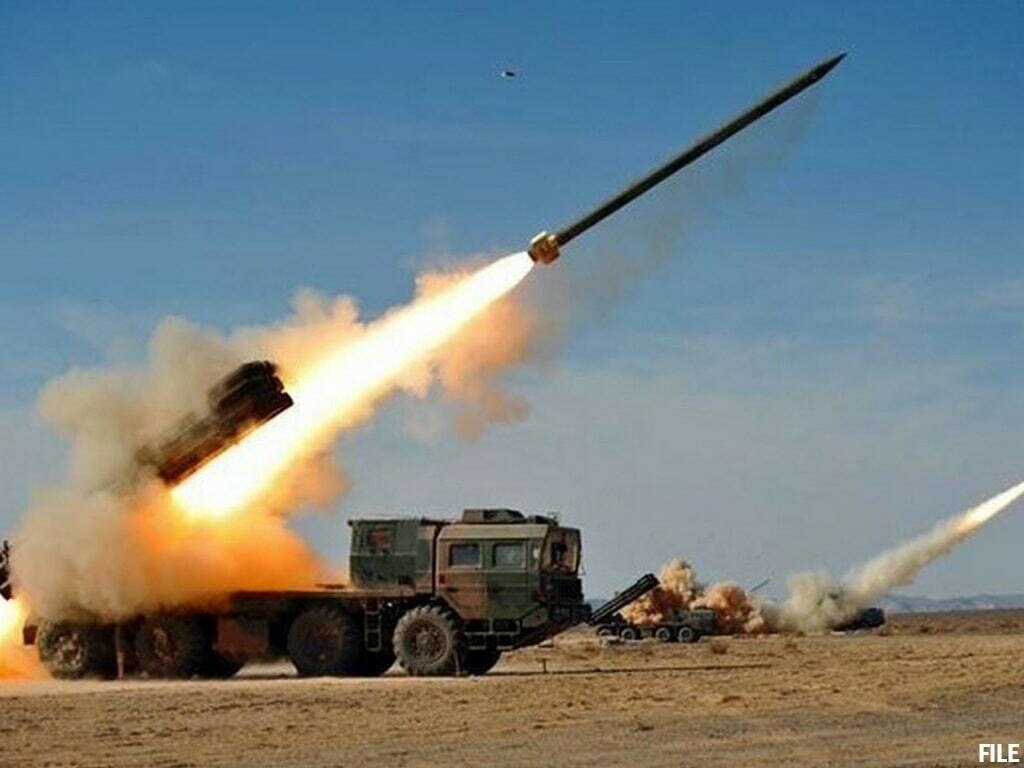

This is apropos a letter to the Editor carried by the newspaper on Monday. In this writer’s view, the gravest development, however, is the recent missile misfires that have turned India’s own weapons on its people.
At least two ballistic missiles, reportedly launched during retaliatory salvos aimed at Pakistani positions, veered off course and exploded within Indian territory.
In the immediate aftermath, chaos erupted across Indian-controlled Kashmir and East Punjab, with local hospitals overwhelmed by casualties. Indian media, in a desperate attempt to save face, labeled these attacks as Pakistani provocations—but those claims quickly unraveled.
Pakistan, for its part, categorically denied launching any such strikes and emphasized that its military doctrine does not target civilian populations, especially in areas where it shares deep religious and political sympathies, such as among Kashmiri Muslims and Khalistani Sikhs.
More importantly, Pakistani intelligence intercepted and traced the origin of the misfires back to Indian launch sites—corroborated by eyewitness accounts, trajectory tracking, and analysis by third-party observers. This is not the first time India has humiliated itself through missile mishandling.
In 2022, an Indian missile accidentally landed in Pakistan during a “routine maintenance error,” prompting a major diplomatic protest. Then too, India failed to notify its own neighbors in real-time—highlighting a command structure fraught with negligence and poor oversight.
Now, with multiple self-inflicted missile strikes during an active war, the stakes are no longer regional—they’re global.
India’s nuclear capability places it in a high-stakes category where even a minor miscalculation can trigger regional or global catastrophe. Its inability to ensure missile accuracy and its failure to maintain control over its ballistic arsenal demands urgent international scrutiny.
Global watchdogs, including the United Nations Security Council, should urgently convene to impose technical and procedural safeguards on India’s missile testing and deployment systems.
Countries like the United States, Russia, and China—regardless of their rivalries—must agree on inspection protocols for South Asia’s missile networks, particularly India’s, to prevent an unintentional nuclear escalation.
Copyright Business Recorder, 2025
The writer is a former Press Secretary to the President, An ex-Press Minister at Embassy of Pakistan to France, a former MD, SRBC Macomb, Detroit, Michigan


























Comments
Comments are closed for this article.