


The Indus Waters Treaty (IWT), signed in 1960 between India, Pakistan, and the World Bank, is considered one of the most successful and resilient international water-sharing agreements. Even during wars and border skirmishes, the Treaty has endured.
However, following the recent terrorist attack in Pahalgam, Illegally Indian Occupied Jammu and Kashmir, the Indian administration has suggested that it may suspend or reconsider its obligations under the Treaty. Such statements, however, are legally unsound, technically unfeasible, and morally indefensible.
The Treaty is explicit in its construction: under Article XII, it shall continue in force until terminated by a duly ratified treaty concluded between the two Governments. Unilateral suspension is not permitted. Furthermore, there is no national security exception or terrorism-related clause that would allow India to unilaterally withdraw. No matter how severe political tensions or security concerns are, neither side has the legal right to suspend the Treaty on its own accord. India would breach international law, the Vienna Convention on the Law of Treaties (1969), and the United Nations Charter if it acted unilaterally.
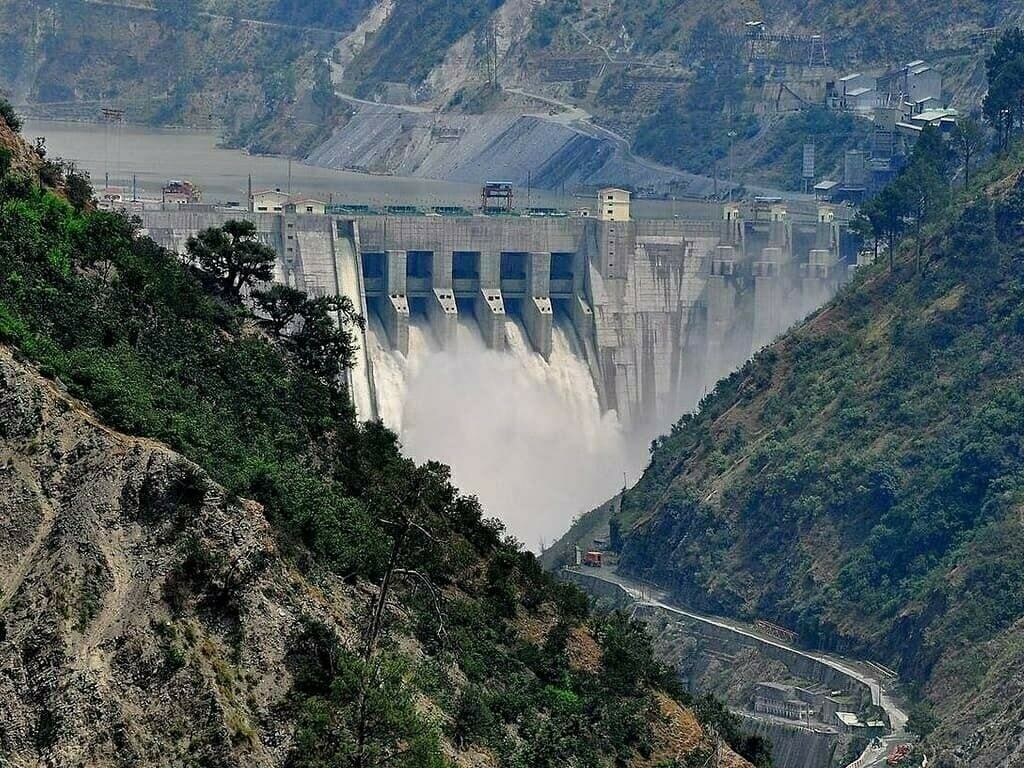
Technically, under the Treaty, Pakistan is entitled to unrestricted use of the Western Rivers, namely the Indus, Jhelum, and Chenab. India is allowed limited non-consumptive uses, including hydropower generation, but it cannot store or divert significant quantities. India’s existing infrastructure only allows it to store about 3.6 million acre-feet of water from the Western Rivers, which is negligible compared to the annual flow of approximately 135 million acre-feet. Major projects like the Baglihar Dam and Kishanganga Hydroelectric Project are run-of-the-river schemes with minimal storage capacity. Seasonal floods and heavy monsoon rains would easily overwhelm India’s limited reservoirs, causing internal flooding if the water were obstructed. Therefore, under current circumstances, India lacks both the technical infrastructure and the legal right to divert or control the flow meaningfully.
Qamar Bashir
Copyright Business Recorder, 2025




















Comments
Comments are closed for this article.