


Uniting Pakistan: bridging provincial divides for shared prosperity


Pakistan is grappling with growing interprovincial tensions amid economic challenges. The divides between provinces are widening, particularly during times of general economic distress.
Balochistan’s longstanding sense of alienation persists, Khyber Pakhtunkhwa (KP) requires careful attention to address its grievances, and Sindh is increasingly anxious about water scarcity due to planned canal diversions to the Cholistan region.
The government’s Green Pakistan Initiative (GPI) aims to expand agricultural land and boost productivity, a commendable goal for a country classified as water-stressed and vulnerable to climate-induced droughts and floods. However, this year’s low water availability has disrupted Sindh’s crop cycles, threatening its agricultural economy. Across Sindh, people from diverse backgrounds are protesting, fearing long-term economic hardship.
Policymakers must adopt a more inclusive approach to development. Over recent decades, Punjab has received a disproportionate share of resources, widening the infrastructure and development gap with other provinces. Addressing this imbalance, particularly in Sindh, is critical.
Sindh is a resource-rich province, contributing significantly to Pakistan’s energy sector. It produces the largest share of natural gas, hosts the Thar coal reserves driving increased power generation, and boasts a strong wind corridor with untapped renewable energy potential. Leveraging these strengths could transform Sindh into an economic powerhouse.
However, ongoing protests in Sindh have disrupted highways, stalling the movement of goods. This has led to losses for exporters and manufacturers, as raw materials fail to reach factories and finished products are delayed at ports. The Prime Minister’s decision to pause the canal project until a consensus is reached is a positive step. Moving forward, a consultative approach that listens to the concerns of smaller provinces is essential for national unity. Punjab and Sindh, deeply interdependent, rely on each other—Punjab as a landlocked province depends on Sindh’s ports for its supply chain.
To ensure fairness, Sindh should have a meaningful role in the green revolution. The GPI includes barren land in Sindh, and the federal government could prioritize deploying modern farming techniques there while ensuring adequate water availability. Simultaneously, improving law and order and governance in Sindh would foster economic growth and strengthen social ties with the rest of Pakistan. Likewise, KP’s concerns regarding the mineral bill deserve attention, with provincial stakeholders engaged in decisions about mining and mineral development.
Economic vibrancy depends on inclusive development from Khyber to Karachi. While Punjab benefits from robust road infrastructure and new motorway projects, connectivity from upcountry to Karachi lags behind. Prioritizing these routes could yield significant economic gains and improve livelihoods in Sindh.
Pakistan stands at a critical juncture, with its economy struggling to overcome low growth and unemployment. According to the World Bank, 10 million people face acute food insecurity in 2025, and 2 million more have fallen into poverty this year, with low labour engagement exacerbating the crisis. Poverty rates are starkly higher in smaller provinces: 70 percent in Balochistan, 48 percent in KP, 45 percent in Sindh, and 30 percent in Punjab, according to a PIDE study. These disparities underscore the urgent need for equitable development in provinces with higher poverty rates. Without it, frustration and alienation may deepen, further undermining cohesion and deterring investment.
By fostering dialogue, prioritizing equitable resource allocation, and investing in underdeveloped regions, Pakistan can build a stronger, more united future. The path forward lies in collaboration and inclusivity, ensuring every province has a stake in the nation’s progress.
Copyright Business Recorder, 2025
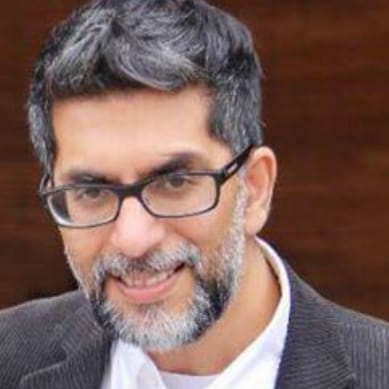
Ali Khizar is the Director of Research at Business Recorder. His Twitter handle is @AliKhizar




















Comments
Comments are closed for this article.