


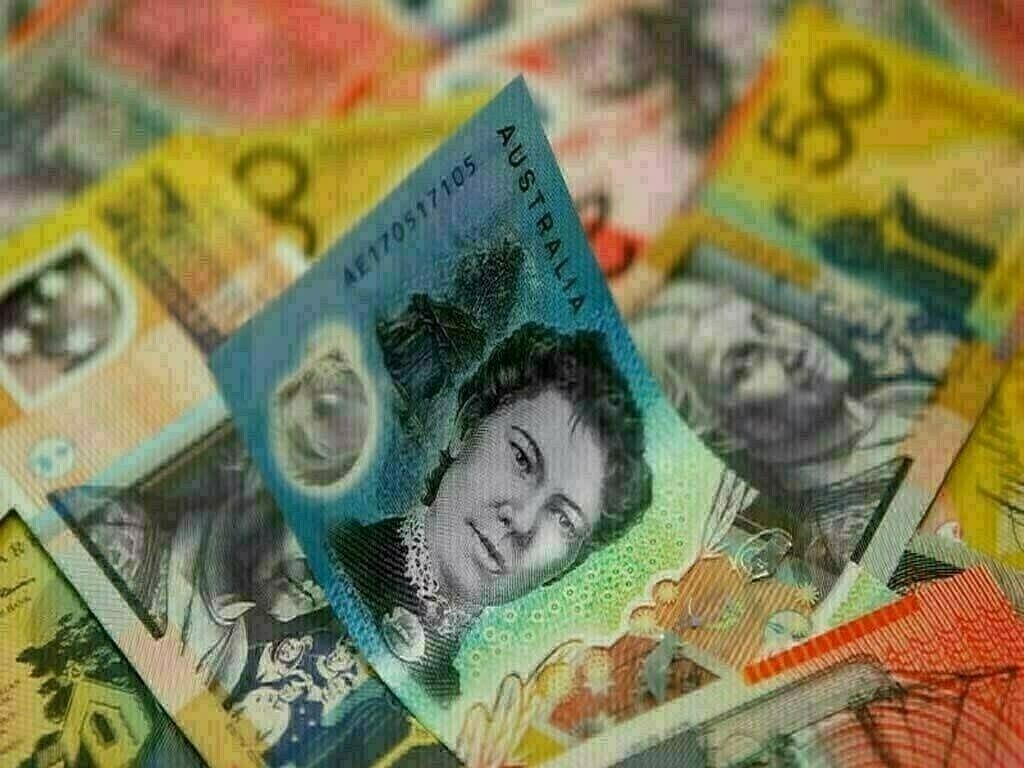

SYDNEY: The Australian and New Zealand dollars were looking to end a wild week with sizable gains on a crumbling US dollar as the damage done to investor confidence by the chaos over tariffs sparked an exodus from US assets.
The gains for the Aussie were all the more startling as it is usually the market’s whipping boy during times of volatility and stress.
Yet this time it was the US dollar being dumped.
“There has been a pronounced ‘sell US’ vibe flowing through broad markets, with the USD losing the safe-haven bid put in over the past week,” said Chris Weston, head of research at broker Pepperstone.
“The moves having the feel of repatriation flows by foreign entities, with many re-focused on the idea that Trump’s reluctant pause on tariffs was due to increased system risk and migrating capital,” Weston said.
President Donald Trump eased back on tariffs for most countries except China on Wednesday in part to stem a sell-off in Treasuries, yet bond yields were rising again on Friday.
Yields on US 30-year bonds were heading for their largest weekly increase since 1982.
Indeed, US 10-year yields started the week 19 basis points below those in Australia, but have now swung to paying 10 basis points more and still the US dollar fell.
The Aussie was last at $0.6219, having rallied from a five-year trough of $0.5910 early in the week.
That left it with a gain of 3.1% for the week, the largest since late 2022.
The kiwi dollar was up at $0.5775, which if held would give it a weekly rise of 3.2%.
That was a marked turnaround from a five-year low of $0.5483 hit early in the week, and came despite a cut in local interest rates.
Neither currency fared as well against the major safe havens, however, losing ground to the yen, euro and Swiss franc.
Australia, NZ dollars try to find footing amid US trade war tremors
This in part reflected the darkening outlook for global growth and resource demand, particularly from China after the White House clarified its tariff on the Asian giant was 145%, and not 125% as first stated.
China is Australia’s biggest export market and a major buyer of commodities globally. That is one reason markets are fully priced for the Reserve Bank of Australia (RBA) to cut its 4.10% cash rate by 25 basis points when it meets on May 18, and perhaps by a half-point.
“The confidence impacts of the recent and ongoing trade policy volatility will put downward pressure on global activity and investment in the near term, regardless of the outcomes,” said Adam Boyton, head of Australian economics at ANZ.


























Comments
Comments are closed for this article.