


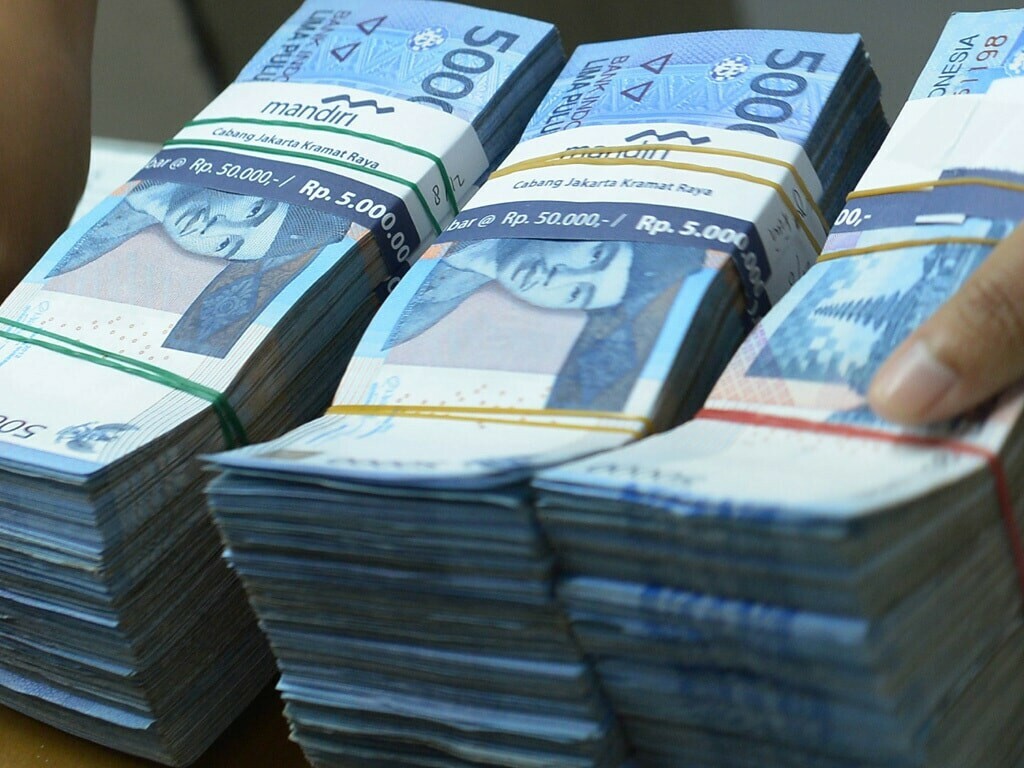

BENGALURU: Indonesian shares rose on Monday as the nation saw its first deflation in about 25 years in February, while most currencies in emerging Asian markets were subdued as US tariffs on Canada and Mexico are set to take effect.
The Indonesian benchmark index rose as much as 3.9% after losing 7.8% last week, while the rupiah advanced about 0.6% to 16,484 against the dollar.
The consumer price index in Southeast Asia’s largest economy fell 0.09% in February from a year earlier, the first annual measure of deflation since March 2000, official data showed, after the government’s substantial discount on electricity bills to support economic growth.
The rupiah has been this year’s worst performer, down about 2.7% so far. Bank Indonesia (BI) made a “bold” intervention in the foreign exchange market after the currency hit a five-year low on Friday.
“What has been affecting the Indonesian markets, including the rupiah … is coming from the uncertainty around the new sovereign wealth fund … and corporate governance,” MUFG Bank’s senior currency analyst Lloyd Chan said.
“We have seen global funds pulling out of Indonesian equities over the past several weeks.”
President Prabowo Subianto launched a $20-billion Danantara Indonesia fund on February 24 to help drive development and fulfil his promise of boosting economic growth to 8%.
However, some obscurity around the certainty of the funds and investment mandates have left investors jittery.
Other emerging Asian currencies rose slightly, as markets braced for US President Donald Trump’s tariffs on Mexico and Canada set to take effect from Tuesday.
The Philippine peso and the Singapore dollar were up 0.1%, each, while the Indian rupee gained 0.2%.




















Comments
Comments are closed for this article.