


Punjab ban on wheat movement distorted free-market, fuelled inter-provincial smuggling: PFMA
- Punjab govt has continued to restrict movement of wheat outside province for second consecutive year
Punjab's ban on inter-provincial wheat movement is driving up flour prices and causing food insecurity, particularly in Khyber Pakhtunkhwa, despite the province's surplus production.
- Punjab's ban on inter-provincial wheat movement.
- Rising flour prices and food insecurity in other provinces.
- Illegal wheat trade and bribes at checkposts.
- Threat of flour shortages in Sindh.
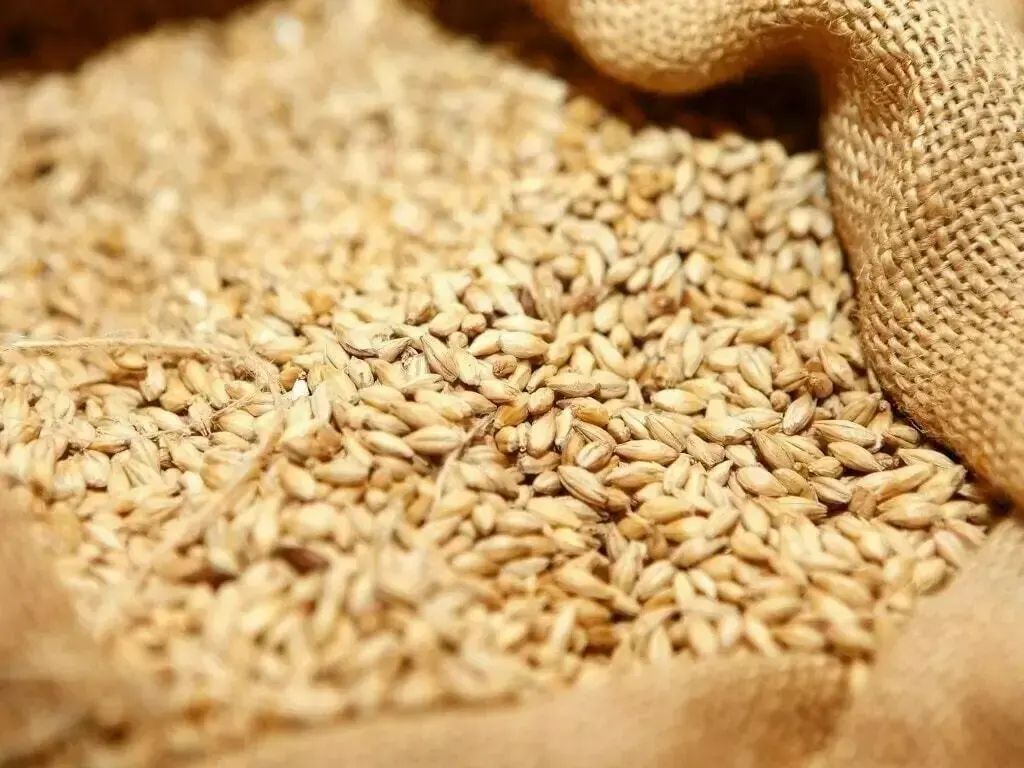

The Pakistan Flour Mills Association (PFMA) said on Wednesday Punjab government’s ban on movement of wheat to other provinces had increased flour prices in parts of the country, particularly in Khyber Pakhtunkhwa (KP).
Punjab government has continued to restrict the movement of wheat outside the province for the second consecutive year despite producing a surplus of wheat and accounting for around 70% of Pakistan’s total wheat output.
The association said the ban had fuelled the illegal movement of wheat from Punjab to other provinces, ensuring supplies continued but at higher prices due to bribes allegedly paid at check posts.
“The ban is illegal. The ban has caused food insecurity in the country. The restriction is against the [federal] government commitment with the IMF to make wheat a free market commodity in Pakistan,” PFMA central chairman Badar ud Din Kakar said at a press conference in Karachi Press Club (KPC) on Wednesday.
PFMA further said Sindh government had launched a crackdown against hoarders of wheat and flour in the province.
The situation has disrupted wheat supplies to flour mills in Sindh, as per the association.
“The wheat loading to mills has completely stopped. There will be no flour available in Karachi and parts of upper Sindh within 10 days if supply of wheat does not resume to flour mills over the next couple of days. We are going to meet concerned authorities in the province to discuss and resolve the situation,” PFMA former central chairman Chaudhry Muhammad Yousuf said.
“This is a demand-and-supply-driven wheat and flour crisis,” Kakar said, adding Punjab produces 22 million tonnes annually of the grain against its own annual requirement of 15 million tonnes.
“This means it produces 7 million tonnes of wheat in surplus at the provincial level. Despite this, the province has continued to restrict the inter-provincial movement of the grain for the last two consecutive years to date.”
He demanded that Prime Minister Shahbaz Sharif intervene and ensure free movement of wheat nationwide.
“Food security should not remain limited to Punjab alone, but this is a nationwide subject. Food security should be ensured at the national level, across the country,” Kakar said.
KP’s annual requirement for wheat stands at 5.5 million tonnes against its local production at 1.5 million tonnes. It overcomes shortfall of around 4 million tonnes by buying the commodity from Punjab, according to Kakar.
“The supply of wheat to KP from Punjab has not reduced. However, the required supply is ensured through inter-provincial smuggling. The supply to KP is ensured after paying heavy bribe on check posts. This has caused a hike in flour price in KP and contributing to inflation nationwide. People are bearing the cost of the ban on wheat movement from Punjab to other provinces,” he said.
Kakar said flour (No.2.5) was available at Rs11,500-11,800 per 100kg bag in Punjab. The same was priced at Rs13,000 per bag in KP and at Rs12,500 per bag in Sindh and Balochistan provinces, he added.
PFMA KP zone chairman Muhammad Naeem Butt claimed they had to pay bribes at Rs300,000 to 400,000 per truck of wheat over check posts created in Punjab, spiking their cost of production and making people buy the expensive commodity.
‘Ban’ on wheat movement: KP flour millers warn of protests
KP millers see a crisis as wheat supply from Punjab suspended
KP millers threaten to launch protest against ban on wheat supply from Punjab
Punjab releasing 20,000MT of subsidised wheat to flour mills per day
PFMA urges Punjab CM to order assessment of wheat flour prices
Punjab begins release of wheat from stocks at the rate of Rs3,800/40kg
Millers seek immediate wheat stocks release

















Comments