


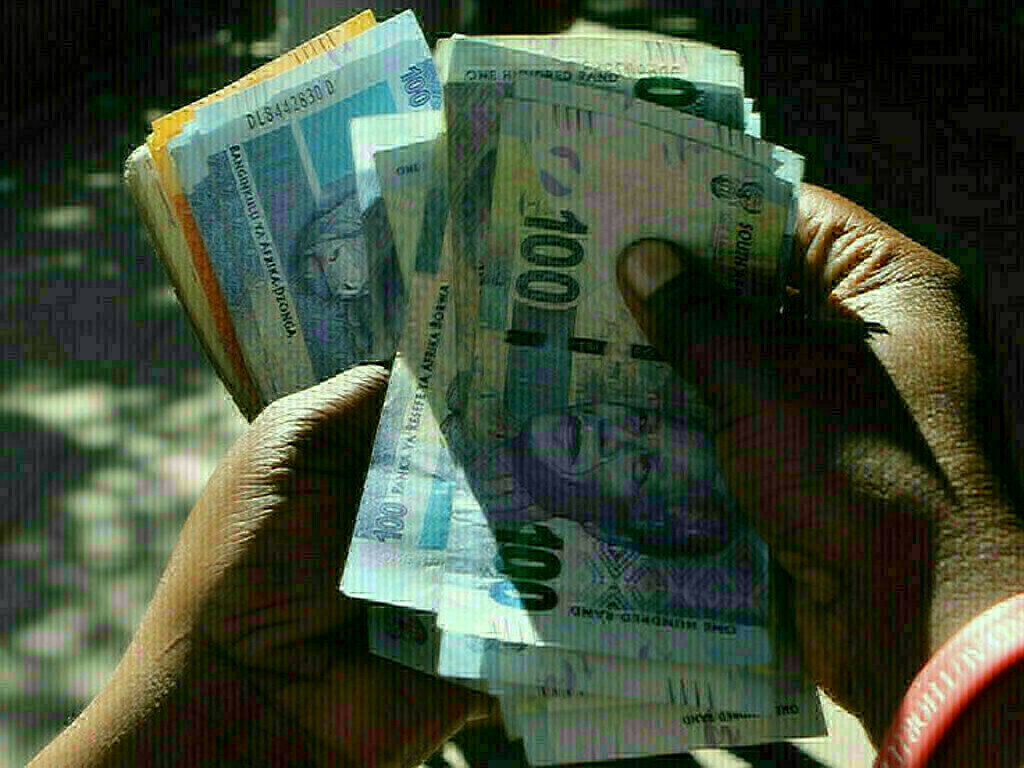

JOHANNESBURG: South Africa’s rand weakened on Thursday after U.S. President Donald Trump said his proposed tariffs on Mexican and Canadian goods will go into effect next week.
At 1429 GMT, the rand traded at 18.4775 against the U.S. dollar, about 0.2% weaker than its previous close. The dollar last traded about 0.6% stronger against a basket of currencies.
Wichard Cilliers, head of market risk and TreasuryONE, said Trump’s comments rallied the greenback.
Trump said his proposed 25% tariffs on Mexican and Canadian goods will go into effect on March 4 as scheduled because drugs are still pouring into the U.S. from these neighbours.
Trump also said he would impose an additional 10% duty on Chinese goods on that day, on top of the 10% tariff that he levied on February 4 on imports from China.
Markets will also look for direction from a personal consumption expenditures reading, the Federal Reserve’s preferred measure of inflation, on Friday for clues on the U.S. central bank’s future interest rate path.
Like other risk-sensitive currencies, the rand often takes direction from global drivers in addition to domestic factors.
South Africa’s producer inflation was at 1.1% year on year in January from 0.7% in December, statistics agency data showed on Thursday.
On the Johannesburg Stock Exchange, the blue-chip Top-40 index last traded about 1.2% lower.
South Africa’s benchmark 2030 government bond was weaker, with the yield up 5.5 basis points to 9.08%.




















Comments
Comments are closed for this article.