


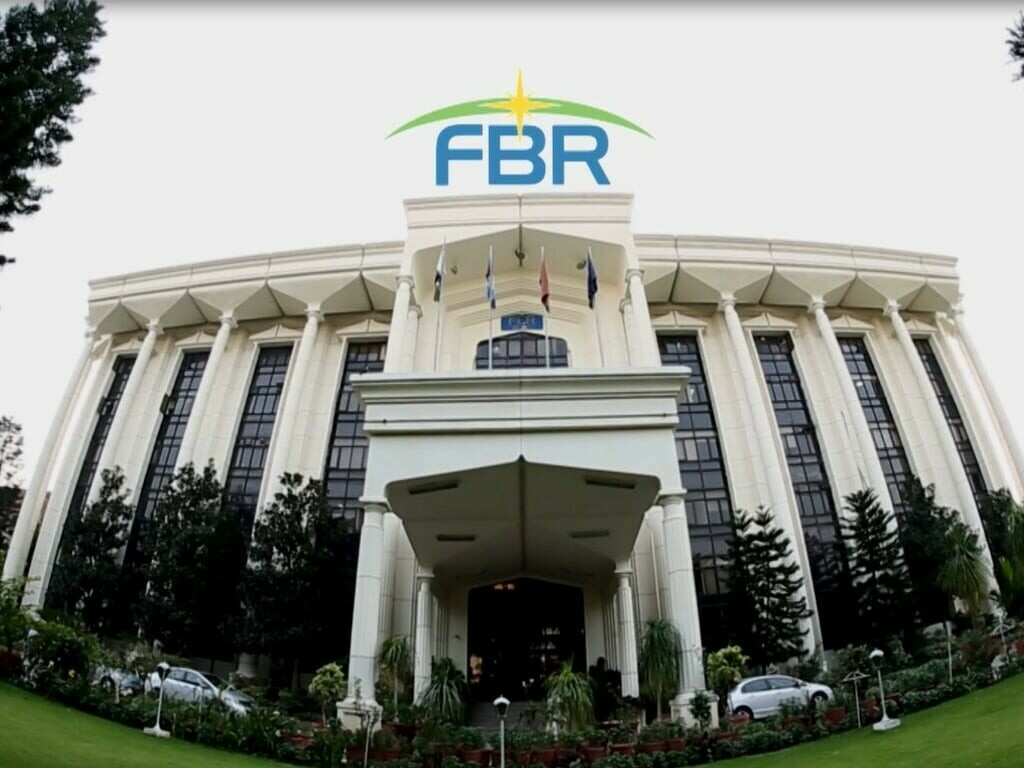

ISLAMABAD: The Federal Board of Revenue (FBR) has refused to disclose information related to orders passed by the Alternative Dispute Resolution Committees (ADRC) raises serious questions about transparency and accountability in tax machinery.
It is reliably learnt that instant order has been passed by the FBR on the basis of directions issued by Lahore High Court to provide orders passed by the FBR on the recommendations of the ADRCs to the applicant Advocate Waheed Shahzad Butt through the process provided under Right of Access to Information Act, 2017.
Earlier, the Federal Tax Ombudsman passed a landmark order to provide “orders” passed by the FBR on the recommendations of the (ADRCs) to the said advocate.
This is first of its kind of order issued by the FTO with direction to the FBR to provide “orders” passed by the FBR on the recommendations of the ADRCs, under Freedom of Information Ordinance, 2002 (FIO) as guaranteed by Article 19-A of the Constitution, which has not been implemented by the FBR but challenged before High Court.
Tax disputes with the Board: FBR instructs SOEs to pursue resolution through ADRCs
The FTO has ruled out that it is a fundamental right of every citizen to seek information which would enable him to evaluate the ADRC’s operational effectiveness as an alternative dispute resolution forum.
Citing Section 216 of the Income Tax Ordinance 2001, the FBR claims that the information is “secret and confidential” and therefore cannot be shared. This section bars the disclosure of information provided by taxpayers. Interestingly, the FBR has also invoked the exclusion clause of the Right of Access to Information Act 2017, which allows certain information to be withheld from the public. The refusal to provide information has sparked concerns among tax experts and lawyers, who argue that the ADRC orders have a significant impact on taxpayers and the economy as a whole, Waheed Butt added.
“The FBR’s decision to keep ADRC orders secret has also raised questions about the accountability and transparency of the tax authority. This lack of transparency undermines the principles of good governance and the rule of law,” said a tax expert. The FBR’s refusal to provide information has been criticized by many, who argue that it is essential for promoting transparency and accountability in the tax system.
Access to information is a sine qua non of constitutional democracy. The public has a right to know how public functionaries do their job. The responsibility of public functionaries to disclose what they do and how they do works against both corruption and highhandedness, Waheed Shahzad Butt added.
Copyright Business Recorder, 2025

























Comments
Comments are closed for this article.